BRICS countries, namely Brazil, Russia, India, China and South Africa (known as bloc), have been working closely together for more than a decade in areas as politics, economics, culture and security.
Focusing on the sinking of the Sewol, a commercial ferry which capsized off the South Korean coast in April 2014, this book considers key issues of disaster, governance, civil society and the ideational transformation of human agents and their empowerment.
Emerging from the ethnic tensions that tore the Solomon Islands apart from 1998 to 2003, the country's Ministry of Infrastructure Development faced a number of serious challenges.
The annual Asian Development Outlook analyzes economic performance in the past year and offers forecasts for the next 2 years for the 45 economies in Asia and the Pacific that make up developing Asia.
This book presents the findings of research conducted by scholars and activists associated with the Agrarian South Network, based mainly in Africa, Asia and Latina America.
The Central Asia Regional Economic Cooperation (CAREC) Program, now 16 years in operation, has recorded impressive achievements in regional economic cooperation, particularly in the areas of transport, energy, trade facilitation, and trade policy.
Based on long-term research, this book comprehensively and systematically discusses the industrialization process in China, analyzing the level, characteristics, achievements and experiences as well as the problems faced.
Turkish Economy at the Crossroads: Facing the Challenges Ahead is an exciting new volume of articles from prominent experts, edited by two distinguished economists.
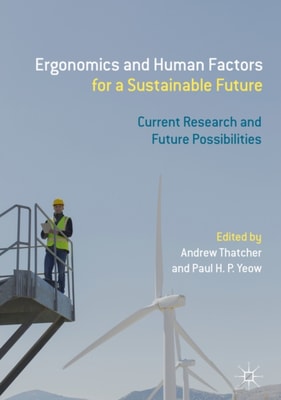
This book focuses on different sustainable products and services, such as electrical vehicles, green buildings, and biophilic and biomimetic systems, at multiple hierarchical levels within its chapters.
This publication captures the presentations and discussions of experts and policy makers during the Experts' Roundtable Meeting on Assessing Fragility for a Differentiated Approach in Dealing with Fragile and Conflict-Affected Situations, held on 15-16 June 2015 in Bangkok.
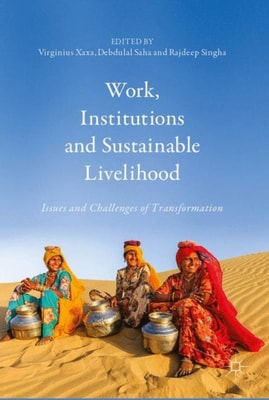
The book explores the debates surrounding sustainable livelihood in the neoliberal era effected through transformation of the nature of work and the role of institutions, particularly in the Global South.
The Key Indicators for Asia and the Pacific 2017, the 48th edition of this series, includes the latest available economic, financial, social, and environmental indicators for the 48 regional members of the Asian Development Bank.
The establishment of a Trade and Transport Facilitation Monitoring Mechanism (TTFMM) is important because it allows a country to take stock, identify bottlenecks, and prioritize recommendations for the implementation of trade facilitation measures.
First, the book documents the evolution of Asia's infrastructure over the past half-century and reviews existing literature on the role of infrastructure investment in supporting growth and social development.
The Asian Development Bank (ADB), in collaboration with the United Nations Environment Programme (UN Environment), prepared this tool compendium to help address the issues, challenges, and barriers faced by developing countries from Asia and the Pacific in the successful implementation of the environmental dimensions of the Sustainable Development Goals (SDGs).
This book discusses economic development in general and selected public policy issues with a focus on philosophy, Gandhian thoughts and sectoral issues in the Indian context.
This book provides a detailed and up-to- date analysis of the current and near-future domestic economic situation in China based on the concept of "e;New Normal"e;, which was first proposed by Chinese President Xi Jinping and which is commonly used in discussions on China's current economy.
This report provides insights to investors keen to invest in the region, financial intermediaries that advise social enterprises (SEs) on capital raising, and developers of platforms seeking to connect SEs in the region with impact investors.
This book investigates the basic theoretical framework and conducts a logical analysis of China's new supply-side economics, while also providing a strategic path to remedy the plight of China's economic development.
This volume explores a wide range of case studies, analyses, histories, and polemics on the fate of post-socialist Europe- and why that matters to readers today.
The Ha Noi Action Plan 2018-2022 addresses the unfinished and expanded agenda of the Greater Mekong Subregion (GMS) Economic Cooperation Program for the remaining 5 years of the GMS Strategic Framework 2012-2022.
This book focuses on the future of China and its sustainable development, and summarizes the implications, forms, causes, countermeasures and related rules of the main costs generated during a country's period of development, so as to provide a theoretical reference and decision-making consulting tools for institutions and scientific governance and management professionals.
This is the first volume comprising a series of technical specification reference guides that the Asian Development Bank prepared regarding the design of training facility norms and standard equipment lists based on industry standards.
This publication identifies regional and subregional opportunities for Myanmar to harness natural and human resources, industrial potential, and infrastructure connectivity.
This publication commemorates the 25 years of the opening of the Nepal resident mission, and provides an overview of how ADB's operation in Nepal has evolved over the years.
This book presents an extensive study on India's agricultural and nonfarm sectors, examining prices, investments and policies, and suggesting various essential technological changes.
The Asian Development Bank (ADB) promotes the economic growth and social development of its developing member countries by means of a wide range of activities and initiatives.
The Bangladesh Public Financial Management Systems report documents the country's financial management systems covering primarily the areas of budgeting, funds flow, accounting and reporting, and auditing systems.