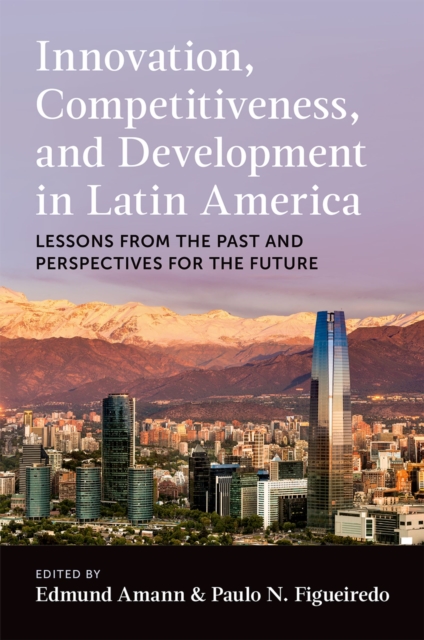
Post-war Latin American economies have failed to close the development gap with advanced industrial countries despite more than six decades of attempted reform and undoubted economic and social progress.
Sustainable Visions: An Architect's Critique of Modern MauritiusBy Rambassun (Sandeep) SewpalIn this compelling and timely collection, acclaimed Mauritian architect Rambassun Sewpal offers a bold, critical examination of an island nation at a crossroads.
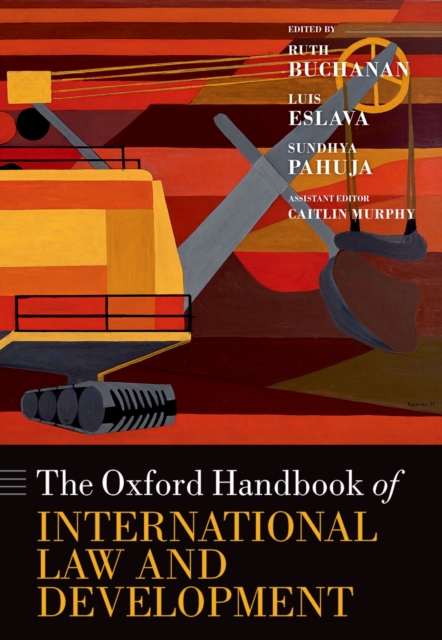
Since the mid-twentieth century, 'international law' and 'international development' have become two of the most prominent secular languages through which aspirations about a better world are articulated.
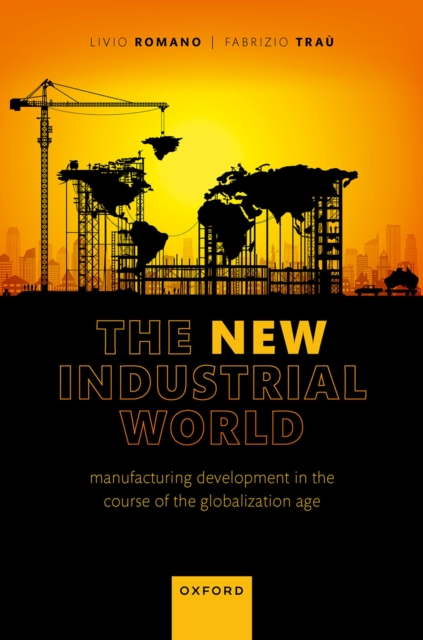
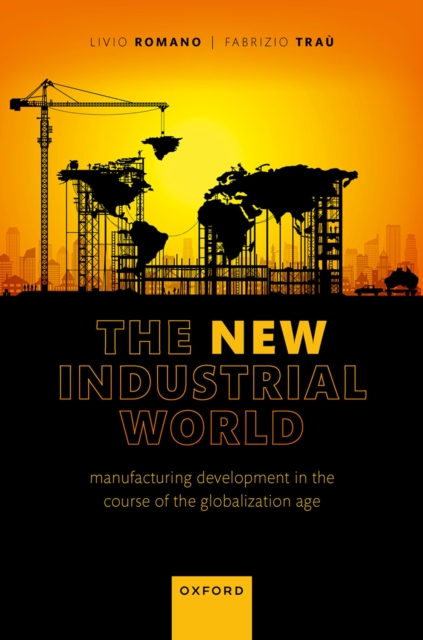
In The New Industrial World: Manufacturing Development in the Course of the Globalization Age, Romano and Trau analyse industrial development, focussing upon the spreading of manufacturing activities beyond the boundaries of the advanced economies.
In The New Industrial World: Manufacturing Development in the Course of the Globalization Age, Romano and Trau analyse industrial development, focussing upon the spreading of manufacturing activities beyond the boundaries of the advanced economies.
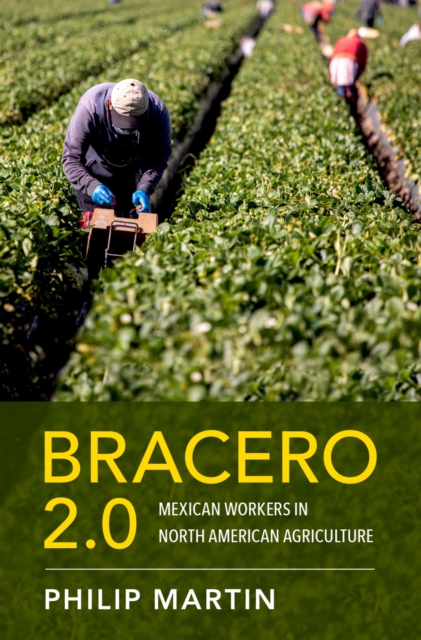
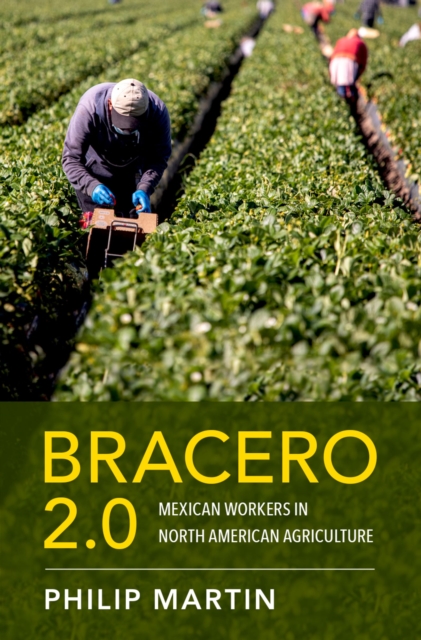
Rising consumer demand for fresh fruits and vegetables has led to the employment of five million Mexican-born workers on North American farms during a typical year.
Rising consumer demand for fresh fruits and vegetables has led to the employment of five million Mexican-born workers on North American farms during a typical year.
Home to emerging economies, a growing middle class, and the world's youngest population, Africa presents exciting opportunities for high-value products, including products bearing a geographical indication (GI).
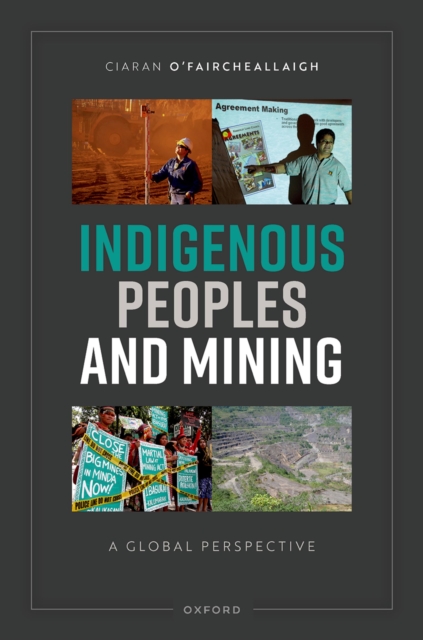
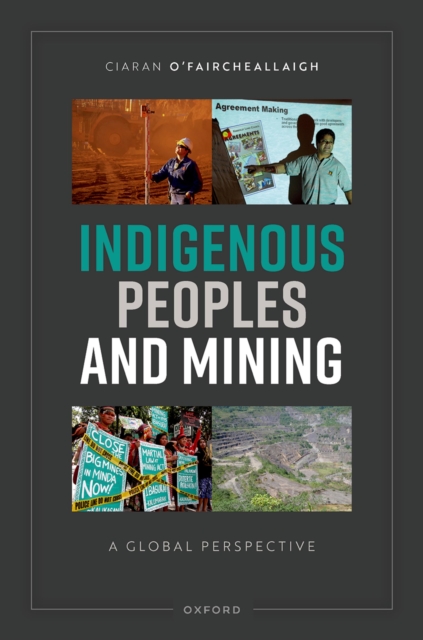
Indigenous peoples have occupied their territories for thousands of years, territories that are increasingly being mined by an industry applying the most modern extractive, marketing, and transport technologies on a scale that can be difficult to comprehend.
Indigenous peoples have occupied their territories for thousands of years, territories that are increasingly being mined by an industry applying the most modern extractive, marketing, and transport technologies on a scale that can be difficult to comprehend.
Fueled by the ongoing debate about the distributive effects of the Washington Consensus, the dynamics of poverty and inequality have returned to the center of attention of academic scholars, policymakers, and the public at large.
This book investigates the birth and early evolution of the international aid regime in the 1940s and 1950s, considering how America established a postwar economic order in which aid was balanced against the establishment of the IMF as an instrument of economic discipline.
Home to emerging economies, a growing middle class, and the world's youngest population, Africa presents exciting opportunities for high-value products, including products bearing a geographical indication (GI).
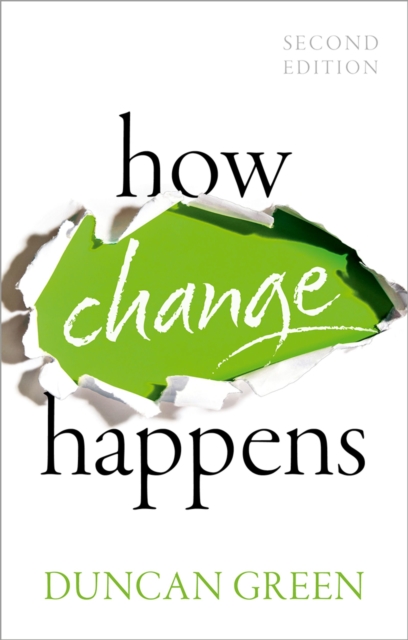
Human society is full of would-be 'change agents', a restless mix of campaigners, lobbyists and officials, both individuals and organizations, set on transforming the world.
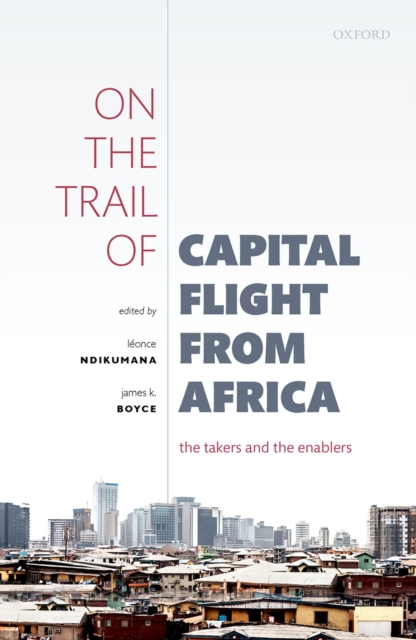
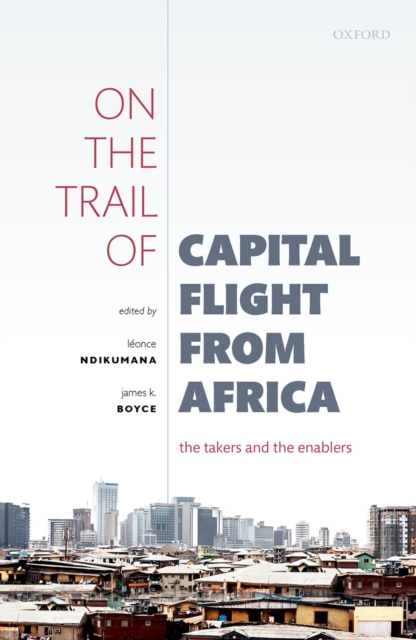
On the Trail of Capital Flight from Africa investigates the dynamics of capital flight from Angola, Cote d'Ivoire, and South Africa, countries that have witnessed large-scale illicit financial outflows in recent decades.
On the Trail of Capital Flight from Africa investigates the dynamics of capital flight from Angola, Cote d'Ivoire, and South Africa, countries that have witnessed large-scale illicit financial outflows in recent decades.
In the backdrop of the Coronavirus having wreaked havoc on nations across the world and adversely impacting economic growth of countries, the government and monetary authorities,such as the Reserve Bank of India, stepped forward with conventional as well as unconventional stimulus measures.
India is home to the world's largest hungry population and has a long way to go before it is anywhere near the mammoth task of achieving the United Nations' goal of ending hunger in 2030.
Since the mid-twentieth century, 'international law' and 'international development' have become two of the most prominent secular languages through which aspirations about a better world are articulated.
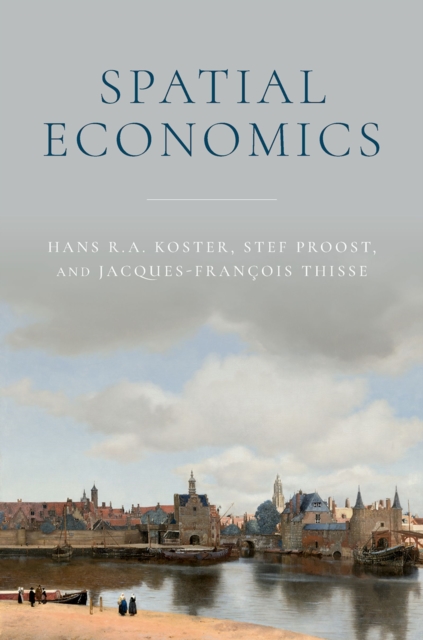
An authoritative and cutting-edge exploration of how land, transportation, and economic forces shape cities, regions, and the distribution of economic activities from a local to a global scale.