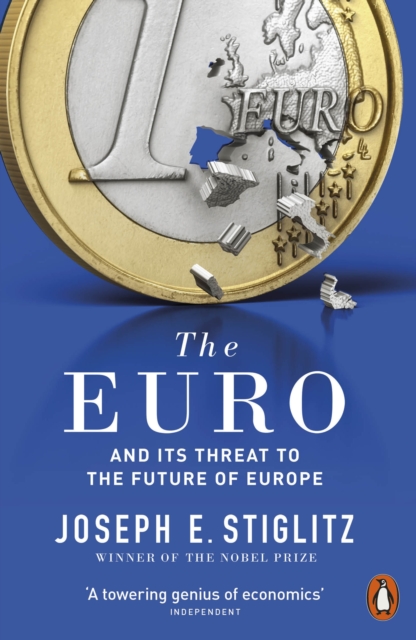
A world-renowned economist offers cogent and powerful reflections on one of the great avoidable economic catastrophes of the modern era The economic crisis in Greece is a potential international disaster and one of the most extraordinary monetary and political dramas of our time.
With new material on the astonishing 2014–15 monetary rollercoaster, an incisive chronicler of the euro’s upheavals explains how Europe’s single currency has lurched in and out of crisis—with widespread repercussions for Britain and the rest of the world.
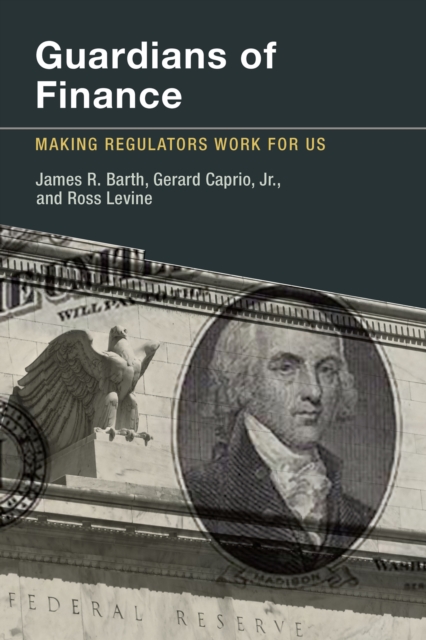
A tour de force that corrects a misconception long embraced by both the left and the right about markets and regulation Almost everyone who follows politics or economics agrees on one thing: more regulation means less freedom.
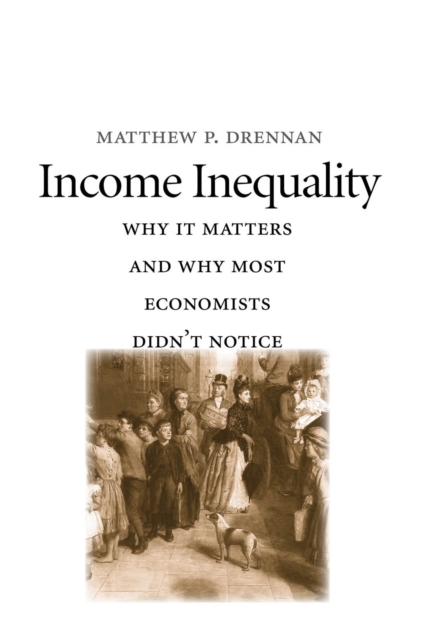
The first book-length treatment to conclusively demonstrate the link between income inequality and the 2008 financial crisis and Great Recession Prevailing economic theory attributes the 2008 crash and the Great Recession that followed to low interest rates, relaxed borrowing standards, and the housing price bubble.
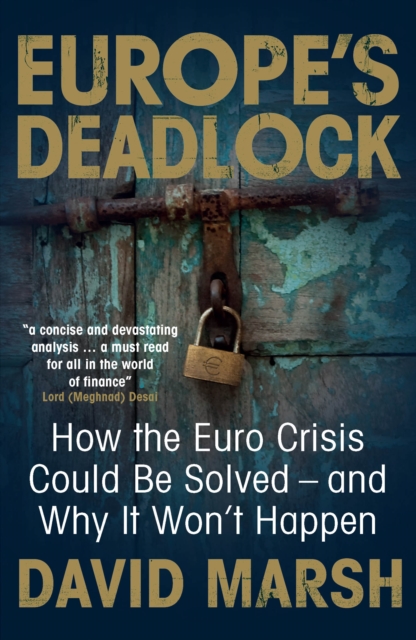
This short, fiercely argued book explains how five years of continuous crisis management not only have failed to resolve the Eurozone’s problems but have actually made things worse.
The spirited and measured memoir of Walter Bagehot, had he left one Walter Bagehot (1826–1877) was a prominent English journalist, banker, and man of letters.
The Western world has experienced extraordinary economic progress throughout the last six decades, a prosperous period so extended that continuous economic growth has come to seem normal.
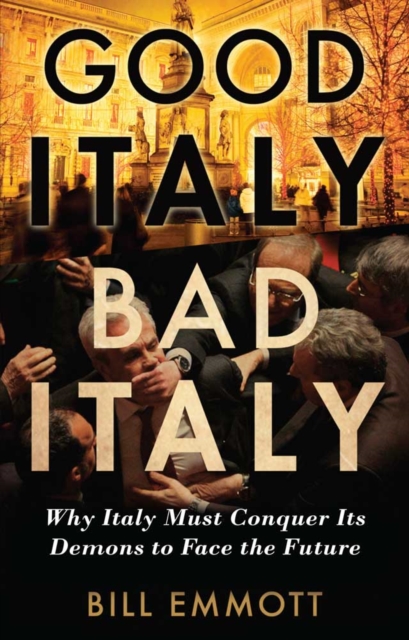
Not long ago Italy was Europe's highly touted emerging economy, a society that blended dynamism and super-fast growth with a lifestyle that was the envy of all.
A growing complacency that stability has been restored in the wake of recent economic turmoil is not just wishful thinking, it is dangerous thinking This book directly confronts uncomfortable questions that many prefer to brush aside: if economists and other scholars, politicians, and business professionals understand the causes of economic crises, as they claim, then why do such damaging crises continue to occur?
Two of the greatest financial fiascos of all time took place at the same time and were instigated by two acquaintances: the Mississippi Bubble, on which John Law at first made a vast fortune and gained sway over French finances; and the South Sea Bubble, launched by Law and Thomas Pitt, Jr.
The return of the best-selling, award-winning economist extraordinaireWith the same powerful evidence, and range of reference, as his global bestseller Capital in the Twenty-First Century - and in columns of 700 words, rather than 700 pages - Chronicles sets out Thomas Piketty's analysis of the financial crisis, what has happened since and where we should go from here.
The essential guide to Chomsky and his brilliant ideas on the global state of affairsAn extraordinary collection of Chomsky's speeches and his interviews with David Barsamian, edited by Arthur Naiman.
The era-defining international bestseller - the definitive account of the global financial crash'Has all the drama of a Hollywood movie' Daily Telegraph'The definitive account' Sunday Times, Books of the YearThey were masters of the financial universe, flying in private jets and raking in billions.
From the international bestselling author of The Post-American World 'An intelligent, learned and judicious guide for a world already in the making' The New York TimesSince the end of the Cold War, the world has been shaken to its core three times.
From Nobel Prize-winning economist and best-selling author Joseph Sitglitz, author of Globalization and Its Discontents, this is the essential, must-read guide to the future of Europe.
The financial crisis prompted many to ask how financial systems from America and Iceland to Russia and Hungary could have been so misgoverned that their near collapse plunged the entire world into recession.
Redistribution, or subsidies and regulations intended to help the poor, unemployed, and financially distressed, have changed in many ways since the onset of the recent financial crisis.
Redistribution, or subsidies and regulations intended to help the poor, unemployed, and financially distressed, have changed in many ways since the onset of the recent financial crisis.
Selected as a Financial Times Best Book of 2013Governments today in both Europe and the United States have succeeded in casting government spending as reckless wastefulness that has made the economy worse.
Selected as a Financial Times Best Book of 2013Governments today in both Europe and the United States have succeeded in casting government spending as reckless wastefulness that has made the economy worse.