After the Crisis reassesses the twin projects of structural reform and European integration in the wake of the Great Recession and the European Sovereign Debt Crisis.
After the Crisis reassesses the twin projects of structural reform and European integration in the wake of the Great Recession and the European Sovereign Debt Crisis.
This volume provides an accessible and up-to-date account of the difficulties that the Zimbabwean economy and its population experienced during the crisis which peaked in 2008.
The 2008 global financial crisis, together with the experience of de-industrialization across Western Europe over the last three decades, has focussed attention on financial regulation and industrial policy.
This book offers a comprehensive political analysis of the Euro crisis that erupted in Greece in 2010 and subsequently threatened the very survival of the Euro area.
This book revisits John Kenneth Galbraith's classic text The Affluent Society in the context of the background to, and causes of, the global economic crisis that erupted in 2008.
The global financial crisis and the Eurozone crisis have led to a profound rethink in East Asia about the international monetary system and regional monetary and financial integration.
By 2000, Ireland had achieved a remarkable macroeconomic performance: 10% economic growth annually, a budget surplus, and a very low debt to GDP ratio.
In the wake of the 2008 global financial crisis, the regulation of the world's enormous derivatives markets assumed center stage on the international public policy agenda.
In the wake of the 2008 global financial crisis, the regulation of the world's enormous derivatives markets assumed center stage on the international public policy agenda.
In the aftermath of the 2008 financial crisis, economists around the world have advanced theories to explain the persistence of high unemployment and low growth rates.
In the aftermath of the 2008 financial crisis, economists around the world have advanced theories to explain the persistence of high unemployment and low growth rates.
Conventional wisdom says that the International Monetary Fund (IMF) functions as the de facto international lender of last resort (ILLR) for the global financial system.
Conventional wisdom says that the International Monetary Fund (IMF) functions as the de facto international lender of last resort (ILLR) for the global financial system.
In The Global Financial Crisis, contributors argue that the complexity of the Global Financial Crisis challenges researchers to offer more comprehensive explanations by extending the scope and range of their traditional investigations.
Over the past thirty years, the issue of economic inequality has emerged from the backwaters of economics to claim center stage in the political discourse of America and beyond---a change prompted by a troubling fact: numerous measures of income inequality, especially in the United States in the last quarter of the twentieth century, have risen sharply in recent years.
Over the past thirty years, the issue of economic inequality has emerged from the backwaters of economics to claim center stage in the political discourse of America and beyond---a change prompted by a troubling fact: numerous measures of income inequality, especially in the United States in the last quarter of the twentieth century, have risen sharply in recent years.
Why has the Eurozone ended up with an unemployment rate more than twice that of the United States more than six years after the collapse of Lehman Brothers?
Why has the Eurozone ended up with an unemployment rate more than twice that of the United States more than six years after the collapse of Lehman Brothers?
After the financial crisis of 2007-2008, analysts continue to question the security of banking sectors in nations in Europe, Latin America, Asia, and Africa.
After the financial crisis of 2007-2008, analysts continue to question the security of banking sectors in nations in Europe, Latin America, Asia, and Africa.
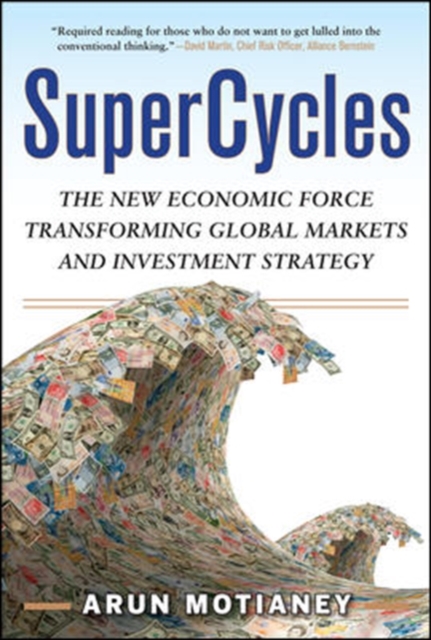
A brilliantly original assessment of what caused the global crash-and a practical plan for investing accordinglySupercycles, according to international economist and strategist, Arun Motianey, are the continuous, long waves of boom and bust that undulate through the global economic and financial systems.
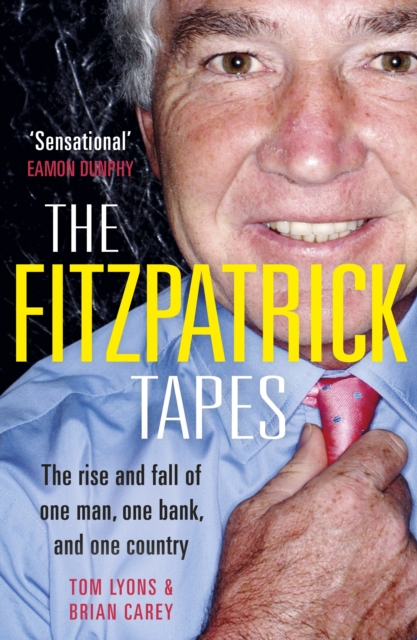
The FitzPatrick Tapes: The sensational story of the man and the bank that brought Ireland lowOne day in May 2009, Sean FitzPatrick - the disgraced former chief executive and chairman of Anglo Irish Bank - sat down to lunch in a Holiday Inn in Dublin.
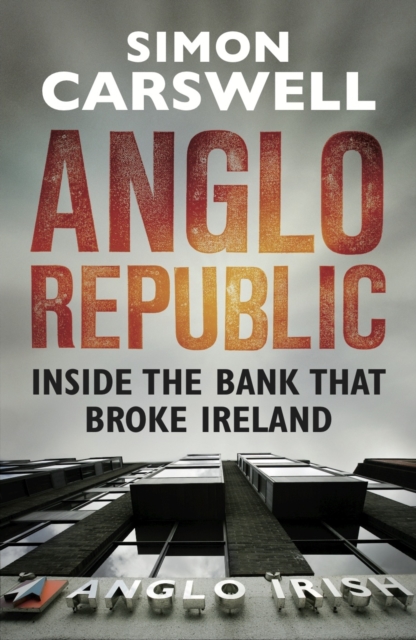
As late as 2007, Anglo Irish Bank was a darling of the markets, internationally recognized as one of the fastest growing financial institutions in the world.
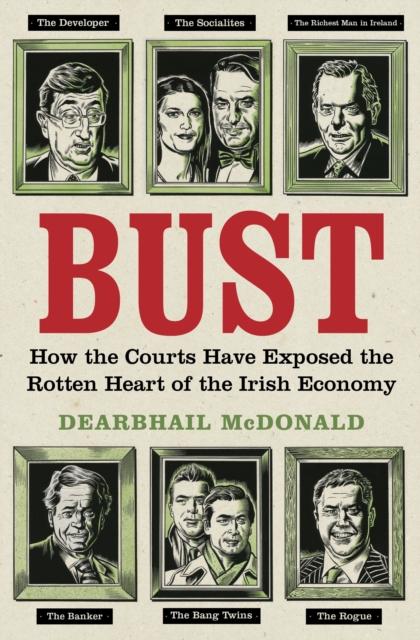
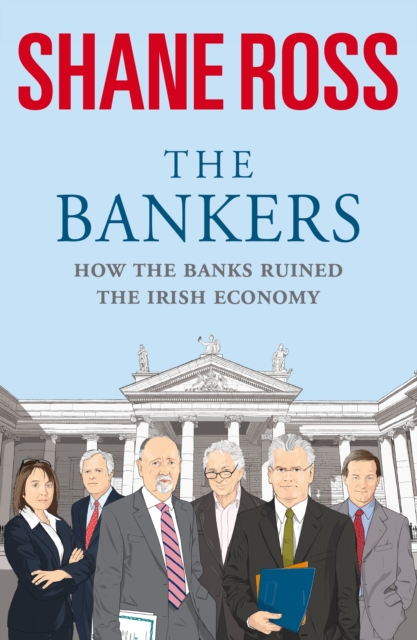
When, after fifteen years of runaway growth based largely on property speculation, the Irish economy finally crashed, Ireland's bankers and developers tried to keep themselves out of sight.
As recently as 2007, the Irish economy was still booming and the state coffers overflowing; by the end of 2008, the state faces an unprecedented crisis.