The papers in this proceedings volume were presented at the 9th international conference "e;The Economies of the Balkan and Eastern European Countries in the Changing World"e; (EBEEC) held in Athens, Greece, in April 2017.
This book explores the policy implications of the unified theory of capitalism-how economic growth has led to a new epoch, the Anthropocene, and it presents a new set of economic principles that are needed in this new age.
This book undertakes a theoretical and econometric analysis of intense economic growth in selected European countries during the end of the twentieth century and the beginning of the twenty first.
'This important new book provides a penetrating, novel analysis of the key role played by knowledge when viewed through the lens of Schumpeterian economics.
This book explores how better governance can help Africa to achieve structural transformation (understood to be the reallocation of factors of production across and within sectors to better support inclusive development), which history has shown to be key to sustained, inclusive growth.
This brief presents a detailed look at the entrepreneurial ecosystem of nations around the world by combining individual data with institutional components.
The purpose of this contributed volume is to consider how global consumption patterns will develop in the next few decades, and what the consequences of that development will be for the economy, policymakers, and society at large.
This proceedings volume presents the latest trends in innovative business development theory and practice from a global, interdisciplinary perspective.
This book describes and evaluates how institutional innovation and technological innovation have impacted on humanity from pre-historical times to modern times, and how societies have been transformed in history.
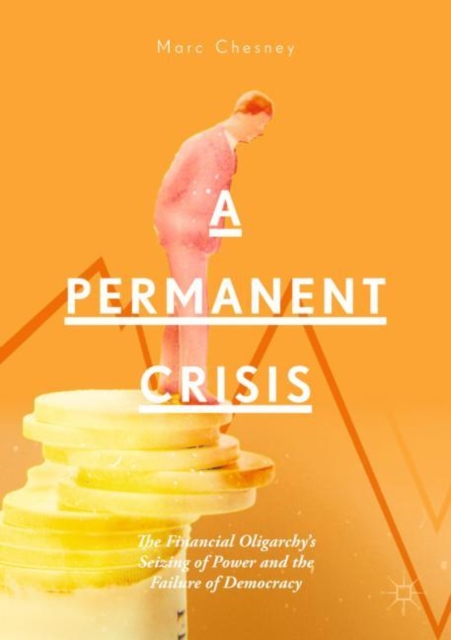
This short book describes the role big banks played in the financial crisis of 2008 while denouncing the financial oligarchy's seizing of power and the dangers it represents for democracy today.
This book addresses topics and issues of high relevance to the widely shared desire to promote inclusive growth, sustainability, and innovation within a context of global governance.
Applying the demand-led growth models framework, this book examines the recent macroeconomic performance of the key Mediterranean economies - Italy, Spain, Portugal and Greece - including the responses to the economic and financial crisis (2008), the debt crisis (2010) and the COVID-19 crisis (2020).
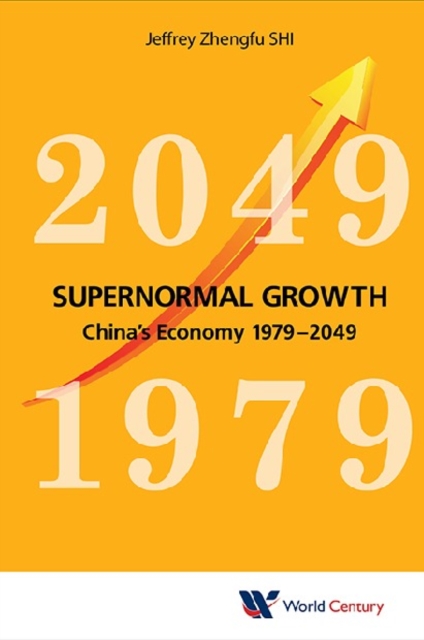
Supernormal Growth confirms the supernormal achievements of China by providing founding statistics that China, during the past 35 years, experienced a synchronous high-speed growth of investment, consumption, labor productivity with low volatility.
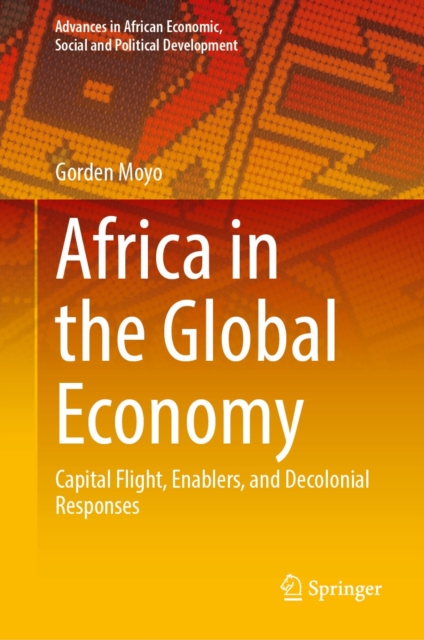
This book discusses the role played by powerful global institutions such as the IMF, the World Bank, the World Trade Organisation, multinational corporations, and the international credit rating agencies in keeping Africa marginalised in the world economy.
This book discusses the role played by powerful global institutions such as the IMF, the World Bank, the World Trade Organisation, multinational corporations, and the international credit rating agencies in keeping Africa marginalised in the world economy.
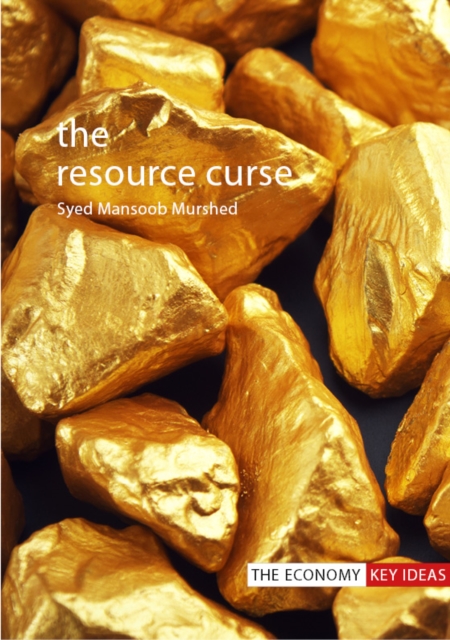
The resource curse, or paradox of plenty, refers to the long-established notion central in development economics that countries rich in natural resources, particularly minerals and fuels, perform less well economically than countries with fewer natural resources.
The difficult economic climate in Europe and the United States since the financial crisis is set to continue as the New Normal, despite frantic efforts to stimulate growth.
The difficult economic climate in Europe and the United States since the financial crisis is set to continue as the New Normal, despite frantic efforts to stimulate growth.
London has enjoyed an extraordinary period of growth in the past generation, symbolized by the towers of Canary Wharf built on the skeleton of the old docks.
London has enjoyed an extraordinary period of growth in the past generation, symbolized by the towers of Canary Wharf built on the skeleton of the old docks.
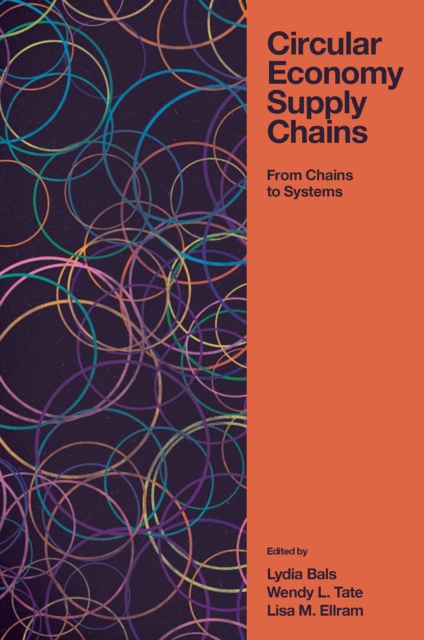
A circular economy perspective embraces a notion that we design everything to be reused for as long as possible, and then recaptured and repurposed when reuse is no longer possible.
A circular economy perspective embraces a notion that we design everything to be reused for as long as possible, and then recaptured and repurposed when reuse is no longer possible.
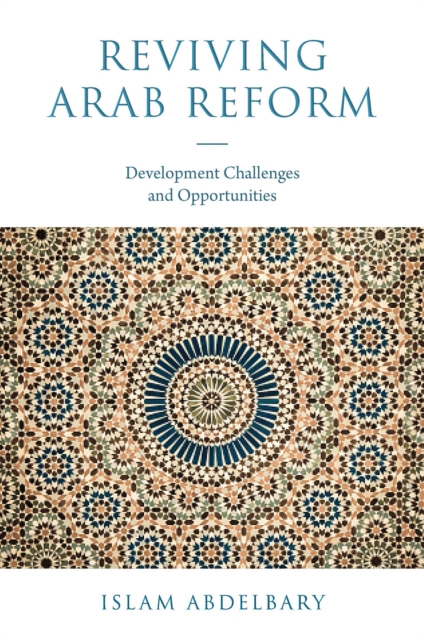
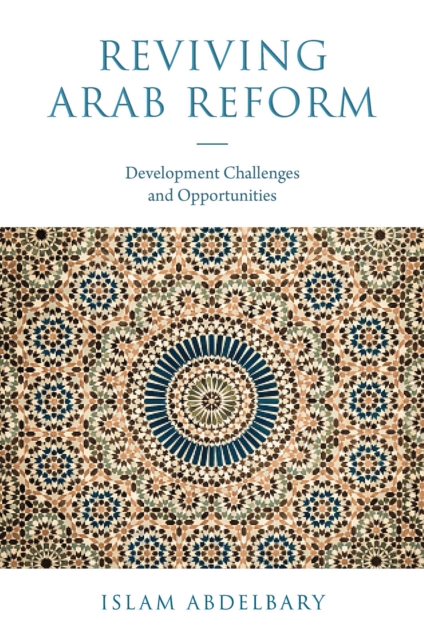
Reviving Arab Reform offers a unique consideration of the links between economic, political and social development in the Arab region and offers tangible hope for the future.
Reviving Arab Reform offers a unique consideration of the links between economic, political and social development in the Arab region and offers tangible hope for the future.
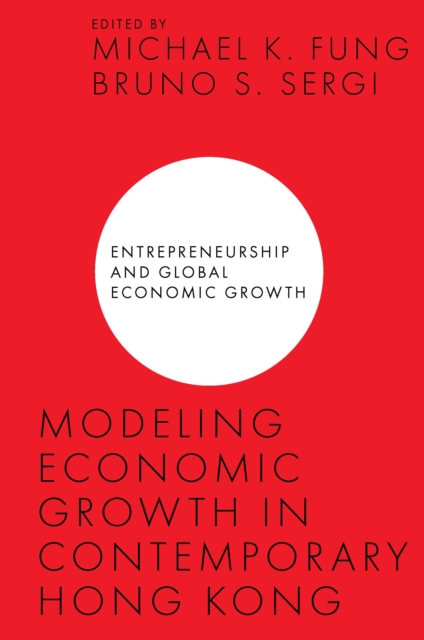
Serving up fresh insights on Hong Kong's economic growth, this book investigates issues such as housing, immigration, monetary and financial systems, the business environment, and international trade and finance to provide a coherent and comprehensive overview of Hong Kong's position in the global economy.
Serving up fresh insights on Hong Kong's economic growth, this book investigates issues such as housing, immigration, monetary and financial systems, the business environment, and international trade and finance to provide a coherent and comprehensive overview of Hong Kong's position in the global economy.
This special edition of Contemporary Studies in Economics and Financial Analysis offers a selection of carefully curated chapters from invited participants in the International Applied Social Science Congress 4-6 April 2019.
This special edition of Contemporary Studies in Economics and Financial Analysis offers a selection of carefully curated chapters from invited participants in the International Applied Social Science Congress 4-6 April 2019.