For the past two decades, trade policy has been high on the American political agenda, thanks to the growing integration of the United States into the global economy and the wealth of debate this development has sparked.
Despite the 'return of financial crises' since the end of the Bretton Woods era, a new generation of bankers hardly had any experience or any memory of a previous systemic financial crisis.
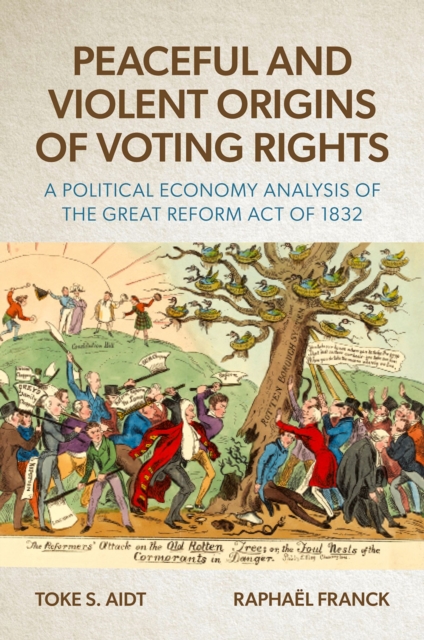
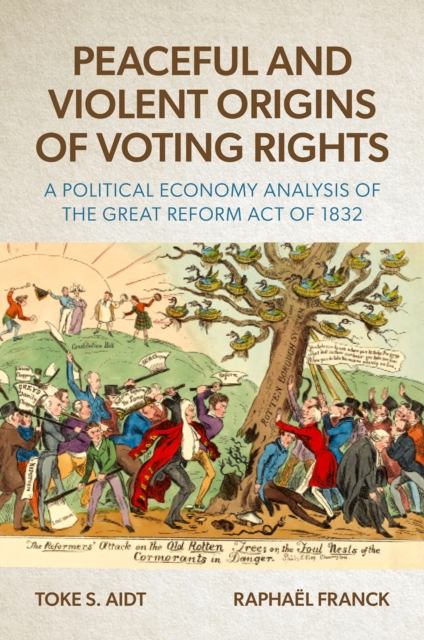
The Great Reform Act of 1832 was a pivotal moment in British political development that opened the door of democratic reform, entailing a slow and gradual journey to universal suffrage, secret ballot, and competitive elections.
The Great Reform Act of 1832 was a pivotal moment in British political development that opened the door of democratic reform, entailing a slow and gradual journey to universal suffrage, secret ballot, and competitive elections.
In Forging Nations, Blaazer studies the relationships between money, power, and nationality in England, Scotland, and Ireland from the first attempts to unify their currencies following the Union of the Crowns in 1603 to the aftermath of the Global Financial Crisis.
Papyrologists and historians have taken a lively interest in the Apion family (fifth through seventh centuries), who rose from local prominence in rural Middle Egypt to become one of the wealthiest and most powerful families in the Eastern Roman Empire.
The Making of the Modern Supermarket describes the emergence and growth of the modern supermarket format in Britain, showing how the original American innovation of self-service was adapted to the different postwar British context in a number of ways.
The Making of the Modern Supermarket describes the emergence and growth of the modern supermarket format in Britain, showing how the original American innovation of self-service was adapted to the different postwar British context in a number of ways.
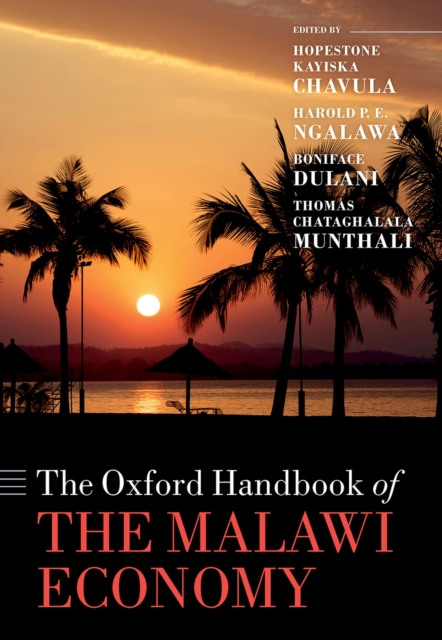
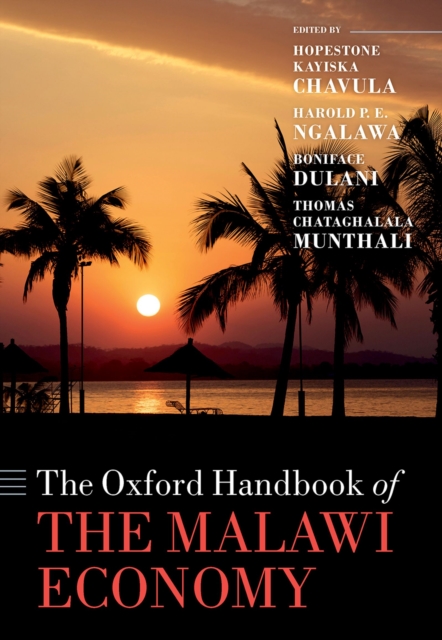
The Oxford Handbook of the Malawi Economy is an essential reference material with new research contributions and insights across the different areas of economic development to shape the country's future growth and development trajectory.
The Oxford Handbook of the Malawi Economy is an essential reference material with new research contributions and insights across the different areas of economic development to shape the country's future growth and development trajectory.
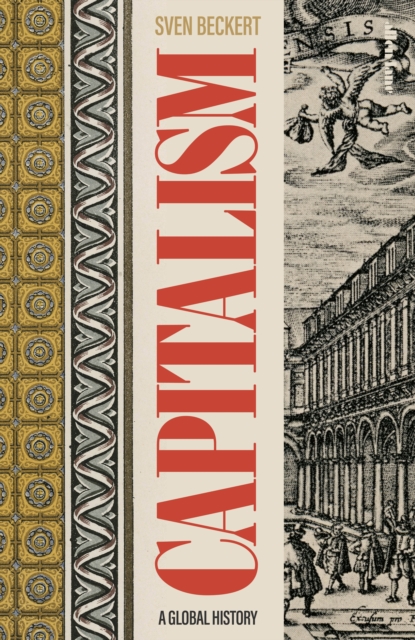
*A New York Times Notable Book * A Financial Times Best Book of the Year'A learned, formidable and vivid story Readers around the world will study and ponder this monumental work of history, agreeing and arguing with it, all the while affirming its generational importance, for decades to come' The New York Times'Epic Read this book and you will learn innumerable things you did not previously know culled from places you have never been' Financial TimesA brilliant global narrative that unravels the defining story of the past thousand years No other phenomenon has shaped human history as decisively as capitalism.
The history of the Commonwealth of Nations has been subject to limited scholarly enquiry, confined to a focus on inter-governmental relations and divorced from the lively historiographies on the economics and business of the British Empire.
The history of the Commonwealth of Nations has been subject to limited scholarly enquiry, confined to a focus on inter-governmental relations and divorced from the lively historiographies on the economics and business of the British Empire.
A bottom-up story of the fishworkers, whalers, First Nations, merchantwomen, oceans, and animals who together made a new colonial world in the early Atlantic In the early decades of the sixteenth century, mariners from across Europe forged a vast seasonal fishery along the coasts of the northwest Atlantic.
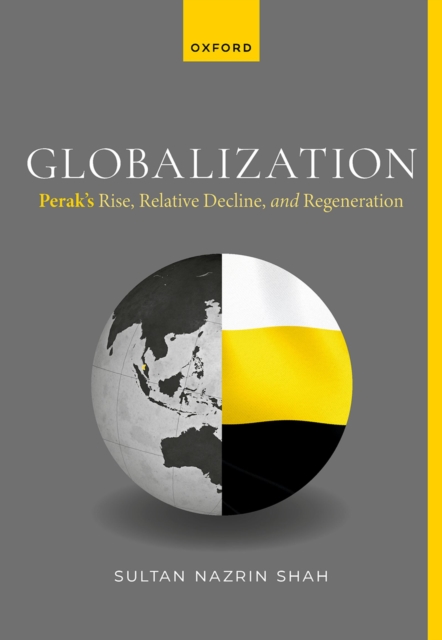
Written by Sultan Nazrin Shah - the author of the highly acclaimed works Charting the Economy and Striving for Inclusive Development - this book is a pioneering study of the many economic and social changes in the natural resource-rich Malaysian state of Perak over the last two centuries.
Papyrologists and historians have taken a lively interest in the Apion family (fifth through seventh centuries), who rose from local prominence in rural Middle Egypt to become one of the wealthiest and most powerful families in the Eastern Roman Empire.
A fascinating exploration of the relationship of competition and assimilation between the Netherlands and England during the 17th century, revealing the ways in which Dutch tolerance, resilience and commercial acumen effectively conquered Britain by reshaping its intellectual landscape, long before Dutch monarchs sat on the English throne.
The financial history of interwar Europe was dominated by catastrophic episodes of hyper-inflation, dramatic exchange rate crises, massive and destabilizing movements of gold and capital, and extensive banking failures.
In this collection of new essays, an international group of experts explores the significance of reciprocity (the principle and practice of voluntary requital, of benefit for benefit or harm for harm) in ancient Greek culture.