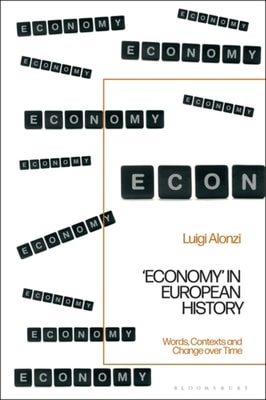
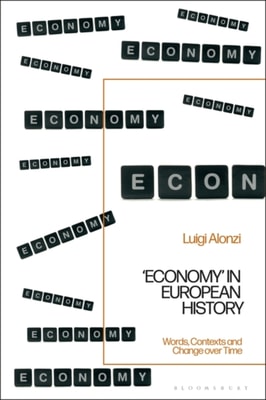
Prompted by the 'linguistic turn' of the late 20th century, intellectual and conceptual historians continue to devote a great deal of attention to the study of concepts in history.
Prompted by the 'linguistic turn' of the late 20th century, intellectual and conceptual historians continue to devote a great deal of attention to the study of concepts in history.
Formed in 1947, the United Nations Economic Commission for Europe (UNECE) was the first postwar international organization dedicated to economic cooperation in Europe.
Formed in 1947, the United Nations Economic Commission for Europe (UNECE) was the first postwar international organization dedicated to economic cooperation in Europe.
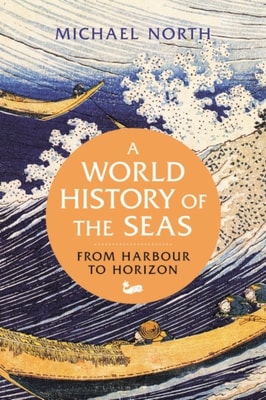
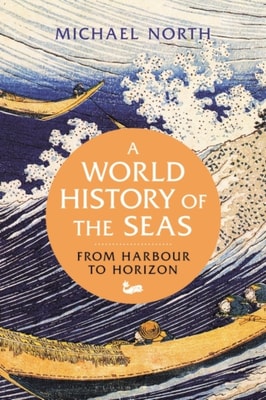
Offering an introduction to the world's seas as a platform for global exchange and connection, Michael North offers an impressive world history of the seas over more than 3,000 years.
Offering an introduction to the world's seas as a platform for global exchange and connection, Michael North offers an impressive world history of the seas over more than 3,000 years.
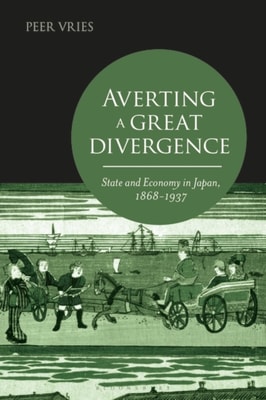
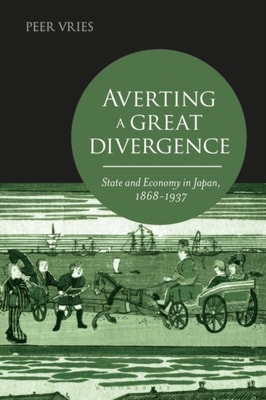
The most significant debate in global economic history over the past twenty years has dealt with the Great Divergence, the economic gap between different parts of the world.
The most significant debate in global economic history over the past twenty years has dealt with the Great Divergence, the economic gap between different parts of the world.
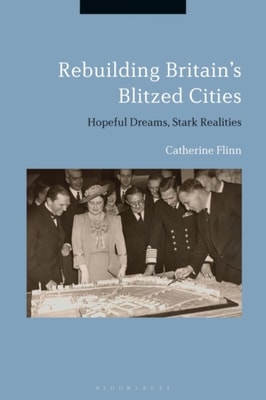
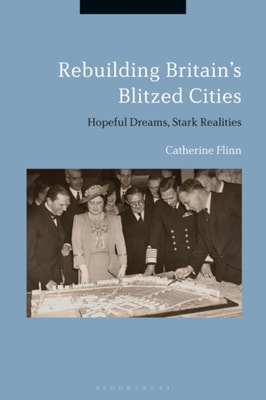
Many British cities were devastated by bombing during the Second World War and faced stark economic dilemmas concerning reconstruction planning and implementation after 1945.
Many British cities were devastated by bombing during the Second World War and faced stark economic dilemmas concerning reconstruction planning and implementation after 1945.
This book illuminates the largely neglected contribution of unpaid, primarily female household labour to economic production and living standards in Japan from the early modern period to the eve of World War Two.
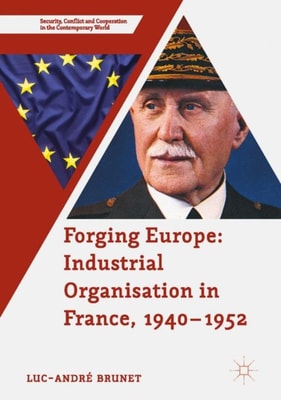
This book is a detailed and original look at the radical reorganisation of French heavy industry in the turbulent period between the establishment of the Vichy regime in 1940 and the creation of the European Coal and Steel Community (ECSC), the forerunner to the European Union, in 1952.
Iain McLean reexamines the radical legacy of AdamSmith, arguing that Smith was a radical egalitarian and that his work supported all three of the slogans of the French Revolution: liberty, equality, and fraternity.
This reissue of the authoritative Royal Economic Society edition of Essays in Persuasion features a new introduction by Donald Moggridge, which discusses the significance of this definitive work.
The Societies of Europe is an 8-title series of historical data handbooks and accompanying CD-ROM sets, on the development of Europe from the nineteenth to the twentieth century.
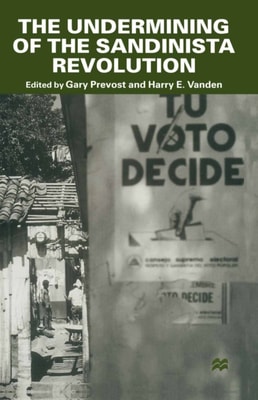
The Sandinista revolution brought dramatic social, economic and political changes to Nicaragua in the 1980s, but in the wake of the electoral defeat of the FSLN in 1990 the revolution has struggled to survive in the face of challenges from the Chamorro administration, the US government, and the International Monetary Fund.
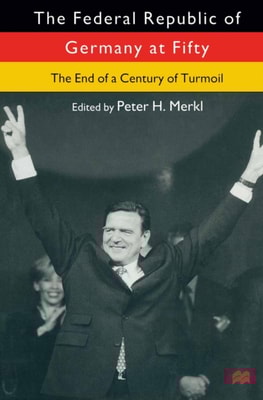
Fifty years after the formation of the Federal Republic and a decade after German unification, we stand on the cusp of a new century and a new millennium of German history.
Examining the patterns of business development in backward economies, this book demonstrates, the rate and character of business development in Brazil were to a large extent determined by its degree of backwardness, intellectual climate and natural potentialities, and accordingly the course of development of the Brazilian economy differed considerably from processes observed in more advanced countries.
The proceedings of the Development Studies Association conference held in Dublin on the 150th anniversary of the Great Irish Famine examine the historical background and the reasons why the spectre of famine continues to haunt much of the developing world today.
The Japanese Occupation of Southeast Asia between 1941 and 1945 brought with it severe food shortages, largely arising from organizational failures and inadequate transportation.
The book views the 'hungry forties' through the writings of the conservative Thomas Carlyle, the liberal John Stuart Mill and the socialist Friedrich Engels.
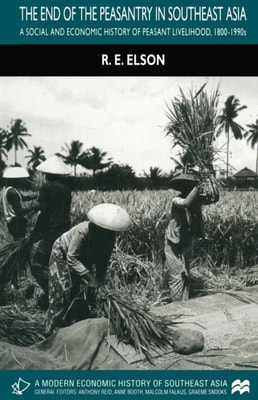
This book analyses the changing context and conditions of production and livelihood amongst Southeast Asia's peasants since the beginning of the nineteenth century.
The Sandinista revolution brought dramatic social, economic and political changes to Nicaragua in the 1980s, but in the wake of the electoral defeat of the FSLN in 1990 the revolution has struggled to survive in the face of challenges from the Chamorro administration, the US government, and the International Monetary Fund.
After a century and a half of efforts at constructing arrangements and rules for international monetary interaction, present-day national authorities do not seem to have come much closer to achieving the aim of enduring exchange rate stability combined with a good macroeconomic performance.
Recent concern with economic growth has led not only to a vast increase in the quantity and quality of statistics collected and published, but also to an upsurge of interest in the statistics of the past.