Garcia de Orta's Colloquies on the Simples and Drugs of India (1563) was one of the first books to take advantage of the close relationship between medicine, trade and empire in the early modern period.
A recurring theme in the history of modern Britain in the twentieth-century has been the failure of its manufacturing industry and the record of disorder and conflict in the industrial workplace.
A recurring theme in the history of modern Britain in the twentieth-century has been the failure of its manufacturing industry and the record of disorder and conflict in the industrial workplace.
In pre-industrial societies, in which the majority of the population lived directly off the land, few issues were more important than the maintenance of soil fertility.
In pre-industrial societies, in which the majority of the population lived directly off the land, few issues were more important than the maintenance of soil fertility.
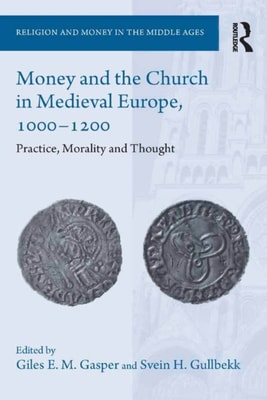
Bringing together essays from experts in a variety of disciplines, this collection explores two of the most important facets of life within the medieval Europe: money and the church.
Bringing together essays from experts in a variety of disciplines, this collection explores two of the most important facets of life within the medieval Europe: money and the church.
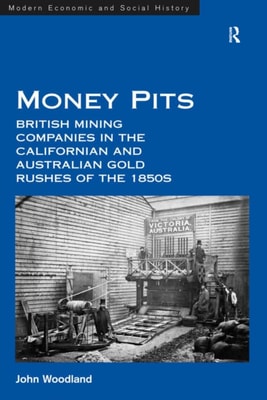
Between 1849 and 1853 shares in nearly 120 public companies to exploit the booming goldfields of California and Australia were offered to the British public.
Between 1849 and 1853 shares in nearly 120 public companies to exploit the booming goldfields of California and Australia were offered to the British public.
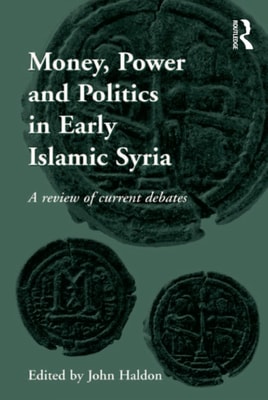
The transformation of the eastern provinces of the Roman empire from the middle of the seventh century CE under the impact of Islam has attracted a good deal of scholarly attention in recent years, and as more archaeological material becomes available, has been subject to revision and rethinking in ways that radically affect what we know or understand about the area, about state-building and the economy and society of the early Islamic world, and about issues such as urbanisation, town-country relations, the ways in which a different religious culture impacted on the built environment, and about politics.
The transformation of the eastern provinces of the Roman empire from the middle of the seventh century CE under the impact of Islam has attracted a good deal of scholarly attention in recent years, and as more archaeological material becomes available, has been subject to revision and rethinking in ways that radically affect what we know or understand about the area, about state-building and the economy and society of the early Islamic world, and about issues such as urbanisation, town-country relations, the ways in which a different religious culture impacted on the built environment, and about politics.
Municipal Services and Employees in the Modern City considers the roles played by local institutions and particular processes that shaped the urban fabric.
Municipal Services and Employees in the Modern City considers the roles played by local institutions and particular processes that shaped the urban fabric.
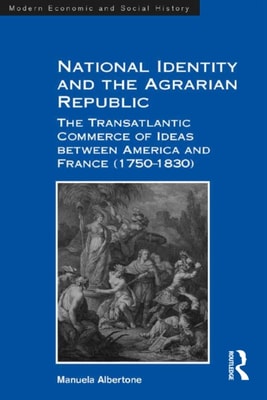
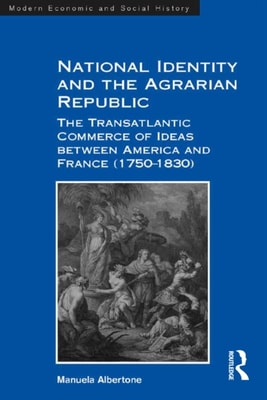
With a few exceptions, historiography has paid little attention to the impact of French economic thought during the American Revolution, focusing instead on the Revolution's links with Britain.
With a few exceptions, historiography has paid little attention to the impact of French economic thought during the American Revolution, focusing instead on the Revolution's links with Britain.
Negotiating Transcultural Relations in the Early Modern Mediterranean is a study of transcultural relations between Ottoman Muslims, Christian subjects of the Venetian Republic, and other social groups in the sixteenth and seventeenth centuries.
Negotiating Transcultural Relations in the Early Modern Mediterranean is a study of transcultural relations between Ottoman Muslims, Christian subjects of the Venetian Republic, and other social groups in the sixteenth and seventeenth centuries.
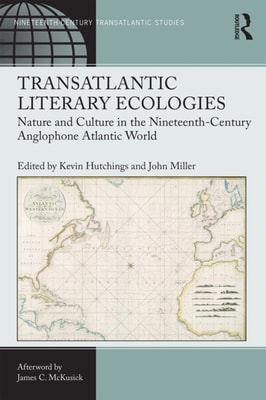
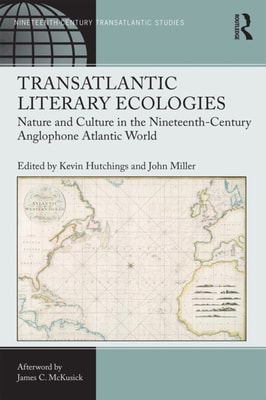
Opening a dialogue between ecocriticism and transatlantic studies, this collection shows how the two fields inform, complement, and complicate each other.
Opening a dialogue between ecocriticism and transatlantic studies, this collection shows how the two fields inform, complement, and complicate each other.
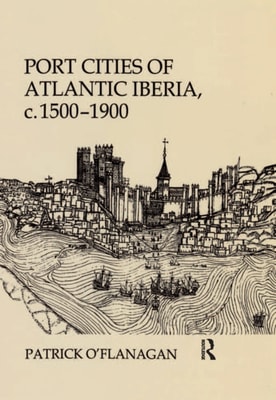
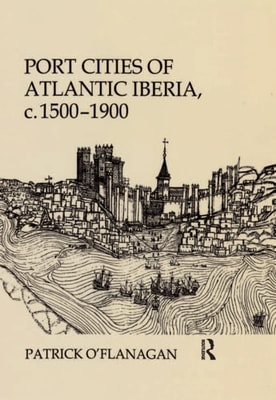
Charting the evolution of the port cities of Atlantic Spain and Portugal over four centuries, this book examines the often dynamic interaction between the large privileged ports of Lisbon, Seville and Cadiz (the Metropoles) and the smaller ports of, among others, Oporto, Corunna and Santander (the Second Tier).
Charting the evolution of the port cities of Atlantic Spain and Portugal over four centuries, this book examines the often dynamic interaction between the large privileged ports of Lisbon, Seville and Cadiz (the Metropoles) and the smaller ports of, among others, Oporto, Corunna and Santander (the Second Tier).
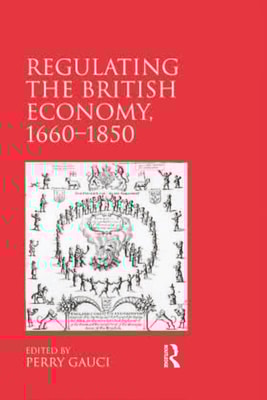
This collection of chapters focuses on the regulation of the British economy in the long eighteenth century as a means to understand the synergies between political, social and economic change as Britain was transformed into a global power.
This collection of chapters focuses on the regulation of the British economy in the long eighteenth century as a means to understand the synergies between political, social and economic change as Britain was transformed into a global power.
How Brazil and Portugal experimented with corporatism as a ';third path' between laissez-faire capitalism and communism Following the Great Depression, as the world searched for new economic models, Brazil and Portugal experimented with corporatism as a ';third path' between laissez-faire capitalism and communism.
Sir John Lubbock (1834-1913), first Lord Avebury, was a leading figure in the scientific, political and economic world of Victorian Britain, and his life provides an illuminating case study into the ways that these different facets were interlinked during the nineteenth century.
Sir John Lubbock (1834-1913), first Lord Avebury, was a leading figure in the scientific, political and economic world of Victorian Britain, and his life provides an illuminating case study into the ways that these different facets were interlinked during the nineteenth century.
Most homes in the past were not elite, wealthy interiors complete with high fashion furnishings, designed by well-known architects and designers, as many domestic histories often seem to have assumed.
Most homes in the past were not elite, wealthy interiors complete with high fashion furnishings, designed by well-known architects and designers, as many domestic histories often seem to have assumed.