During the Ming dynasty (1368-1644), the government invited merchants to deliver grain in return for salt certificates with which merchants drew salt as reward.
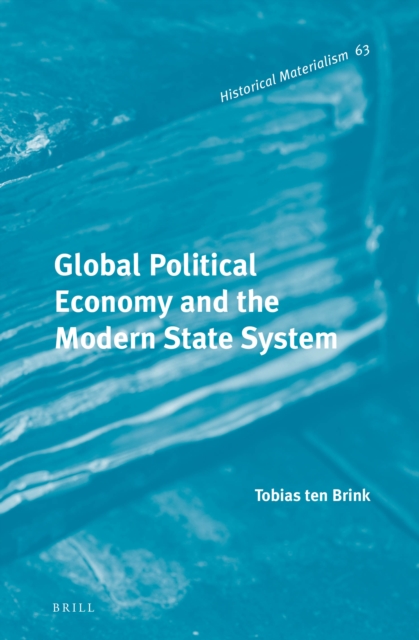
In Global Political Economy and the Modern State System Tobias ten Brink contributes to an understanding of the modern state system, its conflicts, and its transformation.
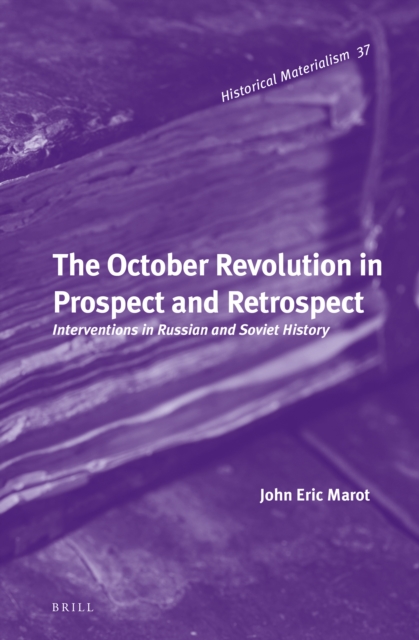
In a series of probing analytical essays, John Marot tracks the development of Bolshevism through the prism of pre-1917 intra-Russian Social Democratic controversies in politics and philosophy.
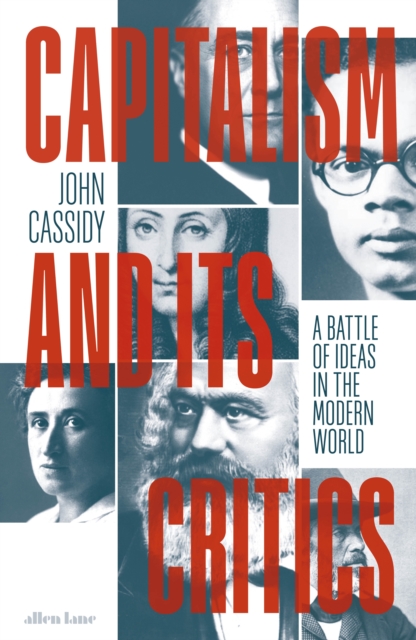
** A Financial Times Best Summer Book of 2025**A sweeping history of capitalism as seen through the eyes of its fiercest criticsAt a time when we are faced with fundamental questions about the sustainability and morality of the economic system, Capitalism and Its Critics provides a kaleidoscopic history of global capitalism, from colonialism and the Industrial Revolution to the ecological crisis and artificial intelligence.
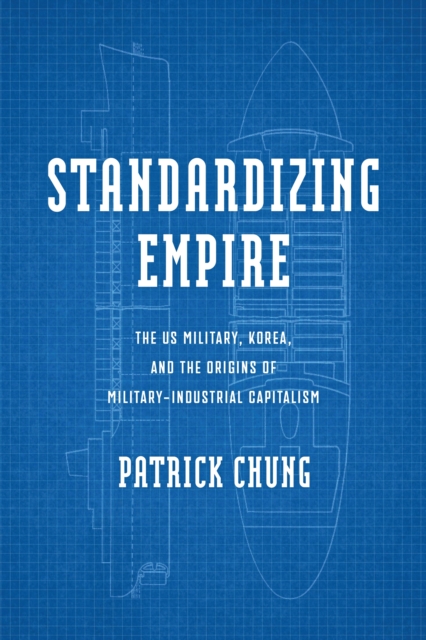
How the US military origins of global capitalism facilitated both South Korea's "e;economic miracle"e; and the decline of US industrial might The US military has become a ubiquitous part of modern economic life.
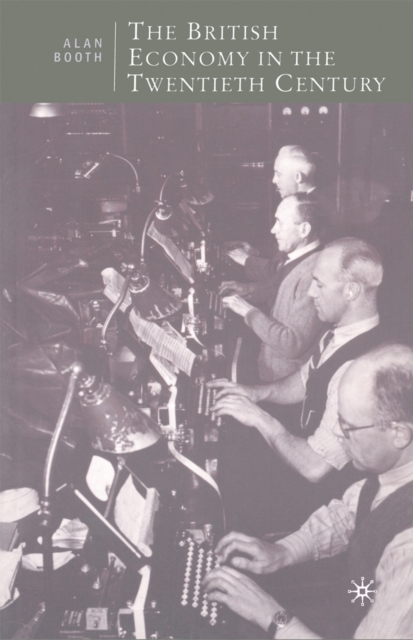
It is commonplace to assume that the twentieth-century British economy has failed, falling from the world's richest industrial country in 1900 to one of the poorest nations of Western Europe in 2000.
Over the past four decades, extreme wealth concentration has reshaped democratic societies, amplifying private power even as democratic institutions struggle to respond.
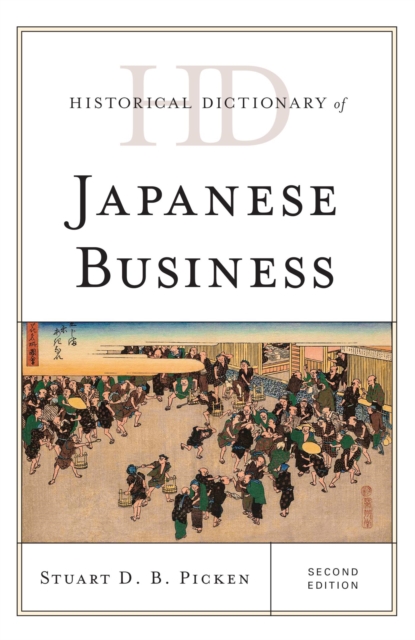
Japan, although now listed as the world's third-largest economy after that of the United States and China, has been too readily dismissed in the late 20th century as a spent force.
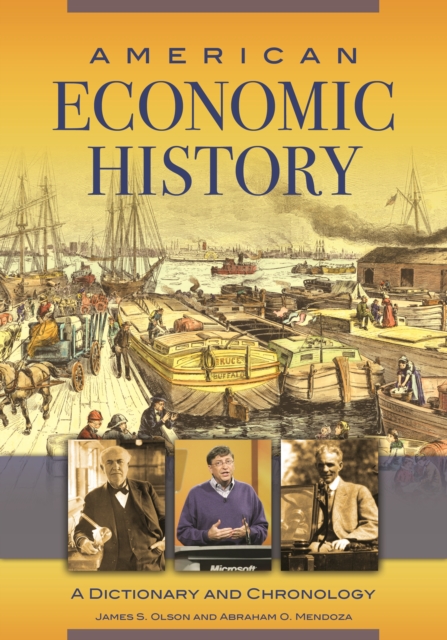
The economy of the United States is constantly evolving in response to wars, technological innovations, cultural revolutions, and political maneuverings.
In its more than 65 years of existence, the International Monetary Fund has evolved from a small, obscure international agency, with new and uncertain responsibilities, into a powerful institution that today has assumed center stage in the international monetary system.
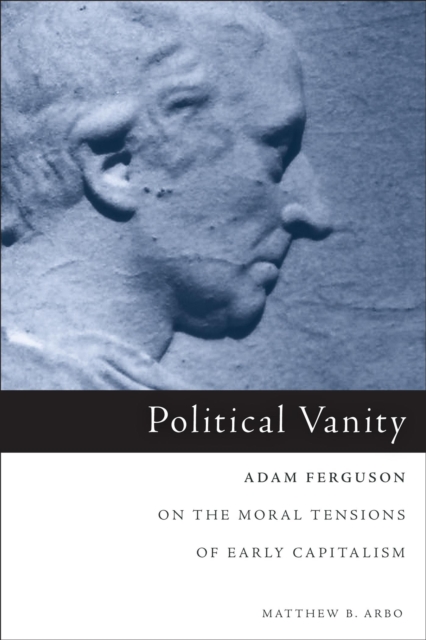
Political Vanity aims to illuminate the central debates over the historical, moral, and political legitimacy of market capitalism as though still profoundly theological in character.
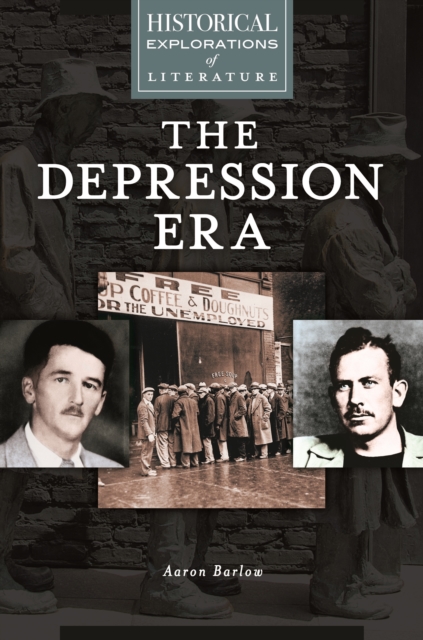
Through a diversity of primary source resources that include works by politicians and literary figures, book reviews, and interviews, this book enables student readers to better understand literature of the Great Depression in context through original documents.
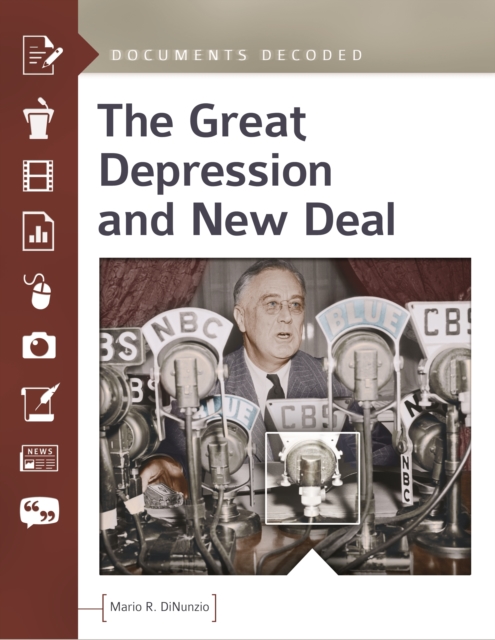
Covering figures, events, policies, and organizations, this comprehensive reference tool enhances readers' appreciation of the role economics has played in U.
Through this book's roughly 50 reference entries, readers will gain a better appreciation of what life during the Industrial Revolution was like and see how the United States and Europe rapidly changed as societies transitioned from an agrarian economy to one based on machines and mass production.
This unique encyclopedia enables students to understand the myriad ways that the Columbian Exchange shaped the modern world, covering every major living organism from pathogens and plants to insects and mammals.
Although Thomas Jefferson's status as a champion of education is widely known, the essays in Light and Liberty make clear that his efforts to enlighten fellow citizens reflected not only a love of learning but also a love of freedom.
Although many white southerners chose to memorialize the Lost Cause in the aftermath of the Civil War, boosters, entrepreneurs, and architects in southern cities believed that economic development, rather than nostalgia, would foster reconciliation between North and South.
In Earnestly Contending, Dickson Bruce examines the ways in which religious denominations and movements in antebellum America coped with the ideals of freedom and pluralism that exerted such a strong influence on the larger, national culture.
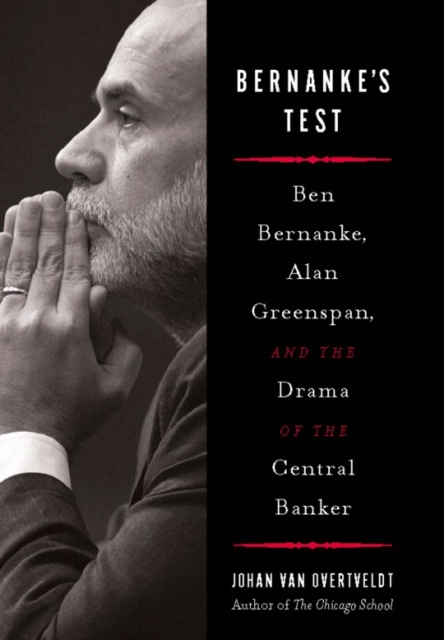
The global financial crisis is largely behind us, but the challenges it poses to the future stability of the world's economic system affects everyone from American families to Main Street businesses to Wall Street financial powerhouses.
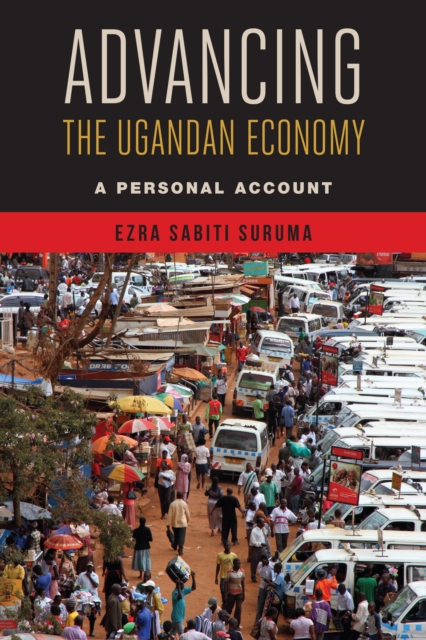
Internal conflicts, dictatorship, and economic disintegration characterized the first twenty-five years of Uganda's independence from British colonial rule, which culminated in the reign of Idi Amin and a violent civil war.
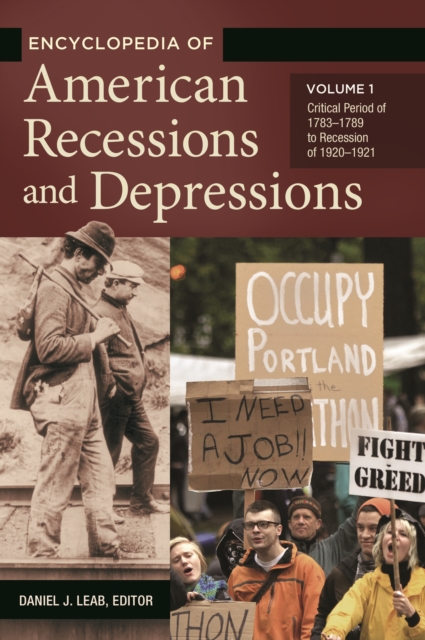
Covering events such as banking crises, economic bubbles, natural disasters, trade embargoes, and depressions, this single-volume encyclopedia of major U.
Political Vanity aims to illuminate the central debates over the historical, moral, and political legitimacy of market capitalism as though still profoundly theological in character.
A riveting look at the financial cycles in American economic history from colonial times to the present day, with an eye on the similarities and differences between past and present conditions as analyzed by leading economic historians.
Oblivion or Utopia: the Prospects for Africa explains that most of the problems on the continent stem from the fact that, although the continent may be politically independent, it is not economically independent.
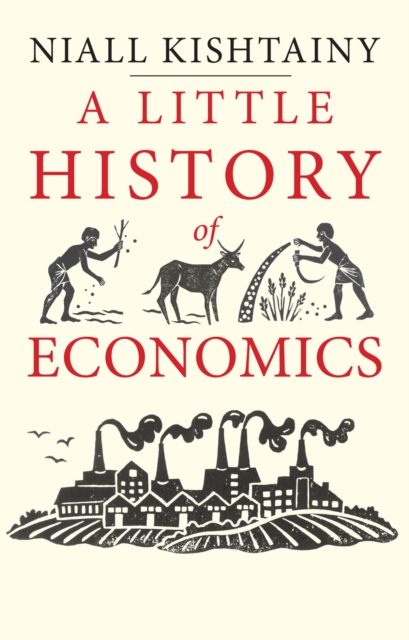
A lively, inviting account of the history of economics, told through events from ancient to modern times and through the ideas of great thinkers in the field"e;A whistle-stop introduction to the great works and thinkers of each age, this is a clear and accessible primer.
This volume critically explore and extend Hayek's Nobel Prize-winning work on knowledge and social interconnectedness from the disciplines of law, economics, philosophy, anthropology, political science, and history.
The global financial crisis is largely behind us, but the challenges it poses to the future stability of the world's economic system affects everyone from American families to Main Street businesses to Wall Street financial powerhouses.
Internal conflicts, dictatorship, and economic disintegration characterized the first twenty-five years of Uganda's independence from British colonial rule, which culminated in the reign of Idi Amin and a violent civil war.