In January 1682, William Culliford, a loyal and experienced officer in the King's customs service, began an extraordinary journey under Treasury orders to investigate the integrity and efficiency of the customs establishments of southwest England and south Wales as part of a drive to maximize the Crown's income from customs duties (on which it relied for much of its revenue).
In January 1682, William Culliford, a loyal and experienced officer in the King's customs service, began an extraordinary journey under Treasury orders to investigate the integrity and efficiency of the customs establishments of southwest England and south Wales as part of a drive to maximize the Crown's income from customs duties (on which it relied for much of its revenue).
Three decades of research into retailing in England from the seventeenth to nineteenth centuries has established a seemingly clear narrative: fixed shops were widespread from an early date; 'modern' methods of retailing were common from at least the early eighteenth century; shopping was a skilled activity throughout the period; and consumers were increasingly part of - and aware of being part of - a polite and fashionable culture.
Three decades of research into retailing in England from the seventeenth to nineteenth centuries has established a seemingly clear narrative: fixed shops were widespread from an early date; 'modern' methods of retailing were common from at least the early eighteenth century; shopping was a skilled activity throughout the period; and consumers were increasingly part of - and aware of being part of - a polite and fashionable culture.
Exploring the ways in which transatlantic relationships functioned in the nineteenth century to unsettle hierarchical models of gender, race, and national and cultural differences, this collection demonstrates the generative potential of transatlantic studies to loosen demographic frames and challenge conveniently linear histories.
Exploring the ways in which transatlantic relationships functioned in the nineteenth century to unsettle hierarchical models of gender, race, and national and cultural differences, this collection demonstrates the generative potential of transatlantic studies to loosen demographic frames and challenge conveniently linear histories.
In 1644, the news that Antonio de Montezinos claimed to have discovered the Lost Tribes of Israel in the jungles of South America spread across Europe fuelling an already febrile atmosphere of messianic and millenarian expectation.
In 1644, the news that Antonio de Montezinos claimed to have discovered the Lost Tribes of Israel in the jungles of South America spread across Europe fuelling an already febrile atmosphere of messianic and millenarian expectation.
Whilst much has been written about early modern urban history, the majority of this work has focussed on Western Europe with relatively little available in English on towns and cities in the former communist East.
Whilst much has been written about early modern urban history, the majority of this work has focussed on Western Europe with relatively little available in English on towns and cities in the former communist East.
Studying firms and entrepreneurs over three centuries, this book unravels the historical roots of the impressive business growth witnessed in contemporary India.
How colonial governments in Asia and Africa financed their activities and why fiscal systems varied across colonies reveals the nature and long-term effects of colonial rule.
Studying firms and entrepreneurs over three centuries, this book unravels the historical roots of the impressive business growth witnessed in contemporary India.
In Dollars for Dixie, Katherine Rye Jewell demonstrates how conservative southern industrialists pursued a political campaign to preserve regional economic arrangements.
In Dollars for Dixie, Katherine Rye Jewell demonstrates how conservative southern industrialists pursued a political campaign to preserve regional economic arrangements.
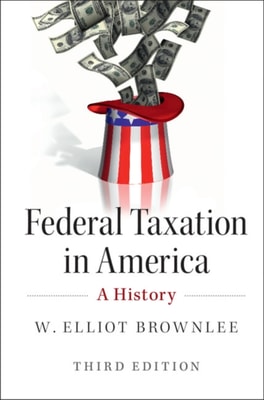
This book provides an analysis of the dramatic shifts in American taxation through crises from the American Revolution through to the ''Great Recession''.
This book provides an analysis of the dramatic shifts in American taxation through crises from the American Revolution through to the ''Great Recession''.