Part of a series of detailed reference manuals on American economic history, this volume traces the development of agriculture, transportation, labour movements and the factory system, foreign and domestic commerce, technology and the ramifications of slavery.
Part of a series of detailed reference manuals on American economic history, this volume traces the development of agriculture, transportation, labour movements and the factory system, foreign and domestic commerce, technology and the ramifications of slavery.
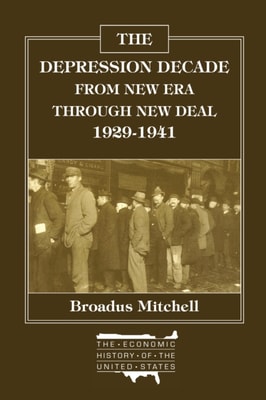
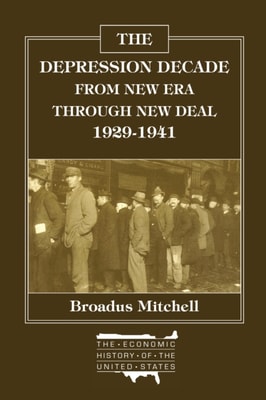
Part of a series of detailed reference manuals on American economic history, this volume traces the development and growth of American commerce from the era of the Great Depression until World War II.
Part of a series of detailed reference manuals on American economic history, this volume traces the development and growth of American commerce from the era of the Great Depression until World War II.
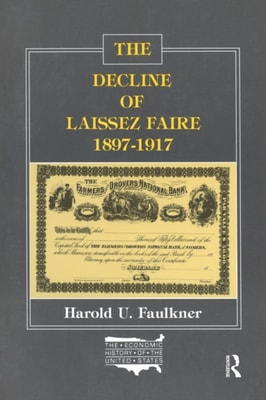
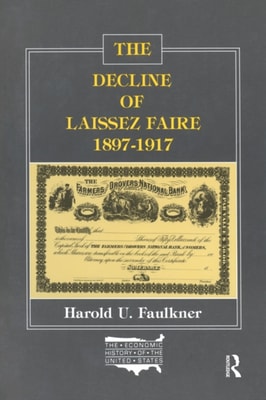
Part of a series of detailed reference manuals on American economic history, this volume traces the development and expansion of agriculture across the USA during the last half of the 19th century.
Part of a series of detailed reference manuals on American economic history, this volume traces the development and expansion of agriculture across the USA during the last half of the 19th century.
Part of a series of detailed reference manuals on American economic history, this volume examines the aspects and problems of land policies and the growth in farming during the mid-1800s.
Part of a series of detailed reference manuals on American economic history, this volume examines the aspects and problems of land policies and the growth in farming during the mid-1800s.
Part of a series of detailed reference manuals on American economic history, this volume traces the development and growth of the factory system, labour movements and foreign and domestic commerce.
Part of a series of detailed reference manuals on American economic history, this volume traces the development and growth of the factory system, labour movements and foreign and domestic commerce.
This critical bibliography of Adam Smith takes as its starting point the Kress Library of Business and Economics' 1939 catalogue of its Vanderblue Collection of Smithiana.
This critical bibliography of Adam Smith takes as its starting point the Kress Library of Business and Economics' 1939 catalogue of its Vanderblue Collection of Smithiana.
This title presents a collection of documents relating to the monetary history of gold from the 17th century up to the present, covering specifically the rise of the gold standard, its heyday, and the period following.
The form of 'reflexivity' - defined by the dictionary as that which is 'directed back upon itself' - that is most relevant to economic methodology is that where observation of the economy leads to ideas that change behavior, which in turn changes (is directed back upon) the economy itself.
The form of 'reflexivity' - defined by the dictionary as that which is 'directed back upon itself' - that is most relevant to economic methodology is that where observation of the economy leads to ideas that change behavior, which in turn changes (is directed back upon) the economy itself.
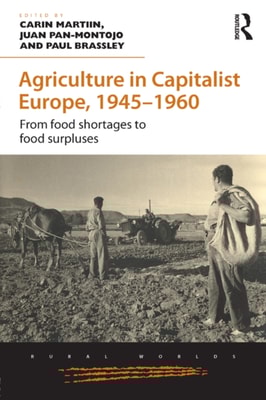
In the years before the Second World War agriculture in most European states was carried out on peasant or small family farms using technologies that relied mainly on organic inputs and local knowledge and skills, supplying products into a market that was partly local or national, partly international.
In the years before the Second World War agriculture in most European states was carried out on peasant or small family farms using technologies that relied mainly on organic inputs and local knowledge and skills, supplying products into a market that was partly local or national, partly international.
It has appeared to many commentators that the most fundamental change in what it is meant to be working-class in twentieth-century Britain came not as a result of war or of want, but of prosperity.
It has appeared to many commentators that the most fundamental change in what it is meant to be working-class in twentieth-century Britain came not as a result of war or of want, but of prosperity.
This set of 25 volumes, originally published between 1805 and 1992, amalgamates original nineteenth-century material and more recent research and analysis on the development of social welfare in Britain and Europe.
First published in 1981, this book examines the life of Arthur Harding, a well-known figure in the East End underworld during the first half of the twentieth century.
First published in 1981, this book examines the life of Arthur Harding, a well-known figure in the East End underworld during the first half of the twentieth century.
First published in 1975, this volume aims to direct attention at a number of aspects of the lives and occupations of village labourers in the nineteenth-century that have been little examined by historians outside of agriculture.
First published in 1975, this volume aims to direct attention at a number of aspects of the lives and occupations of village labourers in the nineteenth-century that have been little examined by historians outside of agriculture.
Industrial discipline in mining, quarrying, brickmaking and other classes of mineral work was very different to that in nineteenth-century factories and mills.
Industrial discipline in mining, quarrying, brickmaking and other classes of mineral work was very different to that in nineteenth-century factories and mills.
First published in 1985, this book presents the first detailed account of the relationship between the farmworkers, trades unionism, and political and social radicalism.
First published in 1985, this book presents the first detailed account of the relationship between the farmworkers, trades unionism, and political and social radicalism.
The passage of the National Currency Act of 1863 gave the United States its first uniform paper money, its first nationally chartered and supervised commercial banks, and its first modern regulatory agency: the Office of the Comptroller of the Currency.
The passage of the National Currency Act of 1863 gave the United States its first uniform paper money, its first nationally chartered and supervised commercial banks, and its first modern regulatory agency: the Office of the Comptroller of the Currency.
First published in 1989, this book seeks to demonstrate the social and political images of late-twentieth century London - the post-big-bang city, docklands, trade union defeats, a mounting north-south divide - do not mark as decisive break with the past as they may appear to.
First published in 1989, this book seeks to demonstrate the social and political images of late-twentieth century London - the post-big-bang city, docklands, trade union defeats, a mounting north-south divide - do not mark as decisive break with the past as they may appear to.