Illustrated with historical analysis, case studies, and accessible economic concepts, this book explains what financial crises are, how they are caused and what we can learn from them.
This comparative study of the European history of apprenticeship offers a comprehensive picture of occupational training before the Industrial Revolution.
Examines debt insecurity in eighteenth-century Britain, a period of famously rapid economic growth when many people nevertheless experienced financial failure.
This comparative study of the European history of apprenticeship offers a comprehensive picture of occupational training before the Industrial Revolution.
Examines debt insecurity in eighteenth-century Britain, a period of famously rapid economic growth when many people nevertheless experienced financial failure.
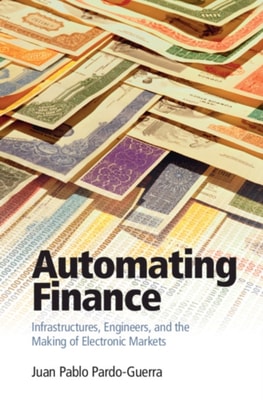
Explains how stock markets became automated through the work of invisible technologists, redefining the fabric of finance for the twenty-first century.
Explains how stock markets became automated through the work of invisible technologists, redefining the fabric of finance for the twenty-first century.
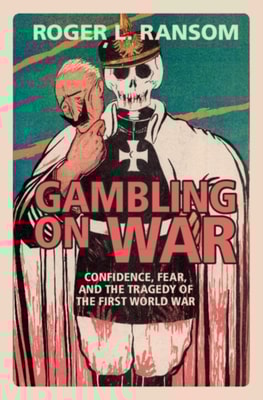
Discusses the irrational, risk-taking decisions of overconfident leaders which led to a seminal turning point in world history that shaped the twentieth century.
Argues that workers'' compensation laws created new employment discrimination against disabled people and a new injury culture that treated employees and their injuries instrumentally.
Probes historical relationships between banks and religious beliefs, exploring urban geographies and architectural forms that reveal moral attitudes toward money during the early onset of capitalism.
How colonial governments in Asia and Africa financed their activities and why fiscal systems varied across colonies reveals the nature and long-term effects of colonial rule.
This collection of essays explores the impact that nationalism, capitalism and socialism had on economics during the first half of the twentieth century.