A bold new interpretation of ''consumer revolution'' in 18th-century Europe, examining globalization and the politics of consumption in the age of Revolution.
Reinterprets Liberia''s economic history during the nineteenth and twentieth centuries to investigate the challenges and opportunities of sovereignty during the age of empires.
Challenges the dominant narrative of an agricultural ''enlightenment'', showing how farming books appropriated traditional knowledge in pre-industrial Britain.
Challenges the dominant narrative of an agricultural ''enlightenment'', showing how farming books appropriated traditional knowledge in pre-industrial Britain.
This Element primarily focuses on interactions between government and industrial suppliers within the institutional peculiarities of the defence marketplace.
This Element primarily focuses on interactions between government and industrial suppliers within the institutional peculiarities of the defence marketplace.
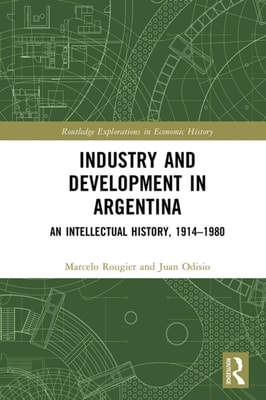
This book explores the twists and turns in Argentina's modern economic history and the debates that raged there around a problem common to all former colonies: how to achieve a level of economic growth for its population in a world characterized by unequal economic relations between the industrialized nations of the north and the commodity producers of the south.
This book explores the twists and turns in Argentina's modern economic history and the debates that raged there around a problem common to all former colonies: how to achieve a level of economic growth for its population in a world characterized by unequal economic relations between the industrialized nations of the north and the commodity producers of the south.
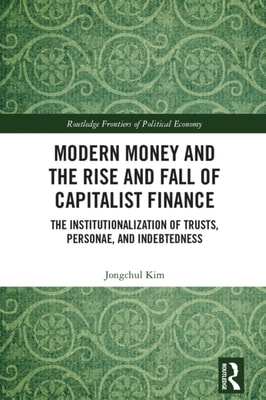
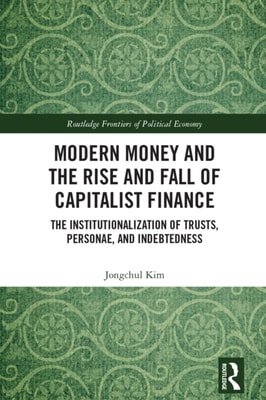
Modern Money and the Rise and Fall of Capitalist Finance examines the true nature of modern money and seeks ideas for an alternative economic system for a just society.
This book presents an innovative history of the first Portuguese public bank, by exploring the relationship between banking activities and the political context.
This book presents an innovative history of the first Portuguese public bank, by exploring the relationship between banking activities and the political context.
Modern Money and the Rise and Fall of Capitalist Finance examines the true nature of modern money and seeks ideas for an alternative economic system for a just society.
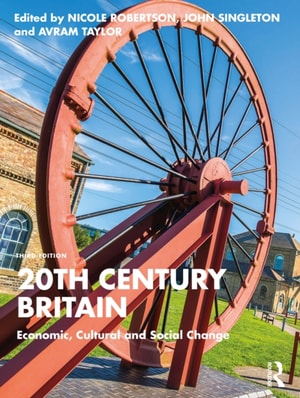
20th Century Britain provides an authoritative and accessible survey of contemporary research on economic activity, society, political development and culture.
20th Century Britain provides an authoritative and accessible survey of contemporary research on economic activity, society, political development and culture.
Originally published as a collection in 2006, this volume discusses the development of the Atlantic slave trade in the seventeenth century, looking at issues such as how African societies reacted to the trade; the economic origins of black slavery in the British West Indies; and the growth of plantations responding to changes in European diet - particularly the rise of the sugar economy.
Originally published as a collection in 2006, this volume discusses the development of the Atlantic slave trade in the seventeenth century, looking at issues such as how African societies reacted to the trade; the economic origins of black slavery in the British West Indies; and the growth of plantations responding to changes in European diet - particularly the rise of the sugar economy.
In traditional theory of economic crisis, and in all its manifestations, there is no fundamental difference between economic disorder and economic crisis: the two types of economic turmoil are both considered temporary states.
In traditional theory of economic crisis, and in all its manifestations, there is no fundamental difference between economic disorder and economic crisis: the two types of economic turmoil are both considered temporary states.
Originally published in 1963, The Railwaymen recounts the struggle of the Amalgamated Society of Railway Servants from its foundation in 1872 until the first national railway strike in 1911 to gain recognition from the companies and a reduction in the excessive hours of labour and the scandalously high accident rate among railwaymen.
Originally published in 1963, The Railwaymen recounts the struggle of the Amalgamated Society of Railway Servants from its foundation in 1872 until the first national railway strike in 1911 to gain recognition from the companies and a reduction in the excessive hours of labour and the scandalously high accident rate among railwaymen.