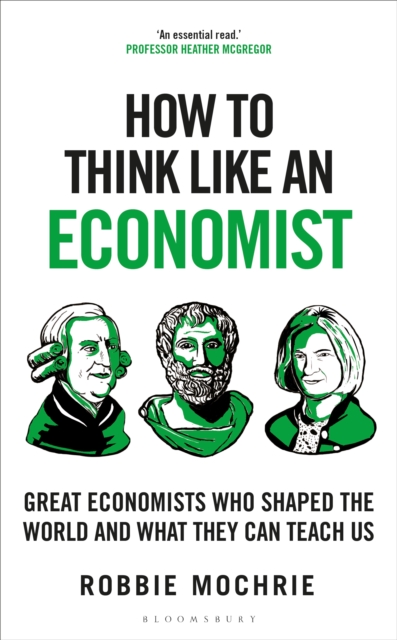
Capturing the essence of history's most influential economists in enjoyable and illuminating biographical sketches, this book shows how the great economic thinkers are still relevant today.
How human institutionsmarkets, states, communities, religions, guilds and familieshave helped both to control and to exacerbate epidemics throughout historyHow do societies tackle epidemic disease?
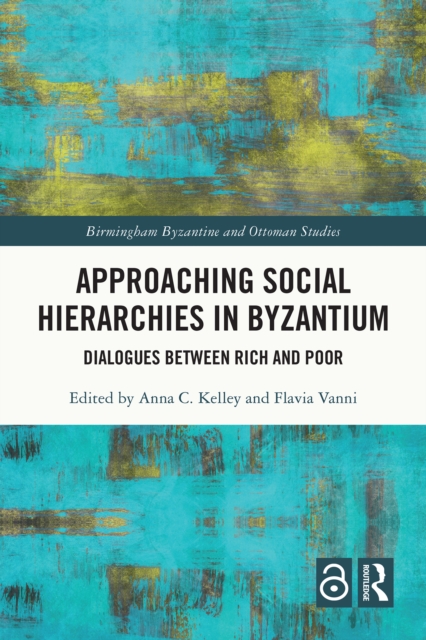
Utilising new methodological approaches to understanding not only the poor as a social and economic group but also of the internal means of stratification which informed social organisation within local communities, this book looks at the place of the poor within the multi-layered hierarchies of Byzantine society using evidence from archaeology, art, architecture, as well as narrative, theological, and legal texts.
In Global Capitalism (originally published in 1991), Richard Peet surveys the various approaches made by social theory towards seeing history in terms of its regional dynamics.
One of the most powerful books in the social sciences ever written Thomas Piketty'The twentieth century's most prophetic critic of capitalism' Prospect Polanyi s revolutionary work is a must-read Mariana MazzucatoKarl Polanyi's landmark 1944 work is one of the earliest and most powerful critiques of unregulated markets.
This book, focusing on the Japanese economy mainly from the 1990s to the 2010s, examines the Japanese industrial and fiscal-monetary policies and evaluates its achievements and limits from a historical perspective.
Hilaire Belloc's thinking on the economy constitutes, by its originality and acuity, a heterodox approach of the greatest interest in addressing the economic problems of his time and those of our own.
A landmark history of the world economic order, exploring how developing countries have fought to escape impoverishment Over the past two decades, experiments in neoliberal economics have opened up a chasm of inequality between the Global South and the West.
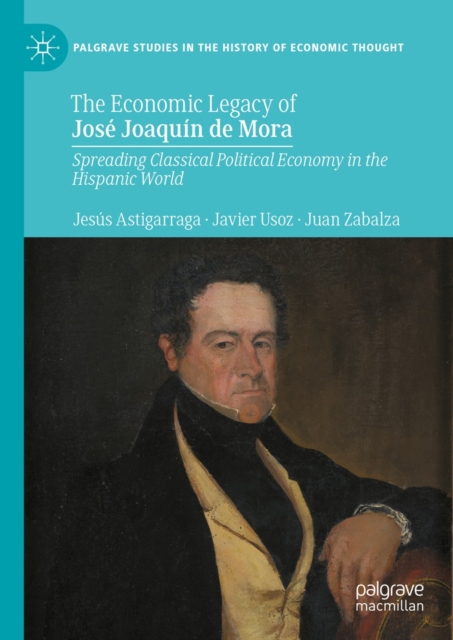
This book examines the dissemination, adaptation, and application of classical economic ideas within the Hispanic world through the life of Jose Joaquin de Mora.
Nominated for the FT/McKinsey Business Book of the YearNominated for the Carnegie Medal for Excellence in NonfictionAmazon Top 5 Business Books of 2017'A prodigious feat of reporting' - Malcolm Gladwell Black Edge has the grip of a thriller Everyone should read this book - David Grann, New York Times bestselling author of THE LOST CITY OF Z How do super-rich bankers get away with it?
A landmark history of the world economic order, exploring how developing countries have fought to escape impoverishment Over the past two decades, experiments in neoliberal economics have opened up a chasm of inequality between the Global South and the West.
Money and Plan concerns the changing role of money and finance in the East European countries as they enact economic reforms designed to decentralize economic decisions, extend enterprise autonomy, and rationalize the management of their economies.
This book examines the dissemination, adaptation, and application of classical economic ideas within the Hispanic world through the life of Jose Joaquin de Mora.
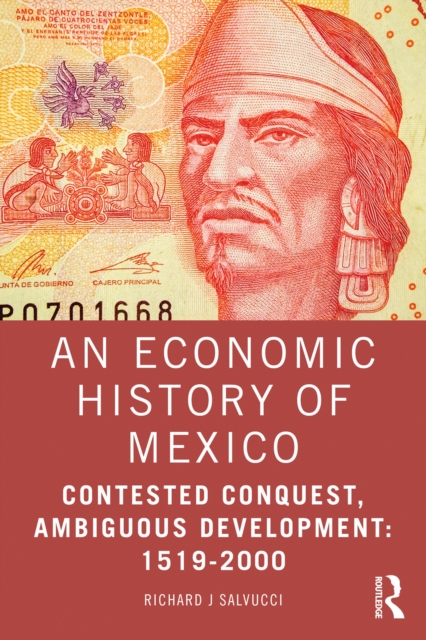
After a turbulent modern history of conquest and colonialism, Mexico has developed as an economy that may be emerging but still displays significant levels of poverty, particularly in relation to its neighbor to the north, the United States.
Australians and the Gold Rush: California and Down Under 1849-1854 vividly recounts the dramatic intersection of two worlds during the California Gold Rush.
*The #1 Sunday Times bestseller*'Explosive and beautifully told these truths can set us free' - Danny Dorling'This book is dynamite shining a spotlight on the evils of neoliberalism, shattering the myth that there is no alternative , and laying the foundations for a new politics' - Caroline LucasHow can you fight something if you don t know it exists?
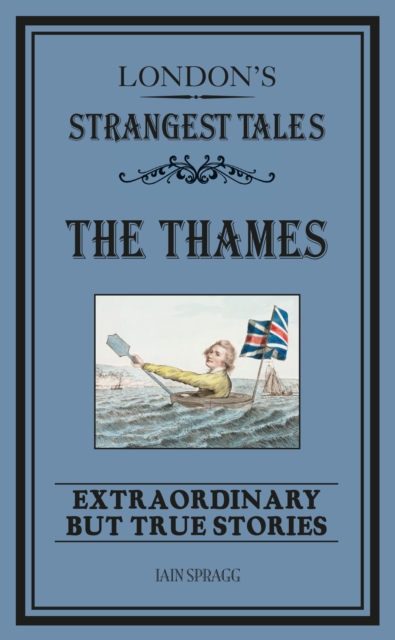
The 19th-century MP John Burns described the Thames as 'liquid history' and ever since the Romans founded Londinium in 43 AD, the river has played a key cultural and economic, political and social role in the history of England.