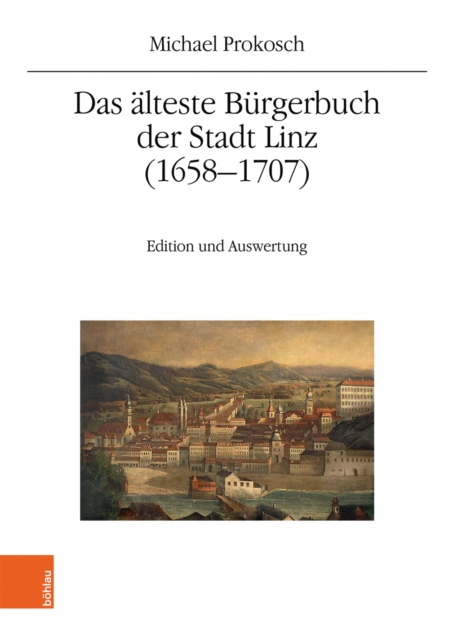
Das älteste Linzer Bürgerbuch verzeichnet nicht nur 844 Aufnahmen von Personen in die Stadtgemeinschaft im Zeitraum zwischen 1658 und 1707, es ist gleichzeitig ein Spiegel der Daseinsumstände und Entscheidungen der Menschen.
This collection of 13 essays deals with a range of topics concerning Portuguese, Dutch and Chinese merchants, commodities and commerce in maritime Asia in the early modern period from c.
This book is concerned with one of the fundamental problems in the economic and social history of Europe in the early modern period, namely with the bifurcation in its development: in Western Europe, the development of capitalism; in East-Central Europe, the rise of the manorial-serf economy which hampered the development of capitalism.
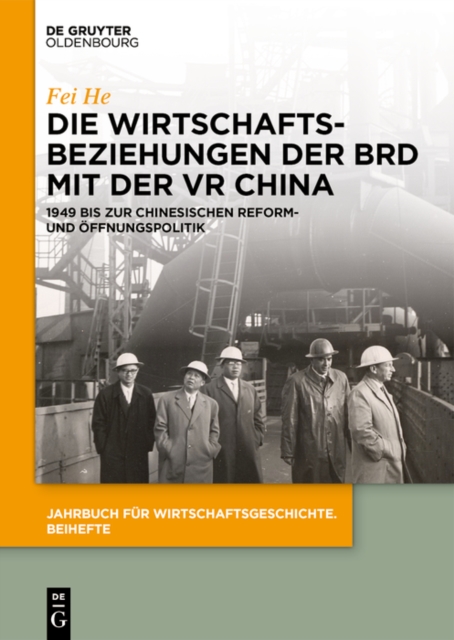
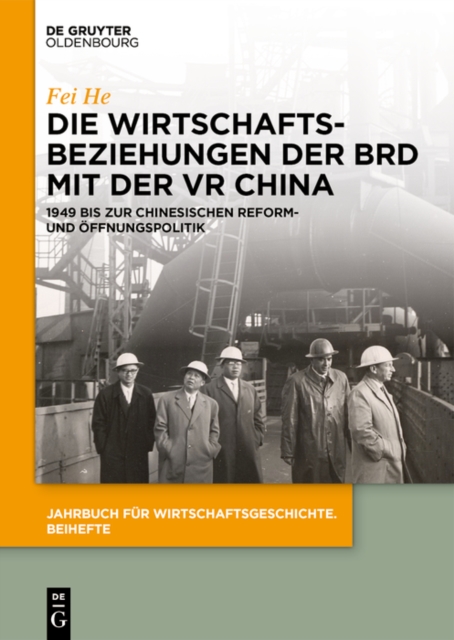
Der Zweite Weltkrieg und die chinesische Revolution beendeten die über Jahrzehnte gewachsene deutsche kulturelle und wirtschaftliche Präsenz auf dem chinesischen Festland.
Dieses Buch fügt der wachsenden Literatur über die Geschichte des Kapitalismus einen entscheidenden Schwerpunkt auf die Moral hinzu, indem es soziale und kulturelle Perspektiven auf die kapitalistische Wirtschaftsordnung in der Moderne untersucht.
For thousands of years, from its origins in ancient Mesopotamia to its current status as a global industry, the history of wine has been directly related to major social, cultural, religious and economic changes.
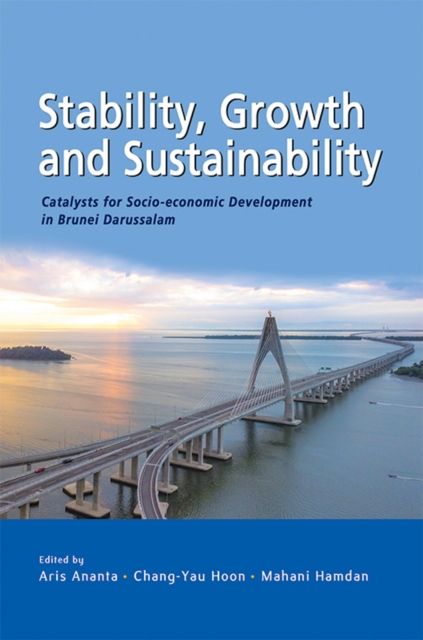
As in many other oil and gas dependent countries, Brunei Darussalam-a country with a small population but the second highest income per capita in Southeast Asia-has been diversifying its economy in three sectors: from oil and gas to other sectors of export/economic growth; from the dominance of public sector employment to a more balanced public and private sectors employment; and from heavy dependence on foreign labours to development of local talents.
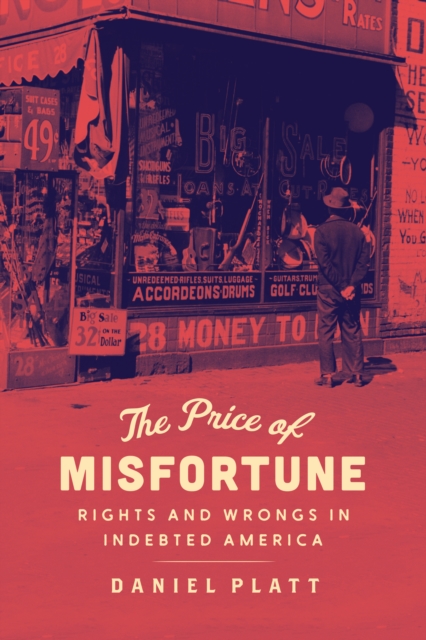
A history of the struggle for debtors' rights from the Civil War to the Great Depression What can be taken from someone who has borrowed money and cannot repay?
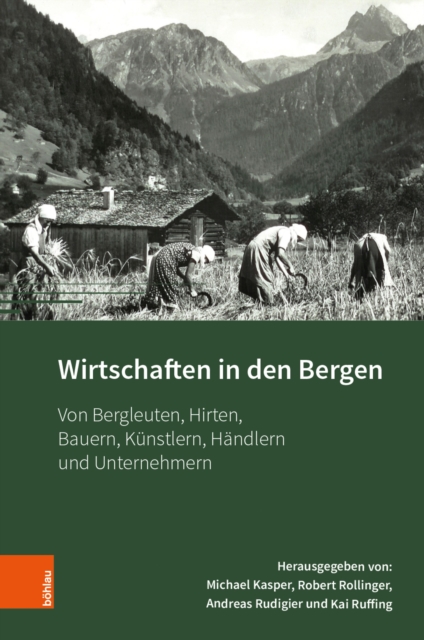
Gerade das Gebirge gilt einerseits als ein Naturraum, der den Menschen in seinem Ringen um die Erfüllung seiner (Grund-)Bedürfnisse vor besondere Herausforderungen stellt.
This book illuminates the largely neglected contribution of unpaid, primarily female household labour to economic production and living standards in Japan from the early modern period to the eve of World War Two.
Der Zweite Weltkrieg und die chinesische Revolution beendeten die über Jahrzehnte gewachsene deutsche kulturelle und wirtschaftliche Präsenz auf dem chinesischen Festland.
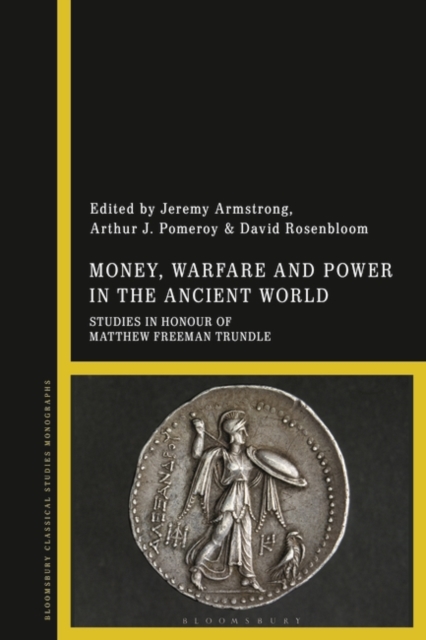
Money, Warfare and Power in the Ancient World offers twelve papers analysing the processes, consequences and problems involved in the monetization of warfare and its connection to political power in antiquity.
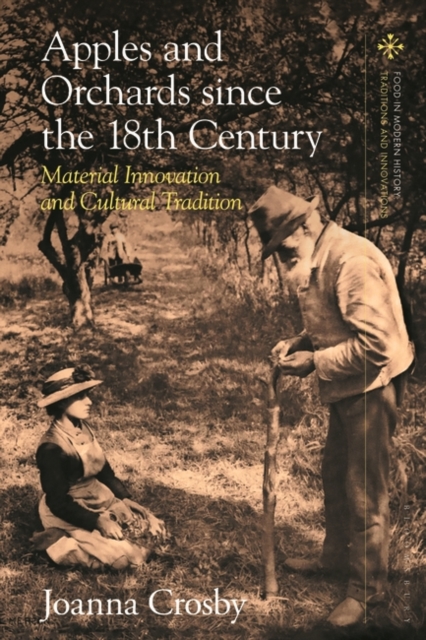
Showing how the history of the apple goes far beyond the orchard and into the social, cultural and technological developments of Britain and the USA, this book takes an interdisciplinary approach to reveal the importance of the apple as a symbol of both tradition and innovation.
First published in 1983, The Planned Economies of Eastern Europe provides a penetrating analysis of the Eastern European economies, beginning with an examination of the Soviet model on which they are based.
This is a business history of soy that reveals how Japanese imperial and military institutions and financial-mercantile-industrial interests created a role for soy as a versatile raw material and global commodity beginning in the 19th century, even before the Western world recognized this "e;oilseed.
This edited collection presents an economic history of Catalonia and its economic crises, from Roman times to the political difficulties of the present day.
Research in the History of Economic Thought and Methodology Volume 41B features a selection of papers presented at the First History of Economics Diversity Caucus Conference, new research essays from Roger Sandilands and co-authors Daniel Schiffman and Eli Goldstein, as well as an interview of Francis Wilson conducted by Phil Magness and Micha Gartz.
This edited collection presents an economic history of Catalonia and its economic crises, from Roman times to the political difficulties of the present day.
Research in the History of Economic Thought and Methodology Volume 41B features a selection of papers presented at the First History of Economics Diversity Caucus Conference, new research essays from Roger Sandilands and co-authors Daniel Schiffman and Eli Goldstein, as well as an interview of Francis Wilson conducted by Phil Magness and Micha Gartz.
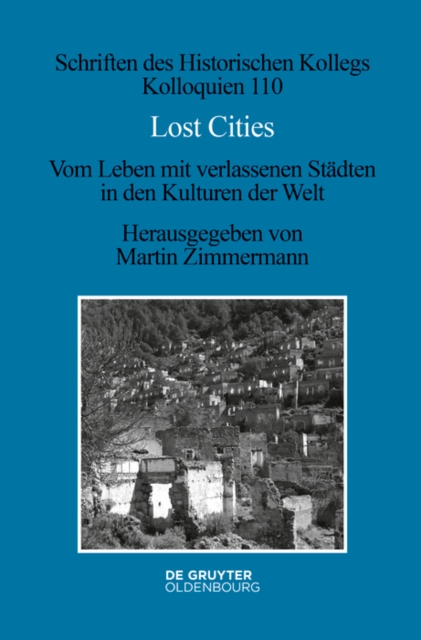
Angesichts einer fortschreitenden Urbanisierung und der ungeheuren Erfolgsgeschichte der Siedlungsform „Stadt" wird selten die paradoxe Kehrseite dieser Geschichte in den Blick genommen.
This book is the second of three volumes that uses the theory of Optimal Currency Areas (OCAs) and applied econometric techniques to provide the reader with a compact analysis of the Euro area, its evolution and future perspectives.
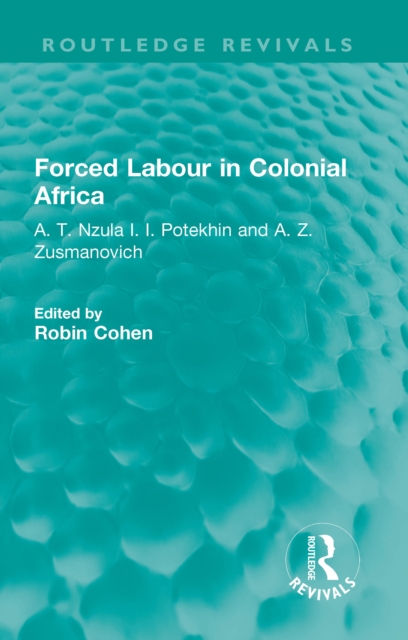
Originally published for the first time in English in 1979 this book represents one of the earliest Marxist analyses of the impact that colonialism had on Africa during the first half century that followed the Scramble.
This book examines the economic history of ancient South Asia by situating the Malwa region of Central India within Afro-Eurasian trade networks to illuminate the role of traders in the political, religious and economic processes connected with the Indo-Sasanian trade in the period of five centuries, circa CE 300-700.
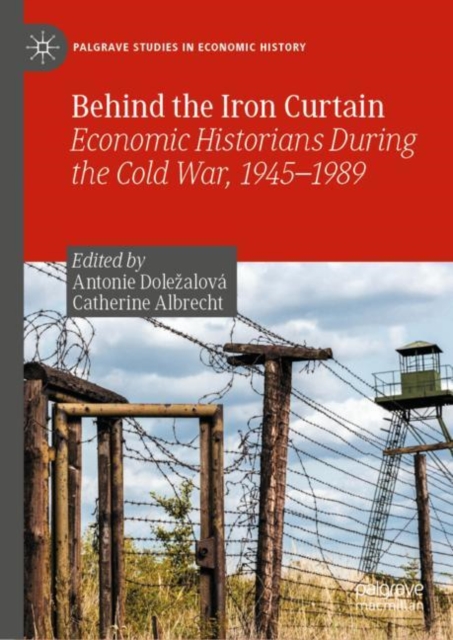
This edited volume offers a systematic exploration of the relations between Western and Eastern scientists during the Cold War from the Eastern European perspective using the example of economic history.
Originally published for the first time in English in 1979 this book represents one of the earliest Marxist analyses of the impact that colonialism had on Africa during the first half century that followed the Scramble.
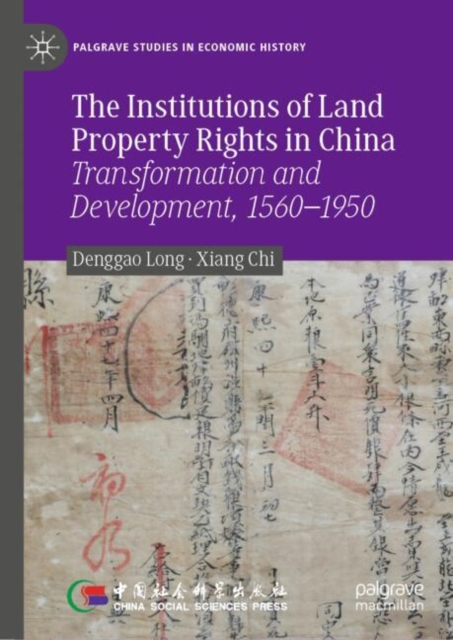
This book provides a comprehensive study of land property rights and transaction systems in late imperial China, specifically during the period of 1560 - 1950.
This book is the second of three volumes that uses the theory of Optimal Currency Areas (OCAs) and applied econometric techniques to provide the reader with a compact analysis of the Euro area, its evolution and future perspectives.
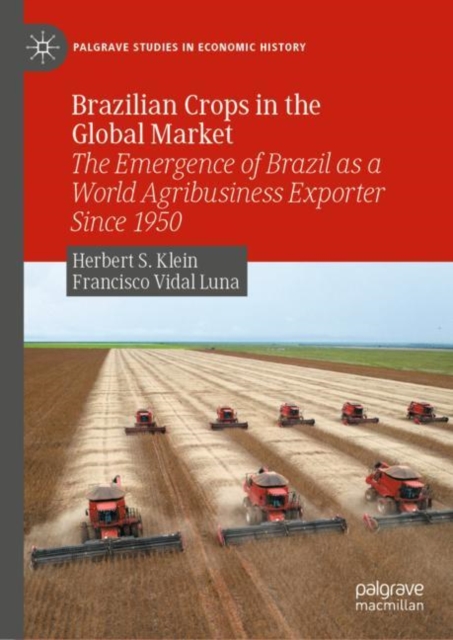
This book comprehensively examines the development of Brazilian agriculture by focusing on the crops which evolved from national products to international commodities on a massive scale.
This edited volume offers a systematic exploration of the relations between Western and Eastern scientists during the Cold War from the Eastern European perspective using the example of economic history.