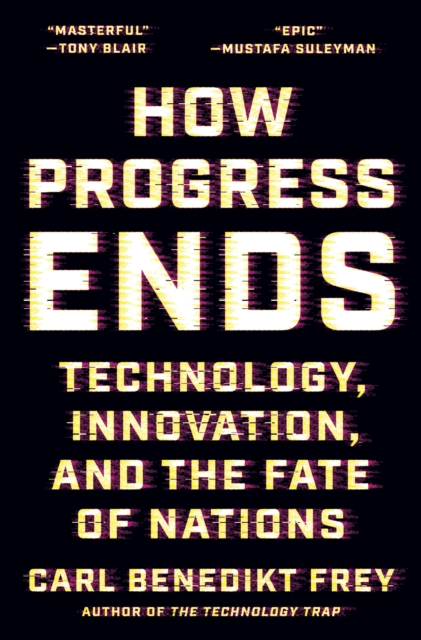
Shortlisted for the Financial Times and Schroders Business Book of the Year AwardHow 1,000 years of global history show why technological and economic progress is often followed by stagnation and even collapseIn How Progress Ends, Carl Benedikt Frey challenges the conventional belief that economic and technological progress is inevitable.
Shortlisted for the Financial Times and Schroders Business Book of the Year AwardHow 1,000 years of global history show why technological and economic progress is often followed by stagnation and even collapseIn How Progress Ends, Carl Benedikt Frey challenges the conventional belief that economic and technological progress is inevitable.
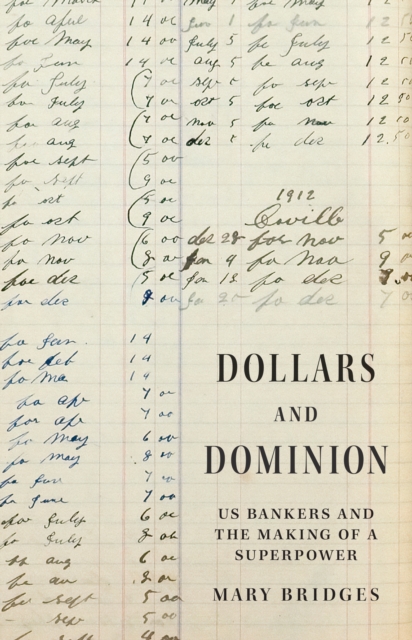
How the creation of a new banking infrastructure in the early twentieth century established the United States as a global financial powerThe dominance of US multinational businesses today can seem at first like an inevitable byproduct of the nation's superpower status.
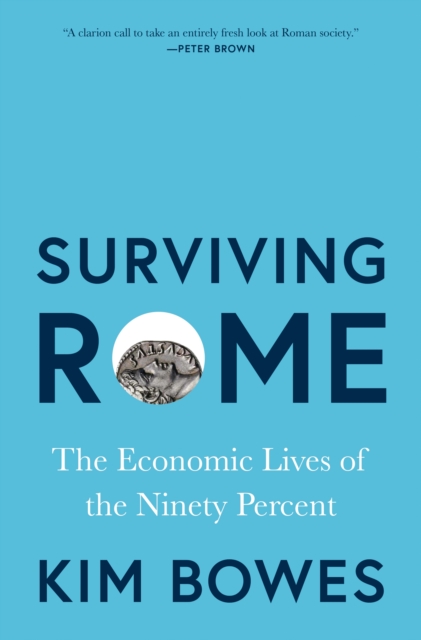
A radical revisionand worker's-eye viewof everything we thought we knew about the ancient Roman economyThe story of ancient Rome is predominantly one of great men with great fortunes.
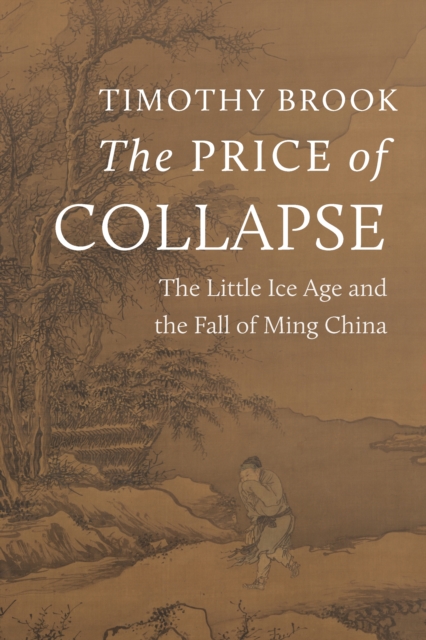
How climate change ushered in the collapse of one of history's mighty empiresIn 1644, after close to three centuries of relative stability and prosperity, the Ming dynasty collapsed.
How climate change ushered in the collapse of one of history's mighty empiresIn 1644, after close to three centuries of relative stability and prosperity, the Ming dynasty collapsed.
How the creation of a new banking infrastructure in the early twentieth century established the United States as a global financial powerThe dominance of US multinational businesses today can seem at first like an inevitable byproduct of the nation's superpower status.
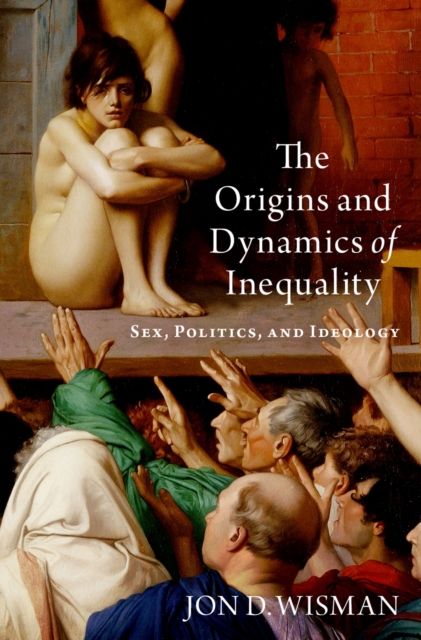
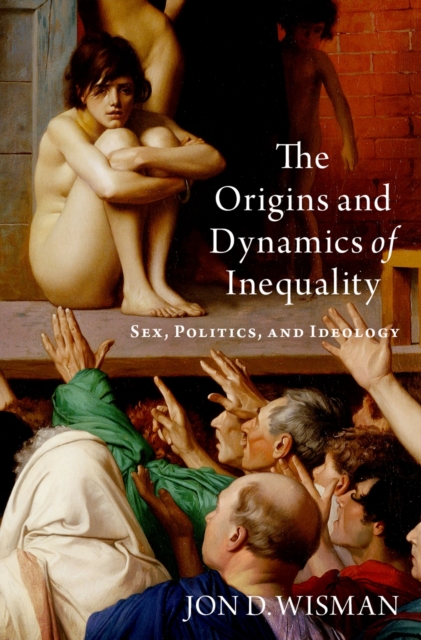
Argues that the struggle over income, wealth, status and privilege-inequality-has been the principal, defining issue in human history and provides a novel framework for understanding inequality todayWhereas President Barack Obama declared inequality as the defining issue of our time, in The Origins and Dynamics of Inequality, Jon D.
Argues that the struggle over income, wealth, status and privilege-inequality-has been the principal, defining issue in human history and provides a novel framework for understanding inequality todayWhereas President Barack Obama declared inequality as the defining issue of our time, in The Origins and Dynamics of Inequality, Jon D.
The Low Countries -- an area roughly embracing the present-day Netherlands and Belgium -- formed a patchwork of varied economic and social development in the Middle Ages, with some regions displaying a remarkable dynamism.
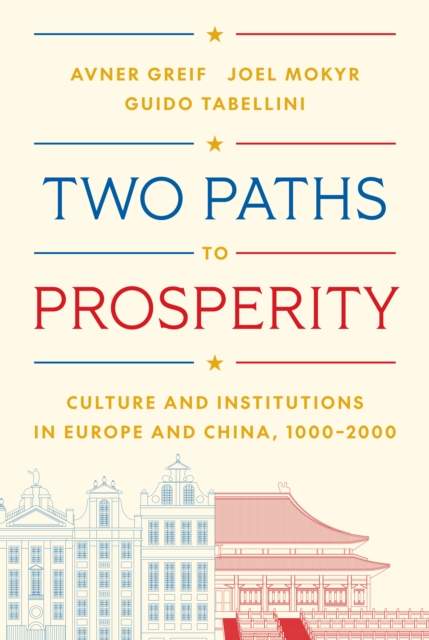
How the social organization of Europe and China shaped their divergent economic and political trajectories over the past millenniumIn the eleventh century, when Europe was still backward and poor, China was a rich and sophisticated civilization.
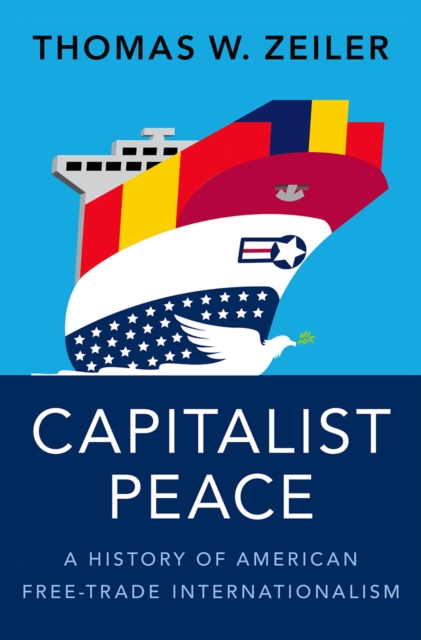
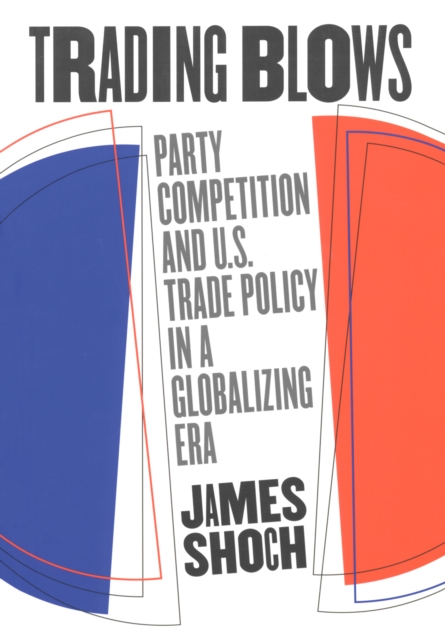
For the past two decades, trade policy has been high on the American political agenda, thanks to the growing integration of the United States into the global economy and the wealth of debate this development has sparked.
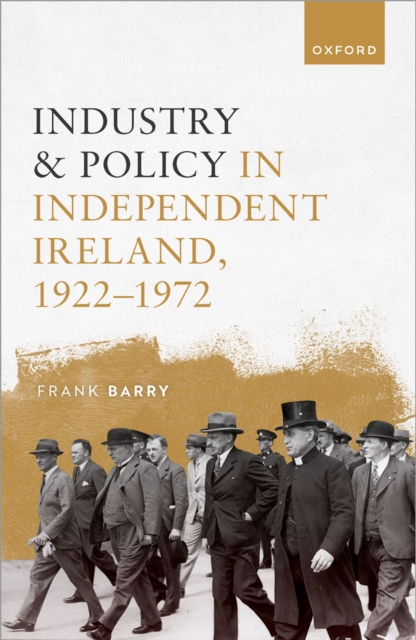
This book revisits the history of industry and industrial and economic policy in independent Ireland from the birth of the state to the eve of EEC accession.
The current consensus economic model, the neoclassical synthesis, depends on aprioristic assumptions that are shown to be invalid when tested against the data and fails to include finance.
The current consensus economic model, the neoclassical synthesis, depends on aprioristic assumptions that are shown to be invalid when tested against the data and fails to include finance.
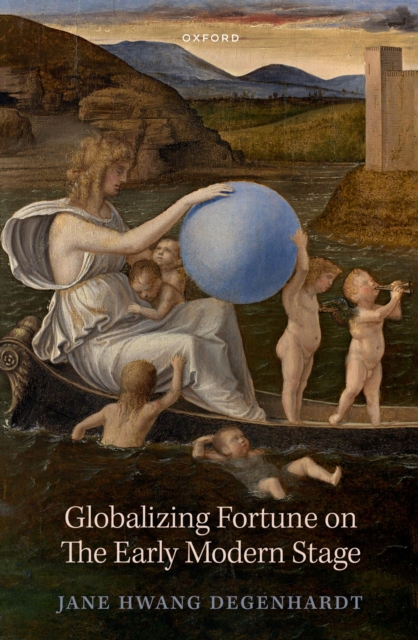
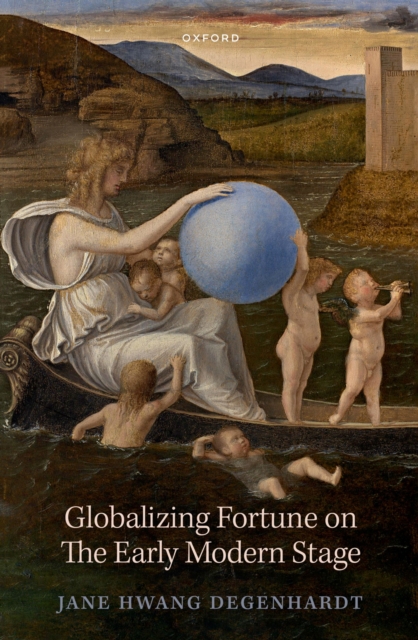
How were understandings of chance, luck, and fortune affected by early capitalist developments such as the global expansion of English trade and colonial exploration?
How were understandings of chance, luck, and fortune affected by early capitalist developments such as the global expansion of English trade and colonial exploration?
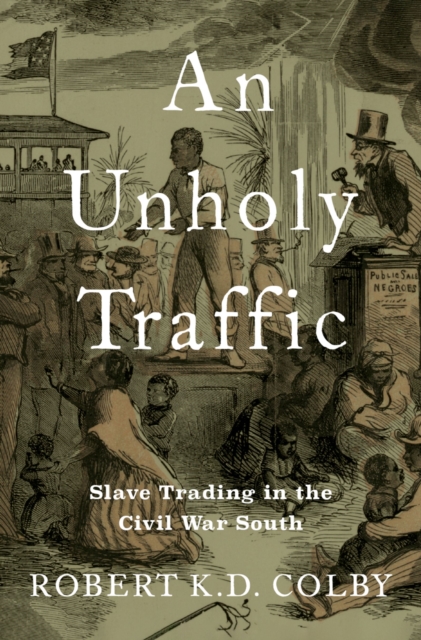
The Confederate States of America was born in defense of slavery and, after a four-year struggle to become an independent slaveholding republic, died as emancipation dawned.
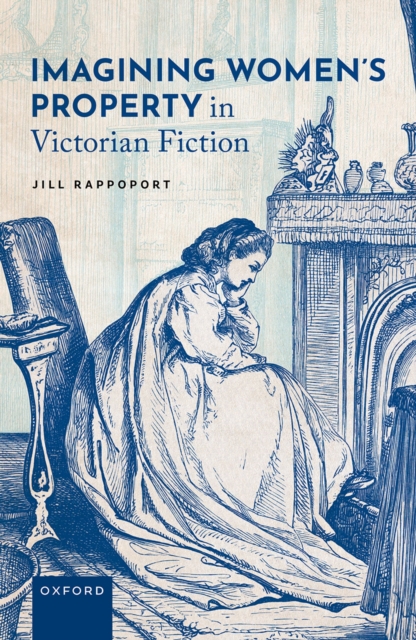
Imagining Women's Property in Victorian Fiction reframes how we think about Victorian women's changing economic rights and their representation in nineteenth-century novels.
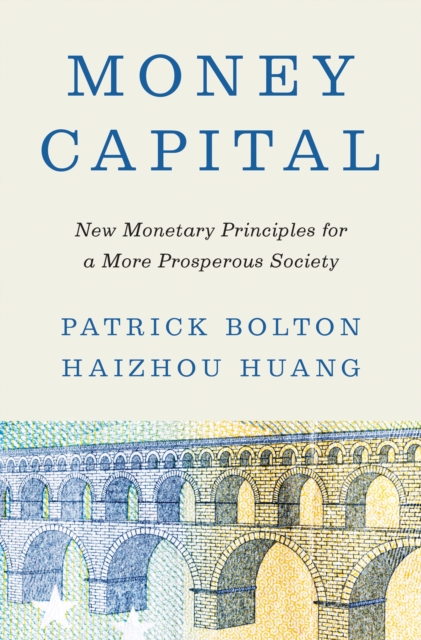
A novel perspective on monetary and fiscal policy that views money as the equity capital of a nationA conventional economic theory, monetarism, holds that inflation is a monetary phenomenon driven by changes in the supply of money.
A novel perspective on monetary and fiscal policy that views money as the equity capital of a nationA conventional economic theory, monetarism, holds that inflation is a monetary phenomenon driven by changes in the supply of money.
How the social organization of Europe and China shaped their divergent economic and political trajectories over the past millenniumIn the eleventh century, when Europe was still backward and poor, China was a rich and sophisticated civilization.
For the past two decades, trade policy has been high on the American political agenda, thanks to the growing integration of the United States into the global economy and the wealth of debate this development has sparked.
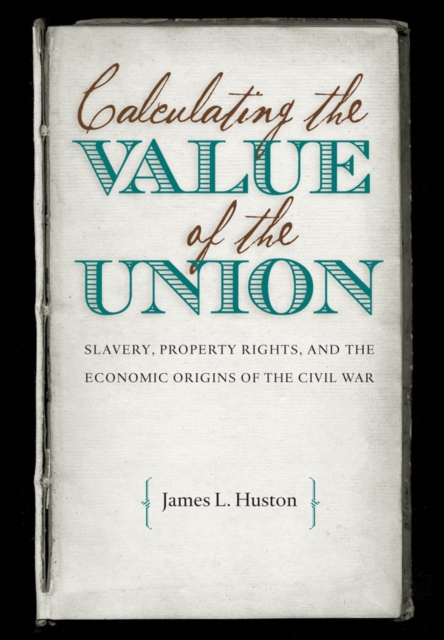
While slavery is often at the heart of debates over the causes of the Civil War, historians are not agreed on precisely what aspect of slavery with its various social, economic, political, cultural, and moral ramifications gave rise to the sectional rift.
While slavery is often at the heart of debates over the causes of the Civil War, historians are not agreed on precisely what aspect of slavery with its various social, economic, political, cultural, and moral ramifications gave rise to the sectional rift.
Notwithstanding the myriad forms of government assistance to American business, the relationship of business to politics in the United States remains a highly antagonistic one, characterized by substantial mutual distrust.
Fictions of Finance at the End of an American Century explores how an economy determines the language of those who live among its imperatives--and how it makes available to them the stories that they can and cannot tell, and the manner of their telling.
Fictions of Finance at the End of an American Century explores how an economy determines the language of those who live among its imperatives--and how it makes available to them the stories that they can and cannot tell, and the manner of their telling.
A radical revisionand worker's-eye viewof everything we thought we knew about the ancient Roman economyThe story of ancient Rome is predominantly one of great men with great fortunes.