Robert Owen (1771-1858) was the founder of British socialism, and one of the most influential reformers in Britain and America in the first half of the 19th century.
Despite rich archives of work on race and the global economy, most notably by scholars of colour and Global South intellectuals, the discipline of Political Economy has largely avoided an honest confrontation with how race works within the domains it studies, not least within markets.
Despite rich archives of work on race and the global economy, most notably by scholars of colour and Global South intellectuals, the discipline of Political Economy has largely avoided an honest confrontation with how race works within the domains it studies, not least within markets.
In Liberal Progressivism, Gordon Hak makes the case for the value of theory and philosophy in understanding the day-to-day political realm of elections, politicians, scandals, fund-raising, and law-making.
In Liberal Progressivism, Gordon Hak makes the case for the value of theory and philosophy in understanding the day-to-day political realm of elections, politicians, scandals, fund-raising, and law-making.
Social science theorists from various scholarly disciplines have contributed to a recent literature that examines how the finance industry has expanded and now wields increasing influence across a variety of economic fields and industries.
Social science theorists from various scholarly disciplines have contributed to a recent literature that examines how the finance industry has expanded and now wields increasing influence across a variety of economic fields and industries.
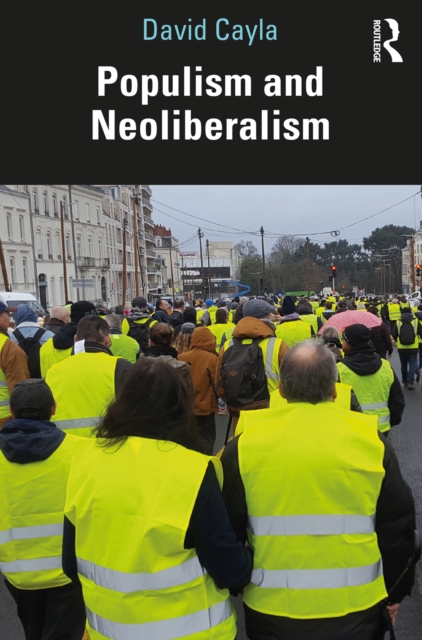
Populism and Neoliberalism argues that the roots of populism lay in the contradiction between the democratic ideal, which implies that the people should decide, and neoliberal governance, which seeks to make markets and competition the arbiters of major social developments.
Populism and Neoliberalism argues that the roots of populism lay in the contradiction between the democratic ideal, which implies that the people should decide, and neoliberal governance, which seeks to make markets and competition the arbiters of major social developments.
This book explores, through an ethnographic examination of life stories of wealthy men, a historical analysis of the moral meanings of wealth and power in Western capitalism, and a mapping of different symbolic spaces in contemporary American culture.
In the tradition of Milton Friedman's 1962 classic, Capitalism and Freedom, Lansing Pollock draws on moral, political, and economic theory to defend a libertarian vision of the good society.
This book explores the process of economic liberalisation in Latin America and revises the transition from the import substitution industrialisation model to market-oriented reforms.
This book explores the process of economic liberalisation in Latin America and revises the transition from the import substitution industrialisation model to market-oriented reforms.
This book explores, through an ethnographic examination of life stories of wealthy men, a historical analysis of the moral meanings of wealth and power in Western capitalism, and a mapping of different symbolic spaces in contemporary American culture.
In the tradition of Milton Friedman's 1962 classic, Capitalism and Freedom, Lansing Pollock draws on moral, political, and economic theory to defend a libertarian vision of the good society.
Revisiting the magnetic poles of Karl Polanyi and Friedrich Hayek on the utopian springs of political economy, this book seeks to provide a compass for questioning the market economy of the twenty-first century.
Revisiting the magnetic poles of Karl Polanyi and Friedrich Hayek on the utopian springs of political economy, this book seeks to provide a compass for questioning the market economy of the twenty-first century.
This volume offers insights into ongoing global socioeconomic transformations by directing attention to the significance of labour, work, craft, community, social institutions, social movements and emergent subjectivities in different parts of the world.
This volume offers insights into ongoing global socioeconomic transformations by directing attention to the significance of labour, work, craft, community, social institutions, social movements and emergent subjectivities in different parts of the world.
By using the concept of capitalism as a "e;form of life"e;, the authors in this volume reconceive capitalism, its mechanisms and effects on our bodies and on our common life.
By using the concept of capitalism as a "e;form of life"e;, the authors in this volume reconceive capitalism, its mechanisms and effects on our bodies and on our common life.
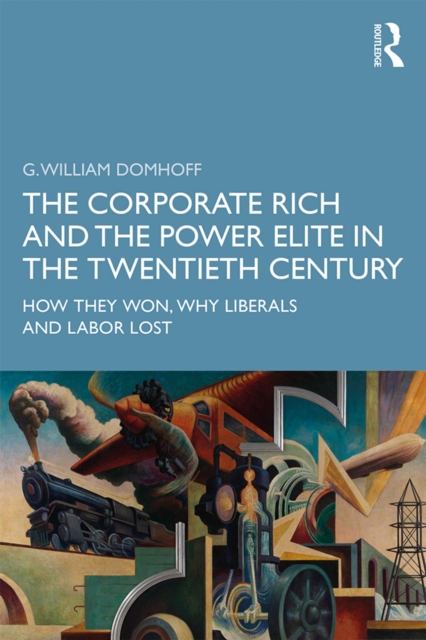
The Corporate Rich and the Power Elite in the Twentieth Century demonstrates exactly how the corporate rich developed and implemented the policies and created the government structures that allowed them to dominate the United States.
Work Under Capitalism synthesizes recent institutionalist and Marxist ideas about the organization of production, situating production within a social context.
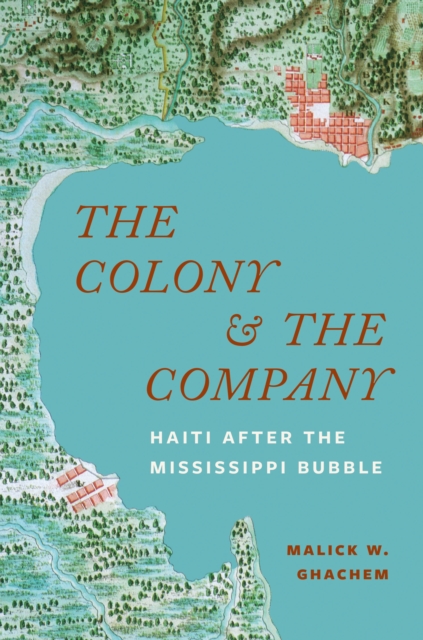
A new account of how Haiti under French colonial rule became a violent sugar plantation stateIn the early eighteenth century, France turned to its New World colonies to help rescue the monarchy from the wartime debts of Louis XIV.
A Brookings Institution Press and American Enterprise Institute publicationWhen should government intervene in market activity and when is it best to let market forces take their natural course?
Ecosocialism: Climate Change, Socialism and Democracy maps out a political path for green transition which is both desirable and practicable - without avoiding its difficulties - giving the fight for climate justice real mobilising power.
How the booming Islamic finance industry became an ultramodern hybrid of religion and marketsIn just fifty years, Islamic finance has grown from a tiny experiment operated from a Volkswagen van to a thriving global industry worth more than the entire financial sector of India, South America, or Eastern Europe.