Sovereign debt crises are a little like the weather: One can get ready to endure them and maybe take some steps to lessen their impact, but so far it hasn't been possible to prevent them.
China's explosive transformation from a planned economy to a more market-oriented one over the past three decades owes much to the charismatic reformer Zhu Rongji.
As businesses, consumers, and investors make key financial decisions amid Economic Policy Uncertainty (EPU), there is the danger that many might freeze investment projects and hiring, leading to contractions of the economy.
As businesses, consumers, and investors make key financial decisions amid Economic Policy Uncertainty (EPU), there is the danger that many might freeze investment projects and hiring, leading to contractions of the economy.
THE SUNDAY TIMES AND NEW YORK TIMES BESTSELLER'Galvanizing and uplifting' The Guardian'Bernie Sanders has changed US politics forever' Owen JonesIt's OK to be angry about capitalism.
Taxation and Inequality in Latin America takes a heterodox political economy approach, focusing on Latin America, where current problems of taxation have existed for a century and great wealth contrasts with abject poverty.
Taxation and Inequality in Latin America takes a heterodox political economy approach, focusing on Latin America, where current problems of taxation have existed for a century and great wealth contrasts with abject poverty.
Capitalism is often held to be the best of all possible worlds, or even the only possible world, in which the market is underpinned by the highest principles of rationality, efficiency, and compatibility with democracy.
Volume 41A of Research in the History of Economic Thought and Methodology features a symposium on "e;Religion, the Scottish Enlightenment, and the Rise of Liberalism,"e; a new research essay by Syed Mohib Ali, and a roundtable on the institutionalist economics of Geoffrey Hodgson.
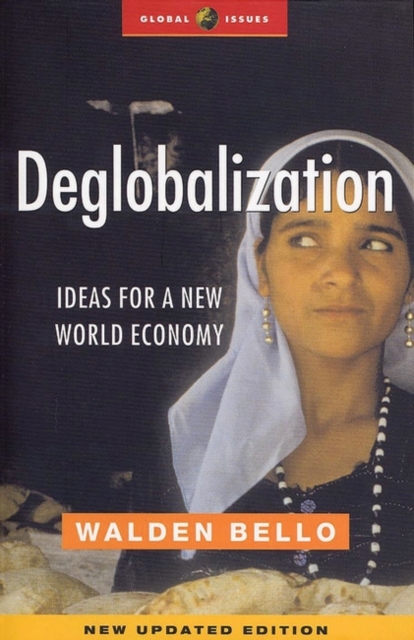
How to manage the global economy - and, more fundamentally, whether humanity wishes it to go in an ever more market-oriented, transnational corporation-dominated, and capital-footloose direction - is the most important international question of our time.
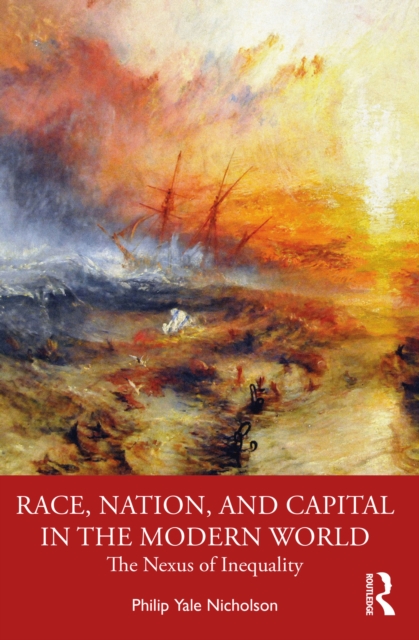
Race, Nation, and Capital in the Modern World is a comprehensive yet concise book that traces the history of racism, nationalism and capitalism from their combined origins at the end of the fifteenth century to the present.
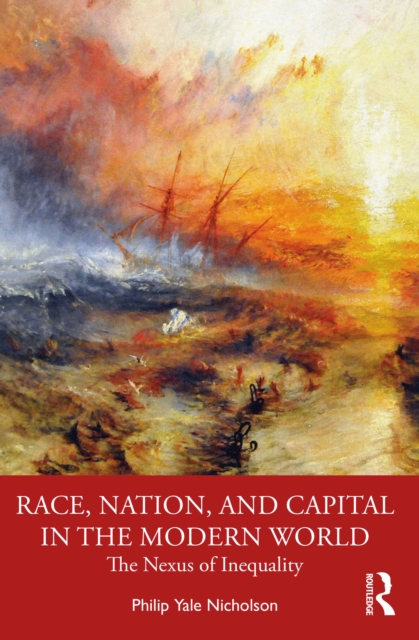
Race, Nation, and Capital in the Modern World is a comprehensive yet concise book that traces the history of racism, nationalism and capitalism from their combined origins at the end of the fifteenth century to the present.
This report shows how the Lao People's Democratic Republic (Lao PDR) can leverage its regional position to boost trade, increase agriculture, and harness the power of its cities to promote inclusive and equitable growth.
Hyungkee Kim analyses the model of East Asian development as it existed during periods of high growth and how it was transformed by pressures from both the Washington consensus and its own internal contradictions.
Hyungkee Kim analyses the model of East Asian development as it existed during periods of high growth and how it was transformed by pressures from both the Washington consensus and its own internal contradictions.
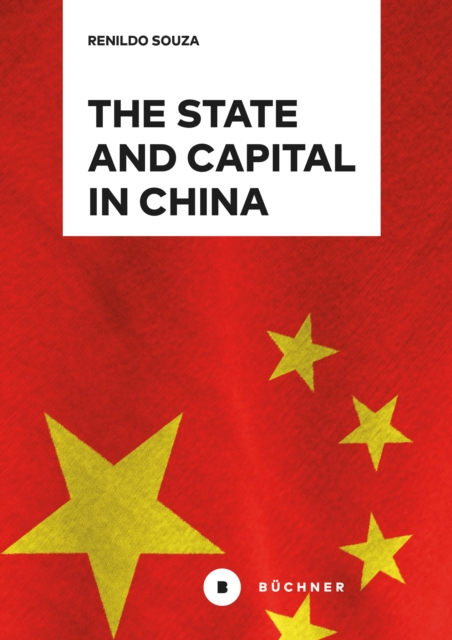
The State and Capital in China offers a critical interpretation of Chinese recent history, scrutinizing the political and economic turnaround post-1978.
This book offers a critical reconstruction of the double movement, the central thesis of Karl Polanyi's The Great Transformation, one of the most influential books of the 20th century.
This book offers a critical reconstruction of the double movement, the central thesis of Karl Polanyi's The Great Transformation, one of the most influential books of the 20th century.
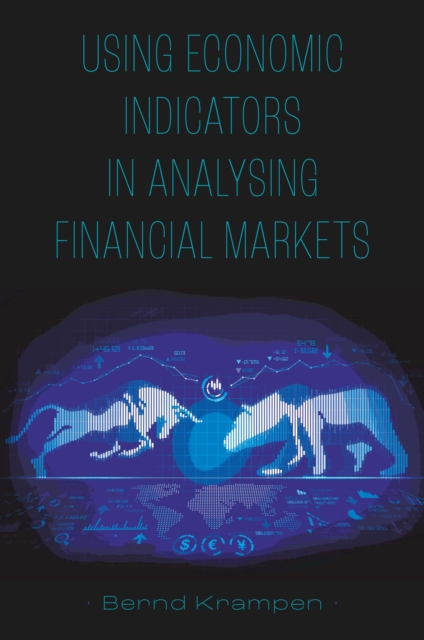
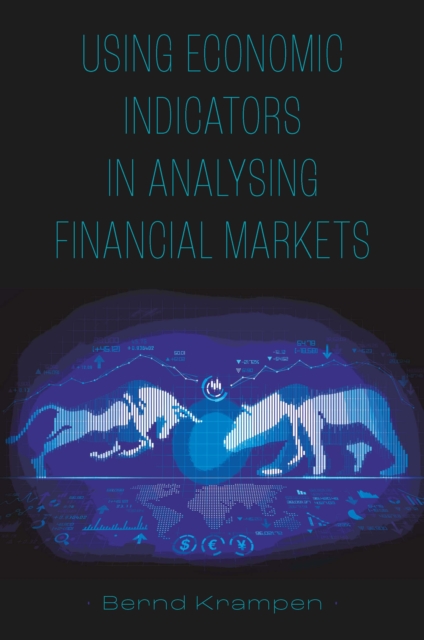
Economic indicators provide invaluable insights into how different economies and financial markets are performing, enabling practitioners to adjust their investment strategies in order to gain knowledge about markets and to achieve higher returns.
Economic indicators provide invaluable insights into how different economies and financial markets are performing, enabling practitioners to adjust their investment strategies in order to gain knowledge about markets and to achieve higher returns.
This volume examines how urban potentiality emerges in performances that reclaim the city, acting as an emancipatory force when dominant patterns of urban behaviour are thrown into crisis.
The answer to remaining competitive and keeping steady growth for your business is not ground-breaking, business-altering innovations, but by simply making one tweak at a time.
This book taps into both success stories and cautionary tales from others to provide you with a smart, calculated approach to knowing both: 1) when to change course and 2) how to pull it off.
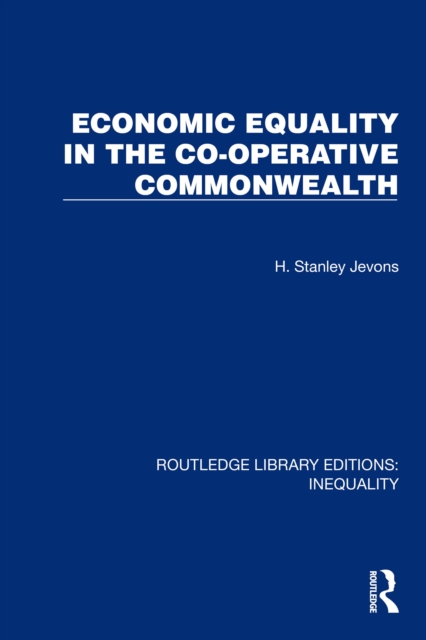
Originally published in 1933 in the midst of the Great Depression, this book discussed the possibility of a new and orderly economic system to realize social justice.
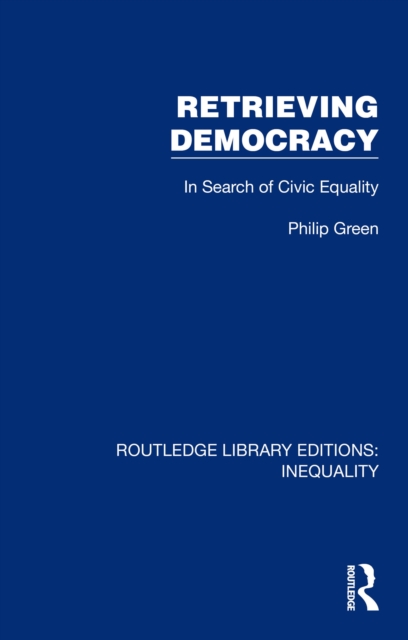
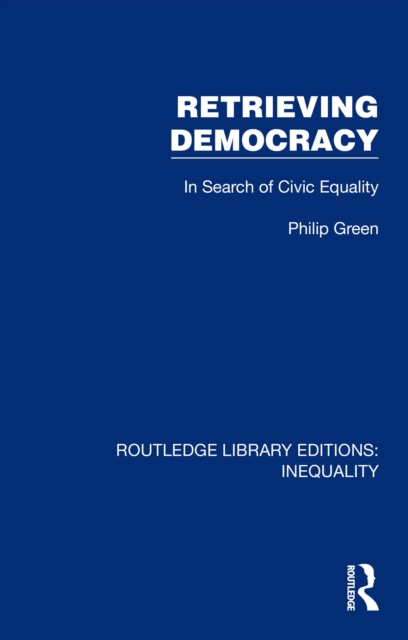
Originally published in 1985, Retrieving Democracy offers a thorough and systematic answer to the familiar objection that genuine democracy is utopian.
Originally published in 1933 in the midst of the Great Depression, this book discussed the possibility of a new and orderly economic system to realize social justice.
Originally published in 1985, Retrieving Democracy offers a thorough and systematic answer to the familiar objection that genuine democracy is utopian.
Averting Climate Catastrophe Together addresses the necessity of meeting the Paris Agreement temperature target and explores what framework could enable climate action in an effective, efficient and equitable manner that is consistent with that goal.
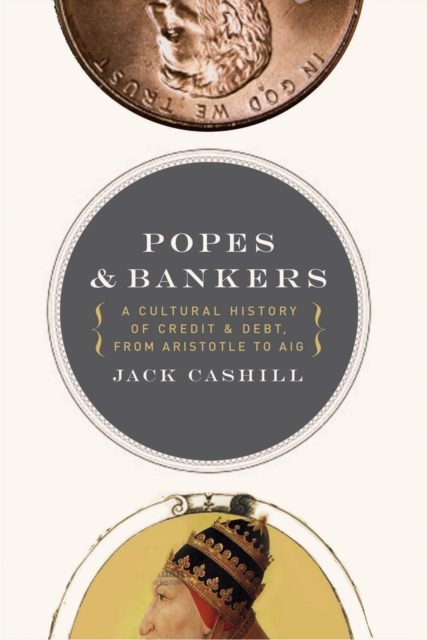
El sector financiero ha logrado representarse a sí mismo como parte de la economía productiva, pero durante siglos la banca fue considerada parasitaria, y la esencia del parasitismo no es solo agotar la nutrición del huésped, sino también embotar su cerebro para que no reconozca que el parásito está allí.
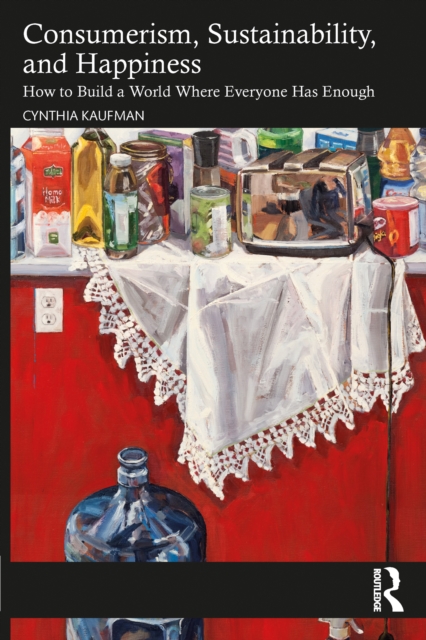
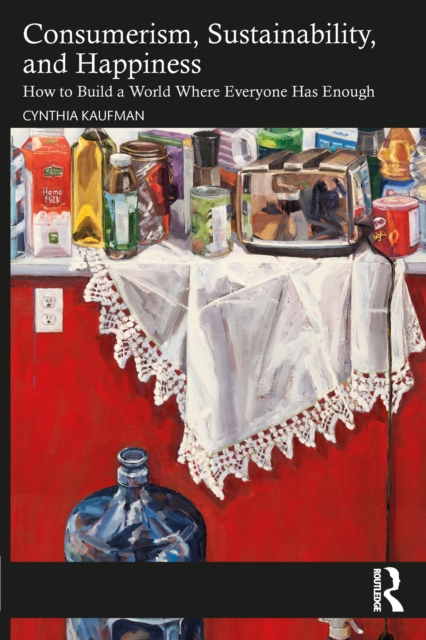
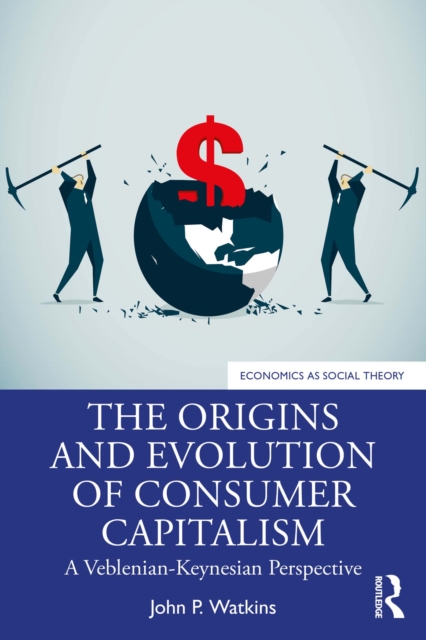
Consumer capitalism arose with the second industrial revolution, the application of continuous-mass production to consumer goods during the late nineteenth and early twentieth centuries.
Consumer capitalism arose with the second industrial revolution, the application of continuous-mass production to consumer goods during the late nineteenth and early twentieth centuries.