This book considers why institutional forms of modern capitalist economies differ internationally, and proposes a typology of capitalism based on the theory of institutional complementarity.
Much of the received wisdom about the world of work emphasizes the marketization of the employment relationship; the decline of class-based forms of inequality, and the individualization of employment relations.
Since the early 1990s, Europe's economies have been facing several new challenges: the single market programme, the collapse of the Berlin wall and eastward enlargement, and monetary unification.
The interventions of crisis management during the 2007 to 2011 financial crisis were not simply responses to a set of given developments in markets, banking or neo-liberal capitalism.
This edition contains generous selections from all five volumes of The Wealth of Nations, and places Smith's inquiry into its historical, intellectual, and cultural context.
This edited volume is about the Australian difference and how Australia's economic and social policy has diverged from the approach of other countries.
This edited volume is about the Australian difference and how Australia's economic and social policy has diverged from the approach of other countries.
This book fills an important gap in the knowledge about labor market conditions in Egypt in the aftermath of the Arab Spring uprisings, and it analyzes the results of the latest round of the Egypt Labor Market Panel Survey carried out in early 2012.
This book fills an important gap in the knowledge about labor market conditions in Egypt in the aftermath of the Arab Spring uprisings, and it analyzes the results of the latest round of the Egypt Labor Market Panel Survey carried out in early 2012.
The Liberal Party and the Economy, 1929-1964 explores the reception, generation, and use of economic ideas in the British Liberal Party between its electoral decline in the 1920s and 1930s, and its post-war revival under Jo Grimond.
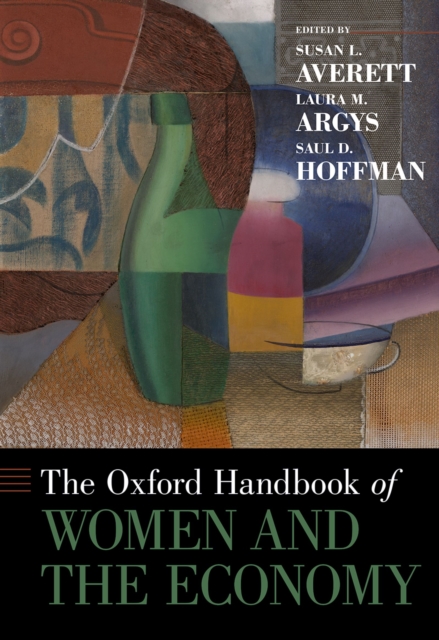
The transformation of women's lives over the past century is among the most significant and far-reaching of social and economic phenomena, affecting not only women but also their partners, children, and indeed nearly every person on the planet.
Recent elections in the advanced western democracies have undermined the basic foundations of political systems that had previously beaten back all challenges -- from both the left and the right.
Recent elections in the advanced western democracies have undermined the basic foundations of political systems that had previously beaten back all challenges -- from both the left and the right.
The first book length study of property-owning democracy, Republic of Equals argues that a society in which capital is universally accessible to all citizens is uniquely placed to meet the demands of justice.
The transformation of women's lives over the past century is among the most significant and far-reaching of social and economic phenomena, affecting not only women but also their partners, children, and indeed nearly every person on the planet.
Global capitalism is affected by the malaises of stagnation, financial fragility, increased income inequality, growing wealth concentration at the top, and a vanishing fair social contract.
Global capitalism is affected by the malaises of stagnation, financial fragility, increased income inequality, growing wealth concentration at the top, and a vanishing fair social contract.
The first book length study of property-owning democracy, Republic of Equals argues that a society in which capital is universally accessible to all citizens is uniquely placed to meet the demands of justice.
As Frances Fox Piven and Richard Cloward argued in the early seventies, in a capitalist economy, social welfare policies alternatingly serve political and economic ends as circumstances dictate.
With real case stories, Wells and Ahmed bring to life both the hopes for and the failures of international guarantees of property rights for investors in the developing world.
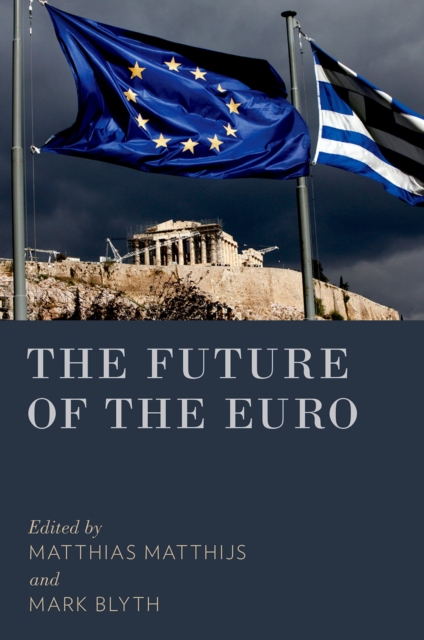
In The Future of the Euro, a group of the world's top political economists analyze the fundamental causes of the euro crisis, determine how it can be fixed, and consider what likely futures lie ahead for the currency.
As Frances Fox Piven and Richard Cloward argued in the early seventies, in a capitalist economy, social welfare policies alternatingly serve political and economic ends as circumstances dictate.