Mit der Schrift Zur Kritik der politischen Ökonomie hat Karl Marx im Jahr 1859 erstmals eine ausgearbeitete Form seiner Theorie der kapitalistischen Produktionsweise veröffentlicht, die er und Engels in den 3 Bänden Das Kapital, erschienen 1867, 1885 und 1894, später ausführlich darstellten.
Lohn, Preis und Profit ist die Bezeichnung eines Vortragsmanuskripts von Karl Marx aus dem Jahre 1865, welches erstmals 1898 von Marx' Tochter Eleanor veröffentlichte wurde.
Von Anfang an ging es den Wirtschaftsdenkern um die Suche nach den Naturgesetzen des menschlichen Zusammenlebens, nach denen Wohlstand geschaffen und verteilt wird.
Noch vor wenigen Jahrzehnten galten Märkte als Institutionen, mit denen sich Probleme in nahezu allen gesellschaftlichen Bereichen effizient und zum Vorteil aller Bürgerinnen und Bürger lösen lassen.
Die Verfasserin untersucht mit dem Verhältnis von Ethik und Ökonomie ein höchst aktuelles Thema und zeigt, wie Hegels Bestimmungen dieses Verhältnisses für heutige Bemühungen wegweisend sein können.
Die frühen, erstmals 1932 aus dem Nachlass publizierten »Ökonomisch-philosophischen Manuskripte« (auch: Pariser Manuskripte) bieten einen Schlüsseltext für das philosophische Verständnis des Marxschen Gesamtwerks, der Antrieb und Zielpunkt seines Denkens offenlegt, also das benennt, was in den ökonomischen Analysen der späteren Zeit vorausgesetzt, aber nicht mehr ausgesprochen wird.
Die Lebenssituation vieler Menschen ist in den vergangenen Jahrzehnten besser geworden nicht zuletzt durch das Wirtschaften auf überwiegend kapitalistischen Grundlagen, inklusive voranschreitender Globalisierung.
Die Lebenssituation vieler Menschen ist in den vergangenen Jahrzehnten besser geworden nicht zuletzt durch das Wirtschaften auf überwiegend kapitalistischen Grundlagen, inklusive voranschreitender Globalisierung.
Ein KlassikerErschienen 1776, also vor rund 240 Jahren, gilt ›Der Wohlstand der Nationen‹ nach wie vor als einer der einflussreichsten Texte der Neuzeit, als Geburtsstunde der Volkswirtschaftslehre.
Der spätere Nobelpreisträger, indische Wirtschaftswissenschaftler und Philosoph Amartya Sen hielt in Stanford – im Rahmen der berühmten »Tanner Lectures« – einen Vortrag, der unser Denken über Entwicklungshilfe und Verteilungsgerechtigkeit nachhaltig erschüttern sollte: Mit Bezug auf die Gerechtigkeitstheorie des Philosophen John Rawls führte er seine These aus, dass es nicht um die Verteilung von Gütern oder Geld (z.
"e;A Contribution to The Critique Of The Political Economy"e; is an analysis of capitalism and quantity theory of money, achieved by critiquing the writings of the leading theoretical exponents of capitalism at that time: these were the political economists, nowadays often referred to as the classical economists; Adam Smith and David Ricardo.
Ein augenöffnender philosophischer Beitrag zur Debatte um Umwelt und Kapitalismus: Der französische Philosoph Pierre Charbonnier gilt als »der neue philosophische Kopf einer politischen Ökologie« (so die französische Zeitschrift Libération).
Von den Körperzeichen über den Buchdruck zu Smartphone und künstlicher Intelligenz: Wenn sich die Medien verändern, ändern sich die Gesellschaft und die Art und Weise, wie wir unsere Bedürfnisse befriedigen.
Contiene tabla de contenido activa (HTML)El tratado de estrategia más influyente del mundoThe Art of War 'es un antiguo tratado militar chino que data del siglo V aC y se atribuye al antiguo estratega militar chino Sun Tzu.
Contiene tabla de contenido activa (HTML)El tratado de estrategia más influyente del mundoThe Art of War 'es un antiguo tratado militar chino que data del siglo V aC y se atribuye al antiguo estratega militar chino Sun Tzu.
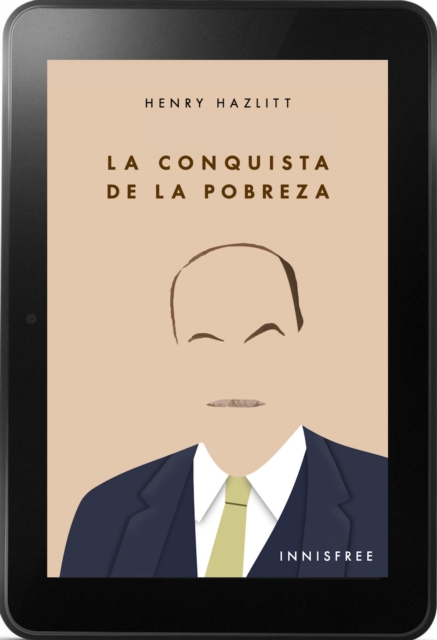
La conquista de la pobreza de Henry Hazlitt es uno de los libros más valiosos para quien pretenda entender el fenómeno de la pobreza en el mundo actual.
The general assumption that social policy should be utilitarian--that society should be organized to yield the greatest level of welfare--leads inexorably to increased government interventions.
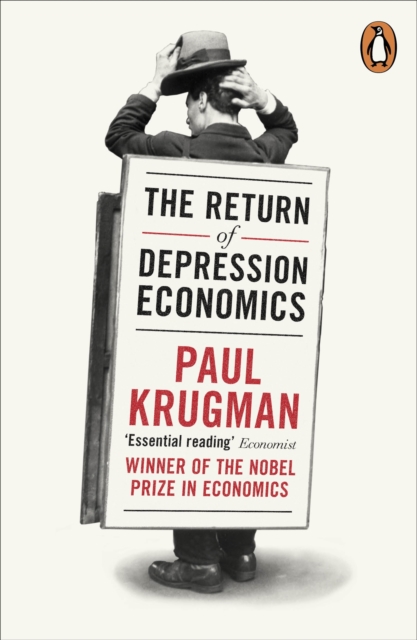
Paul Krugman, winner of the 2008 Nobel Prize in economics, shows how today's crisis parallels the events that caused the Great Depression - and explains what it will take to avoid catastrophe.
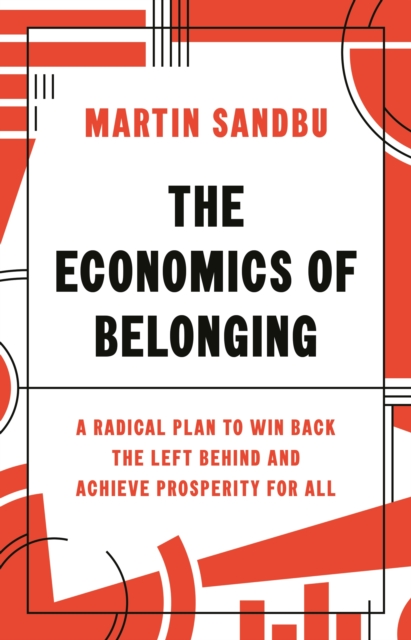
A radical new approach to economic policy that addresses the symptoms and causes of inequality in Western society todayFueled by populism and the frustrations of the disenfranchised, the past few years have witnessed the widespread rejection of the economic and political order that Western countries built up after 1945.