A comprehensive, global review of the impact ships have on the environment, covering pollutant discharges, non-pollutant impacts and international legislation.
A comprehensive, global review of the impact ships have on the environment, covering pollutant discharges, non-pollutant impacts and international legislation.
World''s foremost experts explain how polycentric thinking can enhance societal attempts to govern climate change, for researchers, practitioners, advanced students.
World''s foremost experts explain how polycentric thinking can enhance societal attempts to govern climate change, for researchers, practitioners, advanced students.
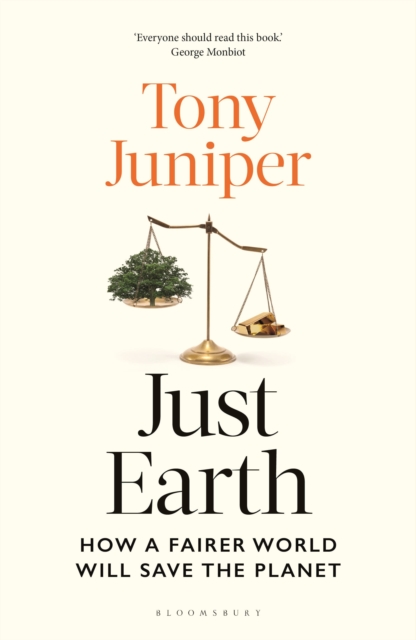
'Everyone should read this book' - George Monbiot'A compelling read for anyone who cares about all lives on our planet' - Tanya Steele CBE, CEO of WWF UKIn this extraordinary and hopeful book, leading environmentalist Tony Juniper CBE identifies the real problem at the heart of the climate and nature crises.
This book provides insights into the role of environmental management accounting practices and the impact of various governance aspects dedicated to the environment in enhancing corporate environmental performance.
Ahora contaminamos nosotros utiliza como título un argumento oído a menudo en las negociaciones sobre el cambio climático, donde las naciones menos desarrolladas sugieren que dado que las naciones desarrolladas generaron la mayor parte de la contaminación del pasado, ahora tienen la obligación histórica de satisfacer los costes asociados con la atenuación del cambio climático o la adaptación al mismo.
Overview of the ''new extractivist paradigm'' which could bring viable futures for Arctic communities, including renewable energies, tourism, and science.
Overview of the ''new extractivist paradigm'' which could bring viable futures for Arctic communities, including renewable energies, tourism, and science.
This book is a comprehensive guide to community engagement and investment, beginning with a survey of community-related voluntary standards and then turning to strategy and management, community engagement, community investment and reporting and communications on community-related activities.
Presents chapters by leading international experts on global change and sustainable development in the Asia-Pacific region for researchers and policy makers.
Building on insights from ecological economics and philosophy of technology, this book offers a novel, interdisciplinary approach to understand the contradictory nature of Solar photovoltaic (PV) technology.
Building on insights from ecological economics and philosophy of technology, this book offers a novel, interdisciplinary approach to understand the contradictory nature of Solar photovoltaic (PV) technology.
Advances in Renewable Energy and Sustainable Development focuses on cutting-edge research areas including renewable energy and sustainable development.
Advances in Renewable Energy and Sustainable Development focuses on cutting-edge research areas including renewable energy and sustainable development.
Despite the dynamic development of the discipline of economics, the ways in which economics is taught and how it defines its basic principles have hardly changed, resulting in economics being criticised for its inability to provide relevant insights on global challenges.
Despite the dynamic development of the discipline of economics, the ways in which economics is taught and how it defines its basic principles have hardly changed, resulting in economics being criticised for its inability to provide relevant insights on global challenges.
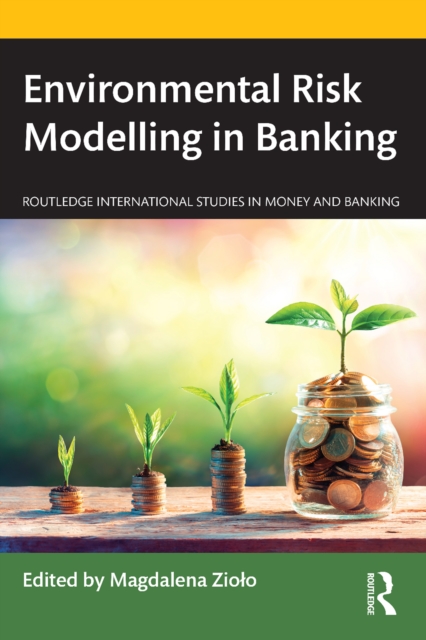
Environmental risk directly affects the financial stability of banks since they bear the financial consequences of the loss of liquidity of the entities to which they lend and of the financial penalties imposed resulting from the failure to comply with regulations and for actions taken that are harmful to the natural environment.
Environmental risk directly affects the financial stability of banks since they bear the financial consequences of the loss of liquidity of the entities to which they lend and of the financial penalties imposed resulting from the failure to comply with regulations and for actions taken that are harmful to the natural environment.
The Low-Carbon Good Life is about how to reverse and repair four interlocking crises arising from modern material consumption: the climate crisis, growing inequality, biodiversity loss and food-related ill-health.
The Low-Carbon Good Life is about how to reverse and repair four interlocking crises arising from modern material consumption: the climate crisis, growing inequality, biodiversity loss and food-related ill-health.
As carbon dioxide is the most important source of greenhouse gases today, its emission quantity has become a primary focus of governments, scholars, and the general public.
The COVID-19 pandemic has laid bare the vulnerabilities of socio-economic systems globally and exposed the risks that natural capital degradation imposes on human health, economy, and society.