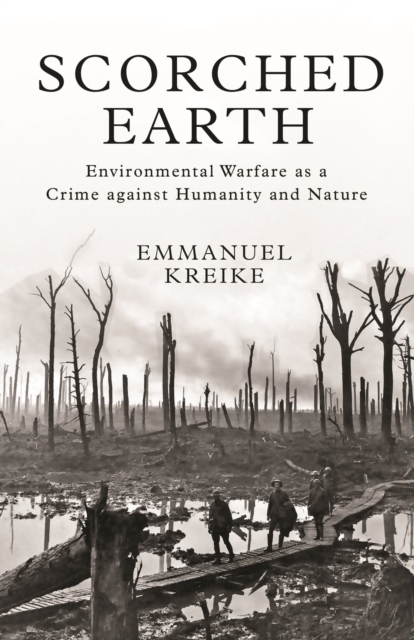
A global history of environmental warfare and the case for why it should be a crimeThe environmental infrastructure that sustains human societies has been a target and instrument of war for centuries, resulting in famine and disease, displaced populations, and the devastation of people's livelihoods and ways of life.
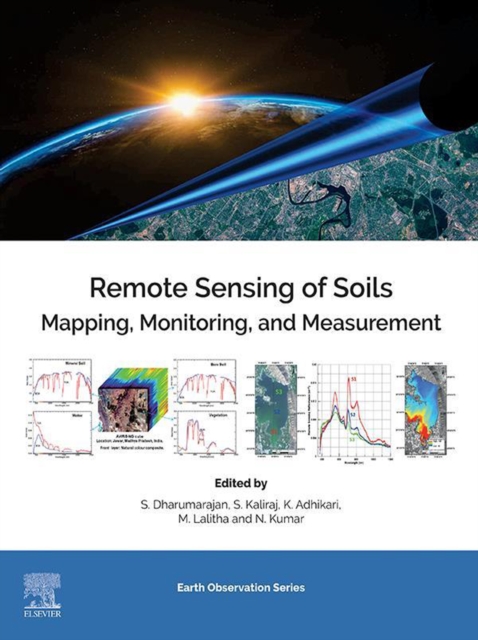
Remote Sensing of Soils: Mapping, Monitoring and Measurement covers the basic, theoretical and scientific concepts of multidisciplinary subjects, including sections that relate to soil sciences, remote sensing, geoinformatics, geomatics, civil and water resource engineering, geography, agriculture, disaster management and the earth and environmental sciences.
This Green Book provides the design engineer with an understanding of the electrical parameters and methods required in designing compact AC and DC lines.
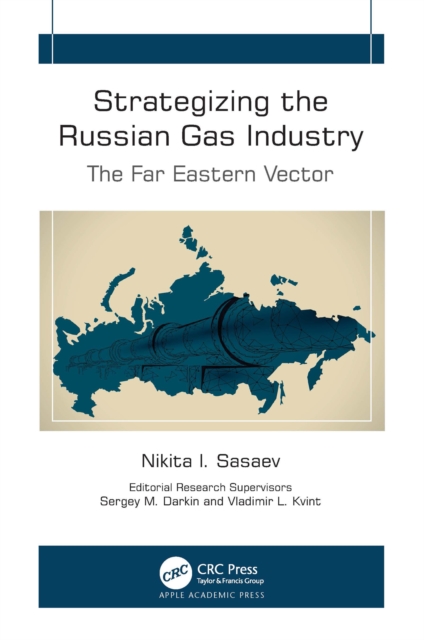
The new volume aims to form the concept of the Russian Far East gas industry strategy, taking into account the entire range of interests, strategic trends, and opportunities.
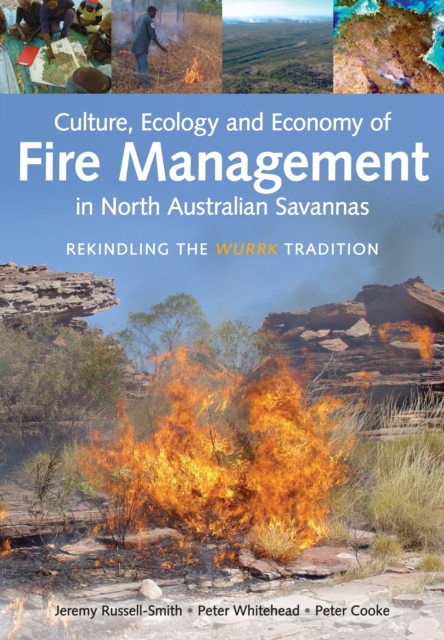
This engaging volume explores the management of fire in one of the world’s most flammable landscapes: Australia’s tropical savannas, where on average 18% of the landscape is burned annually.
Markets for Water: Potential and Performance dispels many of the myths surrounding water markets and gives readers a comprehensive picture of the way that markets have developed in different parts of the world.
Urban slum dwellersespecially in emerging-economy countriesare often poor, live in squalor, and suffer unnecessarily from disease, disability, premature death, and reduced life expectancy.
Encountering Povertychallenges mainstream frameworks of global poverty by going beyond the claims that poverty is a problem that can be solved through economic resources or technological interventions.
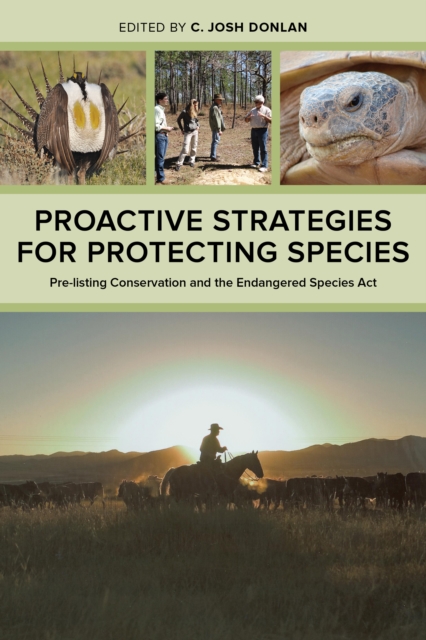
Now forty years old, the Endangered Species Act (ESA) remains a landmark act in conservation and one of the world's most comprehensive laws designed to prevent species extinctions and support recovery efforts for imperiled species.
The grim history of Nauru Island, a small speck in the Pacific Ocean halfway between Hawaii and Australia, represents a larger story of environmental degradation and economic dysfunction.
In response to the damage caused by a growth-led global economy, researchers across the world started investigating the association between environmental pollution and its possible determinants using different models and techniques.
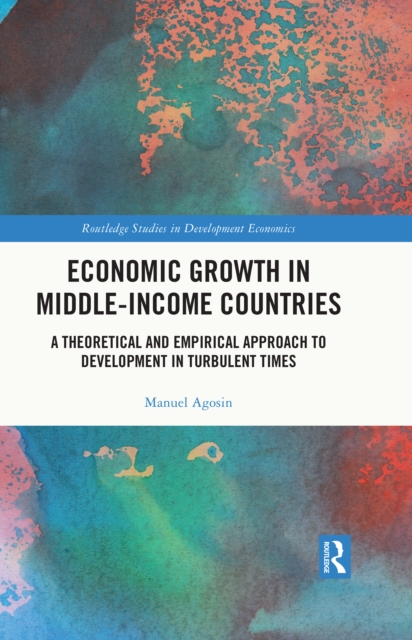
This book develops a theoretical framework unlike the conventional neoclassical paradigm for the analysis of growth and deploys analytical data to understand the main policy issues affecting developing countries, with particular attention to countries which, after having a spurt of growth, have been unable to maintain the momentum of their economies.
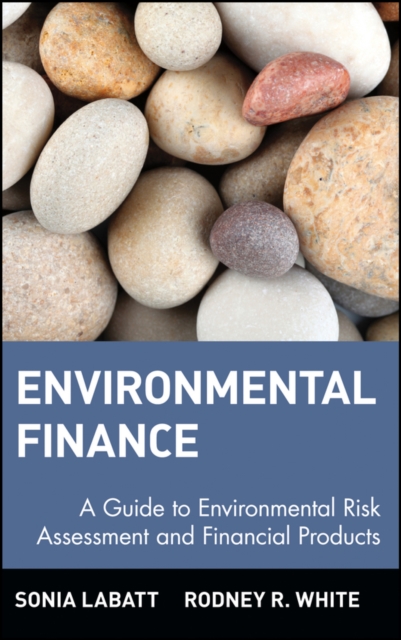
An engaging and comprehensive look at the intersection of financial innovation and the environment This unique book provides readers with a comprehensive look at the new markets being created to help companies manage environmental risks, including weather derivatives, catastrophe bonds, and emission trading permits.
Economics, Ethics, and Environmental Policy: Contested Choices offers a comprehensive analysis of the ethical problems associated with basing environmental policy on economic analysis, and ways to overcome these problems.
Always controversial, Thomas DeGregori has released another classic volume that is sure to inform, confound, and present new perspectives on todays environmental issues.
This book investigates the fundamental role that tropical bioproductivity - or more specifically net primary productivity - has played in shaping the global geographies of food, finance, governance and people.
This book investigates the fundamental role that tropical bioproductivity - or more specifically net primary productivity - has played in shaping the global geographies of food, finance, governance and people.
Anarchism and Ecological Economics: A Transformative Approach to a Sustainable Future explores the idea that anarchism - aimed at creating a society where there is as much freedom in solidarity as possible - may provide an ideal political basis for the goals of ecological economics.
Anarchism and Ecological Economics: A Transformative Approach to a Sustainable Future explores the idea that anarchism - aimed at creating a society where there is as much freedom in solidarity as possible - may provide an ideal political basis for the goals of ecological economics.
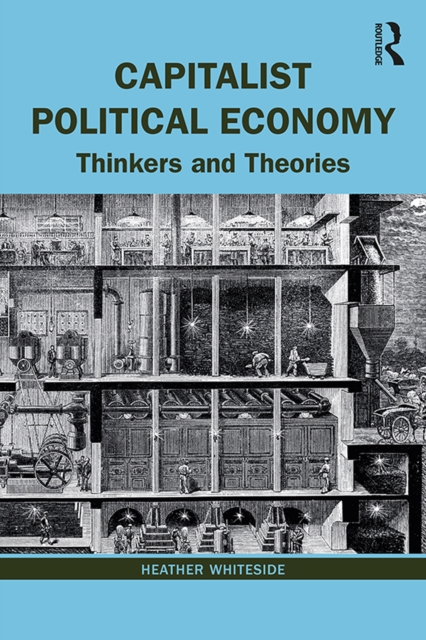
Winner of the Rik Davidson/Studies in Political Economy 2022 Book PrizeA key text, Capitalist Political Economy: Thinkers and Theories analyses the field-forming theoretical contributions to political economy that have defined, debated, critiqued, and defended capitalism for more than three centuries.
Winner of the Rik Davidson/Studies in Political Economy 2022 Book PrizeA key text, Capitalist Political Economy: Thinkers and Theories analyses the field-forming theoretical contributions to political economy that have defined, debated, critiqued, and defended capitalism for more than three centuries.
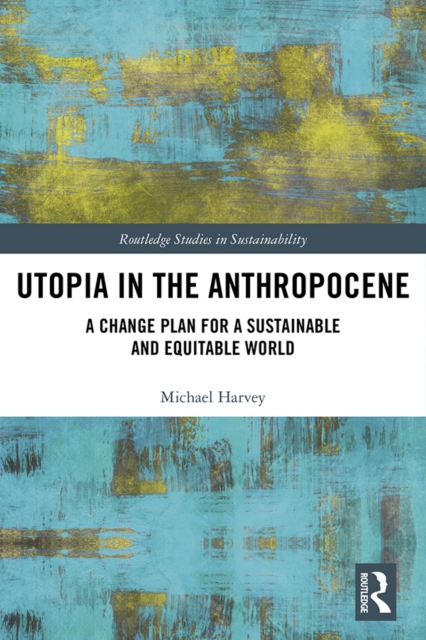
Utopia in the Anthropocene takes a cross-disciplinary approach to analyse our current world problems, identify the key resistance to change and take the reader step by step towards a more sustainable, equitable and rewarding world.
Utopia in the Anthropocene takes a cross-disciplinary approach to analyse our current world problems, identify the key resistance to change and take the reader step by step towards a more sustainable, equitable and rewarding world.
Published in 1999, the book is the proceedings volume of the 23rd International Conference of Agricultural Economists, held in Sacramento, California, in August 1997.
Published in 1999, the book is the proceedings volume of the 23rd International Conference of Agricultural Economists, held in Sacramento, California, in August 1997.
As carbon dioxide is the most significant source of greenhouse gases today, its emission quantity has become a primary focus of governments, scholars and the general public.
As carbon dioxide is the most significant source of greenhouse gases today, its emission quantity has become a primary focus of governments, scholars and the general public.
First published in 1999, this volume explores the environmental change which is an increasingly serious problem for Third World countries, and one that has a major impact on the health and livelihoods of the world's poor.
First published in 1999, this volume explores the environmental change which is an increasingly serious problem for Third World countries, and one that has a major impact on the health and livelihoods of the world's poor.
First published in 1998, this book provides a broad but in-depth description of the issues, concepts, methods of analysis, and empirical results related to the sustainable development of agriculture and rural communities.
First published in 1998, this book provides a broad but in-depth description of the issues, concepts, methods of analysis, and empirical results related to the sustainable development of agriculture and rural communities.
First published in 1999, this volume is intended to encourage appreciation of the cardinal significance for integrating macroeconomic policy variables and environmental factors and any other relevant externalities into sectoral policy analysis as a tool for improving choice of strategic factors in agricultural development, investment of allocative efficiency in agriculture and environmental protection and overall agricultural development management.
First published in 1999, this volume is intended to encourage appreciation of the cardinal significance for integrating macroeconomic policy variables and environmental factors and any other relevant externalities into sectoral policy analysis as a tool for improving choice of strategic factors in agricultural development, investment of allocative efficiency in agriculture and environmental protection and overall agricultural development management.
Sustainability Accounting and Reporting: Theory and Practice provides a comprehensive guide to understanding and applying the latest global framework for disclosing sustainability-related risks and opportunities by public-sector business entities, irrespective of whether the entity follows IFRS or GAAP.