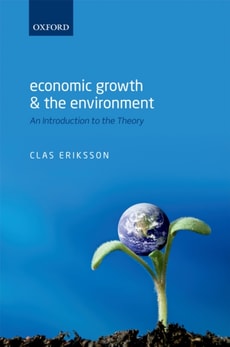
Economic Growth and the Environment explores the debate on how to reconcile economic growth with protection of the natural environment, and the closely related discussion on whether an increasing scarcity of natural resources will eventually force economic growth to cease.
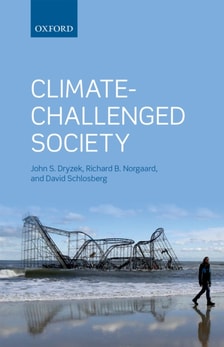
This book is an original, accessible, and thought-provoking introduction to the severe and broad-ranging challenges that climate change presents and how societies can respond.
Environmental challenges, and the potential solutions to address them, have a direct effect on living standards, the organization of economies, major infrastructures, and modes of urbanization.
When taxes are introduced on carbon and energy, and the revenue is used to reduce other taxes, will a positive effect be achieved both for the environment and for the economy?
The World Trade Organization (WTO) is scarcely ten years old, but even in these early years of its existence it has generated debate, controversy and even outrage.
Bioinvasions and Globalization synthesises our current knowledge of the ecology and economics of biological invasions, providing an in-depth evaluation of the science and its implications for managing the causes and consequences of one of the most pressing environmental issues facing humanity today.
When taxes are introduced on carbon and energy, and the revenue is used to reduce other taxes, will a positive effect be achieved both for the environment and for the economy?
The book, a joint work of the African Development Bank and the African Union, presents a comprehensive analysis of the oil and gas resources in Africa.
The New Energy Paradigm provides an overview of the current energy policy debate, contextualized by the oil shock from 2000, and considers how the trends in international energy markets impact on security of supply and climate change.
'Grow first, clean up later' environmental strategies in the developing economies of East Asia - China, Korea, and Taiwan in Northeast Asia and Indonesia, Malaysia, the Phillippines, Singapore, Thailand and Vietnam in Southeast Asia - pose a critical regional and global sustainability challenge in this area of continuing rapid urban-based industrial growth.
The threat posed by climate change has not yet been matched by international agreements and economic policies that can deliver sharp reductions in greenhouse-gas emissions.
More than 50 developing countries depend on three or fewer commodities for more than half of their exports and, in fact, many rely on a single commodity for a large share of export earnings.
The relentless exploitation and unsustainable use of wildlife, whether for food, medicine or other uses, is a key concern for conservationists worldwide.
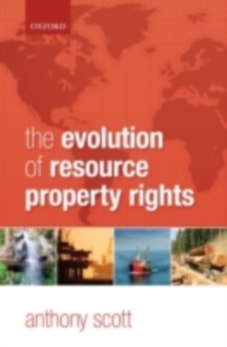
This book traces the development of the standard property rights over five kinds of natural resource - inland rivers, ocean fisheries, petroleum resources, gold and base metals and forest resources - from classical times through to the 19th century.
The World Trade Organization (WTO) is scarcely ten years old, but even in these early years of its existence it has generated debate, controversy and even outrage.
The international community has long grappled with the issue of safeguarding the environment and encouraging sustainable development, often with little result.
The international community has long grappled with the issue of safeguarding the environment and encouraging sustainable development, often with little result.
This book illustrates an alternative approach to 'state of sustainability' reporting by presenting cross-sectoral and multi-disciplinary discussions on sustainability issues in the context of a developing country, Botswana.
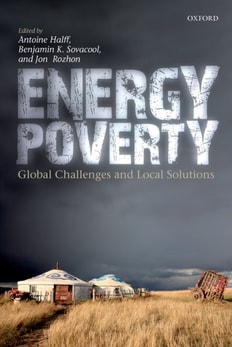
This edited volume looks at energy poverty, an issue whose pivotal role in the fight for human development is only now being recognised by policymakers.
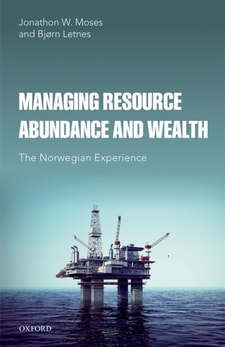
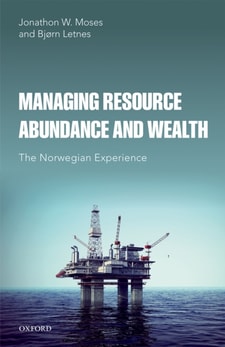
Managing Resource Abundance and Wealth: The Norwegian Experience describes the sundry and significant challenges, both economic and political, facing petroleum-producing countries.
Managing Resource Abundance and Wealth: The Norwegian Experience describes the sundry and significant challenges, both economic and political, facing petroleum-producing countries.
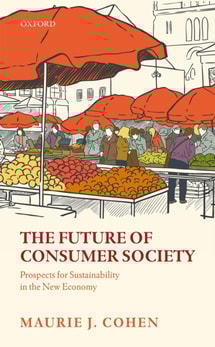
Consumer society in the United States and other countries is receding due to demographic ageing, rising income inequality, political paralysis, and resource scarcity.
Consumer society in the United States and other countries is receding due to demographic ageing, rising income inequality, political paralysis, and resource scarcity.