This book presents fresh research on how Foreign Direct Investments (FDI), Micro, Small and Medium Enterprises (MSMEs), patterns of clustering, digitalization and innovation policies, interact and influence India's industrialisation and its greening or sustainability.
This book provides a wider understanding of the geographies of the platform economy, focusing on the critical perspectives that have emerged on this new economic and digital context.
This book provides readers with a basic understanding of sustainable finance and impact investing including history, definitions of impact, current trends and drivers, future challenges, and an overview of the key players in the global impact ecosystem.
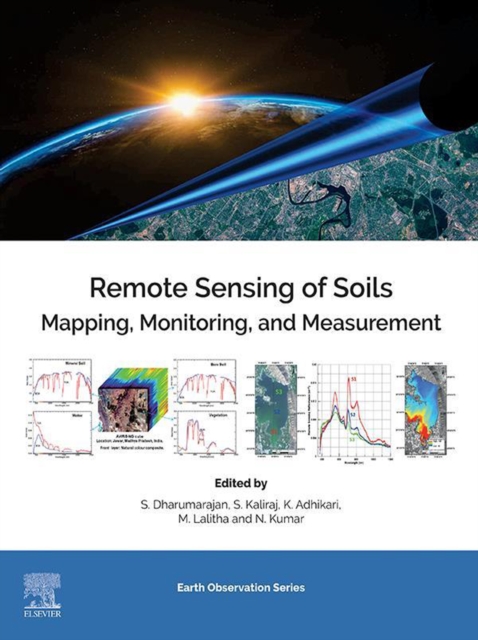
Remote Sensing of Soils: Mapping, Monitoring and Measurement covers the basic, theoretical and scientific concepts of multidisciplinary subjects, including sections that relate to soil sciences, remote sensing, geoinformatics, geomatics, civil and water resource engineering, geography, agriculture, disaster management and the earth and environmental sciences.
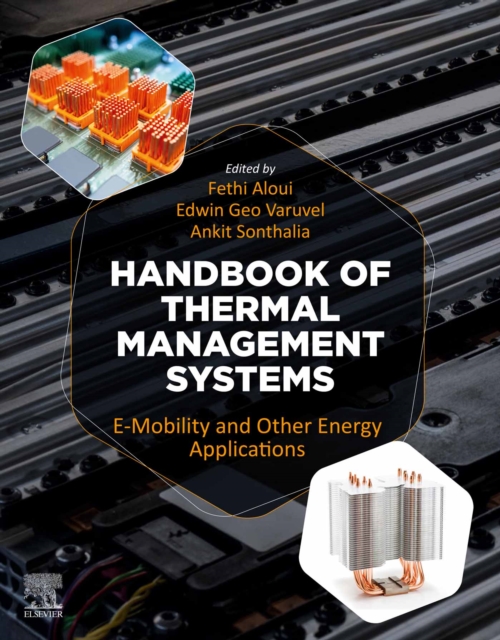
Handbook of Thermal Management Systems: e-Mobility and Other Energy Applications is a comprehensive reference on the thermal management of key renewable energy sources and other electronic components.
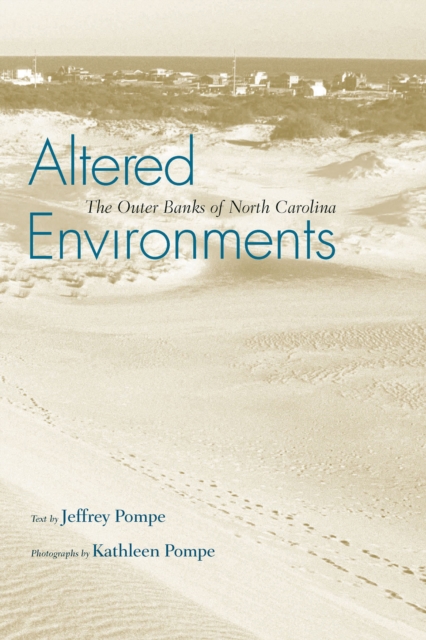
The constant assault of natural forces make fragile barrier islands some of the most rapidly changing locations in the world, but human activities have had enormous impact on these islands as well.
The power of local currencies Communities everywhere are challenged by issues such as health, elder and child care, housing, education, food security and the environment.
In this compilation of David Suzuki's latest thoughts and writings, the renowned scientist, author, and broadcaster explores the myriad environmental challenges the world faces and their interconnected causes.
This book provides readers with a basic understanding of sustainable finance and impact investing including history, definitions of impact, current trends and drivers, future challenges, and an overview of the key players in the global impact ecosystem.
In this compilation of David Suzuki's latest thoughts and writings, the renowned scientist, author, and broadcaster explores the myriad environmental challenges the world faces and their interconnected causes.
The only metric that tracks how much nature we have - and how much nature we useEcological Footprint accounting, first introduced in the 1990s and continuously developed, continues to be the only metric that compares overall human demand on nature with what our planet can renew its biocapacity and distils this into one number: how many Earths we use.
Help build a world based on flourishing well-being for both the human family and nature In the face of political, financial, and environmental upheaval, it's difficult to slow down and build lives of mindfulness and joy.
How to survive and thrive in the post-industrial ageIn response to the coming impact of peak oil, John Michael Greer helps us envision the transition from an industrial society to a sustainable ecotechnic world-not returning to the past, but creating a society that supports relatively advanced technology on a sustainable resource base.
"e;Canadian sustainability expert Bob Willard, whp spent 34 years with IBM, offers a punchy, practical guide to leading change in your company in The Sustainability Champion's Guidebook.
Ivanko and Kivirist - innkeepers, authors, and wearers of many other hats - truly walk the green talk, detailing the nitty-gritty of running a green business.
The power of local currencies Communities everywhere are challenged by issues such as health, elder and child care, housing, education, food security and the environment.
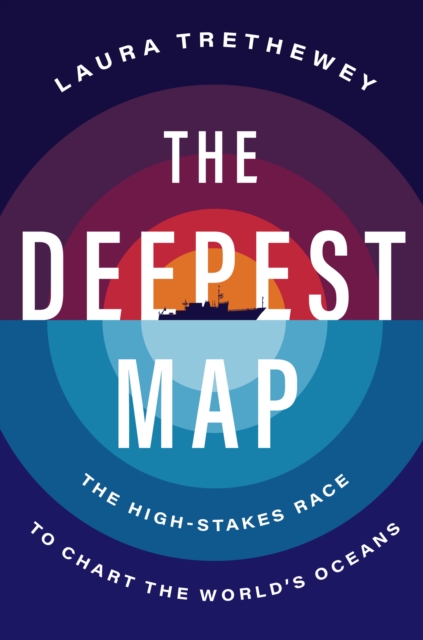
The dramatic and action-packed story of the last mysterious place on earththe worlds seafloorand the deep-sea divers, ocean mappers, marine biologists, entrepreneurs, and adventurers involved in the historic push to chart it, as well as the opportunities, challenges, and perils this exploration holds now and for the future.
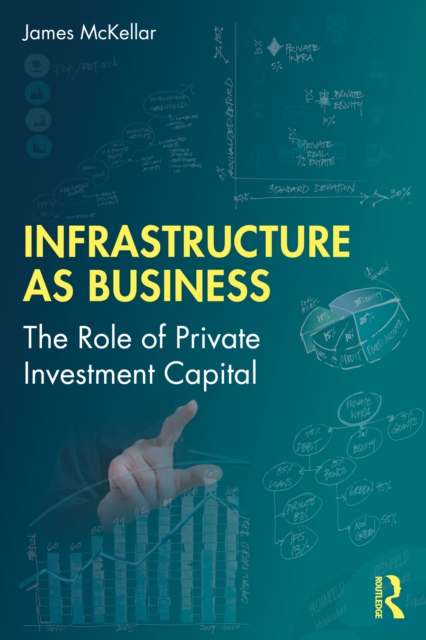
Infrastructure as Business brings new emphasis and clarity to the importance of private investment capital in large-scale infrastructure projects, introducing investors, policymakers, and other stakeholders to a key element that is surprisingly absent from the discourse on public-private partnerships.
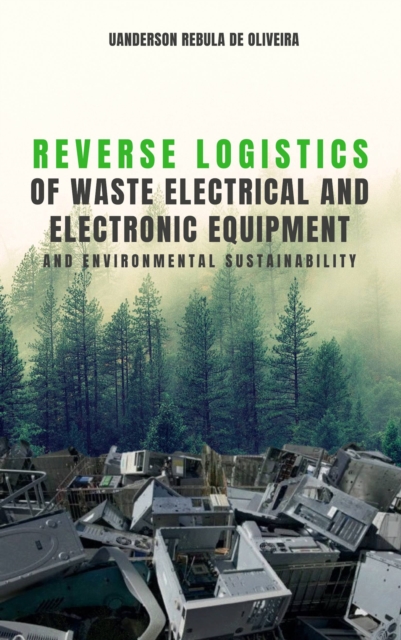
The sale of Electrical and Electronic Equipment (EEE) is growing worldwide due to technological innovations and the speed with which they become obsolete, which increases the production of a solid residue called Waste Electrical and Electronic Equipment (WEEE), or e-Waste.
The Value of a Teacher is not just a book but a library joining together dozens of writings on history, stories, songs, poetry, and speeches on illegal trade in wildlife, air quality, environmental rule of law, the green economy, chemicals and waste, and marine debris.
Earth Observation for Monitoring and Modeling Land Use presents a practical guide and theoretical overview of the latest techniques and Earth observation technologies applied to land use and land cover change through qualitative assessment of Earth observation technologies.
The book describes the results of the AGaStor Project's social research carried out in northwestern Poland which recognizes the main social opportunities and barriers to the introduction of CCUS to society.