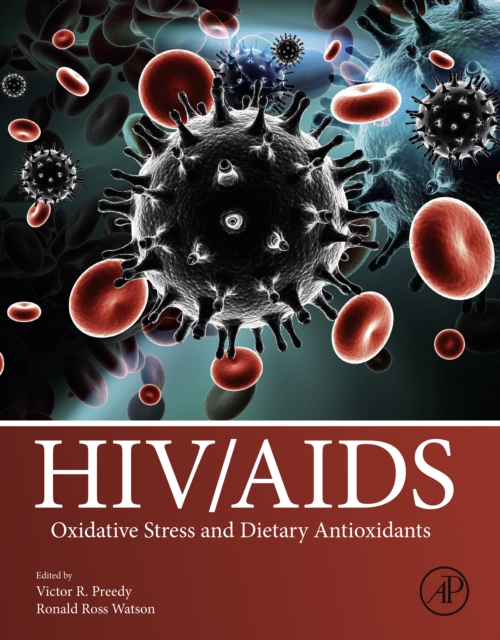
HIV/AIDS: Oxidative Stress and Dietary Antioxidants provides comprehensive coverage of oxidative stress in HIV/AIDS, focusing on both the pathological process around molecular and cellular metabolism and the complications that can arise due to nutritional imbalance.
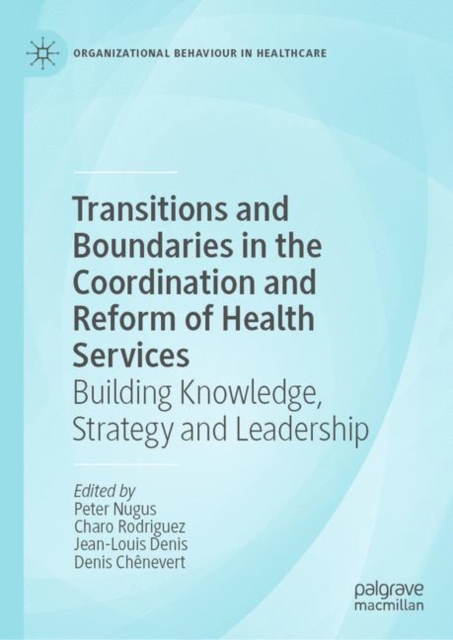
This book examines healthcare innovation processes, shedding light on the controversies endemic to innovation, which make such processes notoriously challenging.
Workable Sisterhood is an empirical look at sixteen HIV-positive women who have a history of drug use, conflict with the law, or a history of working in the sex trade.
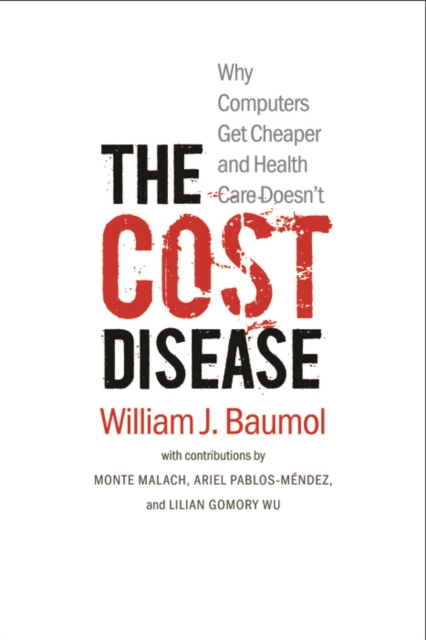
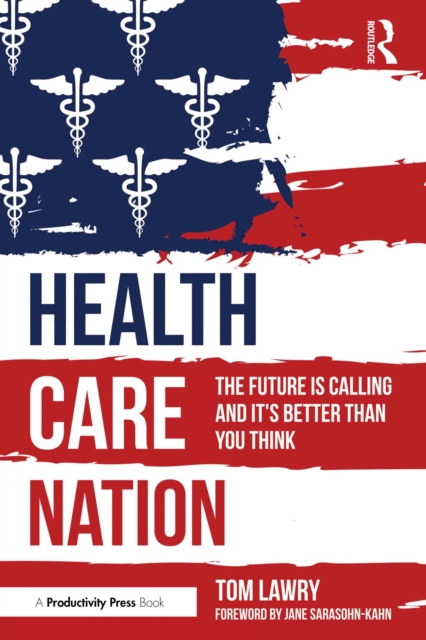
Whether a patient, health consumer, physician, nurse, health executive, or elected official, somewhere deep in our brains is this simple truth: the American health system isn't working, and it will only get worse if we don't do something about it.
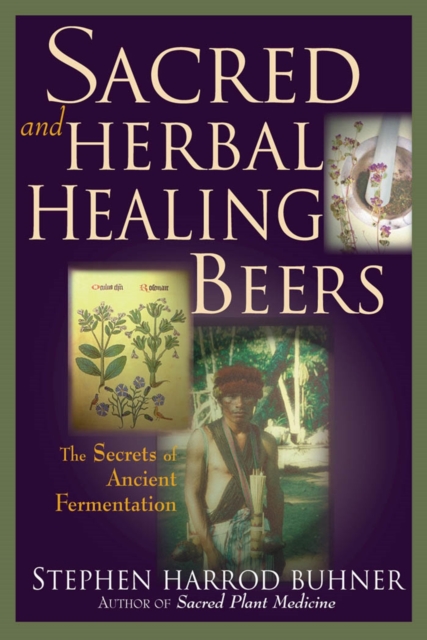
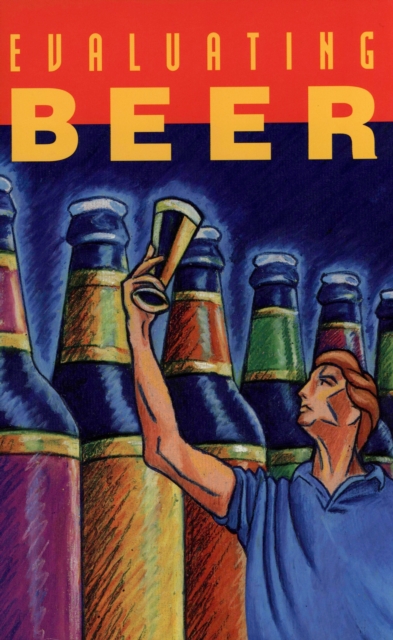
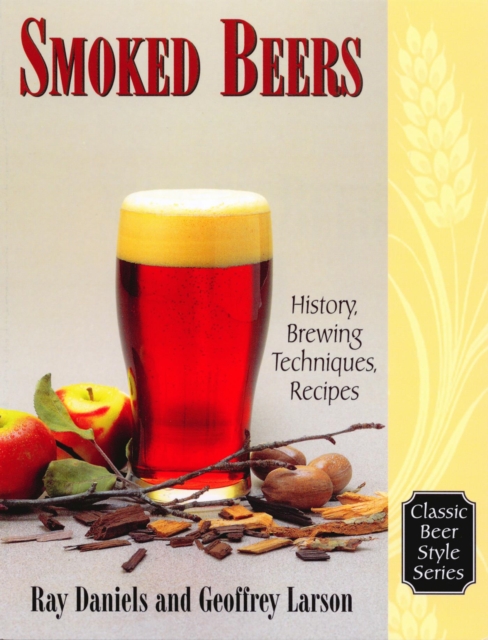
Home Brewing: 70 Top Secrets & Tricks To Beer Brewing Right The First Time: A Guide To Home Brew Any Beer You Want is the definitive book on making quality beers at home.
Society was not prepared in 1981 for the appearance of a new infectious disease, but we have since learned that emerging and reemerging diseases will continue to challenge humanity.
Drug disasters from Thalidomide to Opren, and other less dramatic cases of drug injury, raise questions about whether the testing and control of medicines provides satisfactory protection for the public.
Measurements of individual benefits of different health and medical interventions are fundamental for prioritizing among different alternative uses of resources in the healthcare sector.
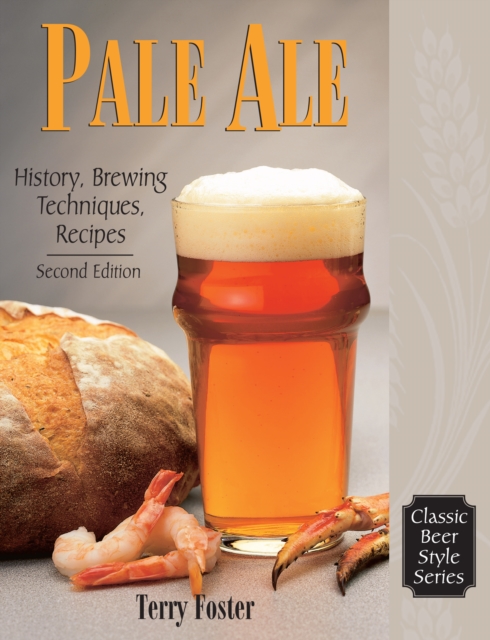
Brewed centuries ago by monks and nuns, this copper-colored, full-bodied ale has a proud and unbroken brewing tradition dating back to the beginning of civilization.
A comprehensive look at this once-forgotten beer style, Bock covers the history, style profiles, procedures and recipes of this unique family of beers.
One of the most exciting and dynamic segments of today's craft brewing scene , American-brewed sour beers are designed intentionally to be tart and may be inoculated with souring bacteria, fermented with wild yeast or fruit, aged in barrels or blended with younger beer.
First created in Munich in 1894, Bavarian Helles is perhaps the most delicate beer imaginable, and must rely on its incredible subtlety to please the palate.
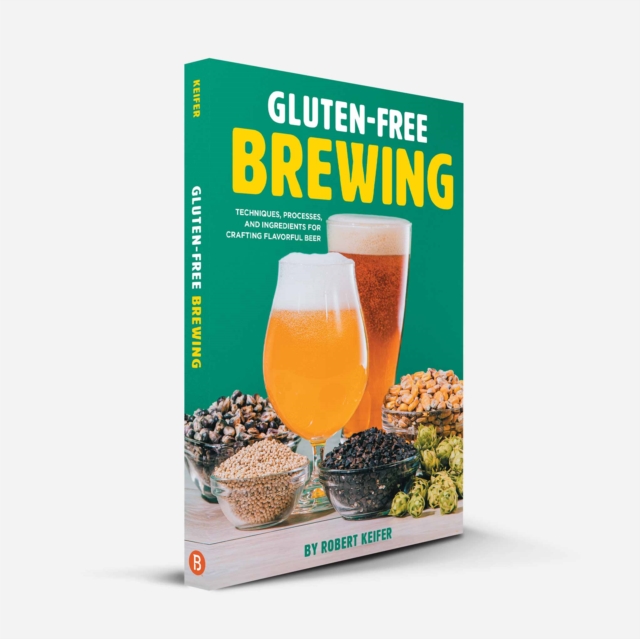
The ubiquity of gluten-containing grains, such as barley, wheat, and rye, in modern-day brewing has prevented many potential consumers from fully enjoying the craft beer revolution.
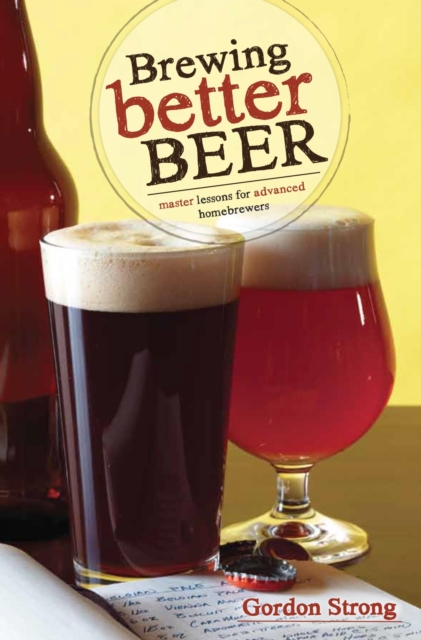
One of the most successful and respected homebrewers in America and highest ranking judges in the BJCP, there are few candidates better placed than Gordon Strong to give advice on how to take your homebrew to the next level.
Collaborative innovation networks are cyberteams of motivated individuals, and are self-organizing emergent social systems with the potential to promote health, happiness and individual growth in real-world work settings.
Patient-oriented approaches to healthcare management have been brought to the fore in recent years, yet this book underlines how even further change is needed in order to fully mobilise the experiential knowledge of patients, and ultimately improve our healthcare systems.
This innovative book analyses the evolving nature of leadership, exploring an ever-increasing range of theoretical concepts and applying these to practices within healthcare organisations.
This book covers the complexity of diabetes and related complications and presents the socio-economic burden of the disease, taking into account the rising prevalence reaching pandemic proportions and the associated costs.
This book is the fourth in the series on leadership, interprofessional education and practice, following on from Leadership Development for Interprofessional Education and Collaborative Practice (2014), Leadership and Collaboration: Further Developments for IPE and Collaborative Practice (2015) and Leading Research and Evaluation in Interprofessional Education and Collaborative Practice (2016).
Alternative medicine (AM) is hugely popular; about 40% of the US general population have used at least one type of alternative treatment in the past year, and in Germany this figure is around 70%.