As many biological products face losing their patents in the next decade, the pharmaceutical industry needs an abbreviated regulatory pathway for approval of biosimilar drug products, which are cost-effective, follow-on/subsequent versions of the innovator's biologic products.
In this book, a world-class editorial advisory board and an independent team of contributors draw on their experience in operations, leadership, and Lean managerial decision making to share helpful insights on the valuation of hospitals in today's changing reimbursement and regulatory environments.
If the furious debate around the state of healthcare in the US has led to any consensus, ita s that the system should be delivering better quality for less cost than it does.
With healthcare making the transition from volume-based reimbursement programs to value-based approaches, understanding performance measurement is vital to optimize payment and quality outcomes.
Theory of Drug Development presents a formal quantitative framework for understanding drug development that goes beyond simply describing the properties of the statistics in individual studies.
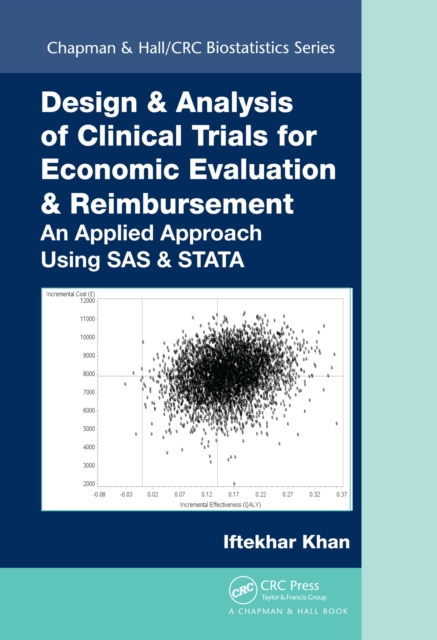
Economic evaluation has become an essential component of clinical trial design to show that new treatments and technologies offer value to payers in various healthcare systems.
Despite its high cost, the US healthcare system produces relatively short life spans, and is wasteful, inefficient and has serious safety and quality issues.
This book is intended to help decision-makers use, assess and appraise the evidence that underpins decisions about the use of therapeutic interventions.
This guide helps readers understand the past, present, and future of America's Medicare and Medicaid programs, which provide health care services and medical coverage to millions of Americans across the USA.
The third book in the Healthcare Payment Systems series, Prospective Payment Systems examines the various types of prospective payment systems (PPS) used by healthcare providers and third-party payers.
The fourth book in the Healthcare Payment System series, Cost-Based, Charge-Based, and Contractual Payment Systems compares cost-based systems, charge-based payment approaches, and contractually-based payment processes with fee-schedule payment systems and prospective payment systems.
Medicare fraud is big business, but while only a few profit from intentional malfeasance, the Centers for Medicare and Medicaid Services is now taking a closer look at everyone.
Much as it is with the nation's overall healthcare system, the survival of academic medical centers (AMC's) is threatened by a combination of economic, cultural, and demographic factors.
As the development of medicines has become more globalized, the geographic variations in the efficacy and safety of pharmaceutical products need to be addressed.
In clinical trial practice, controversial statistical issues inevitably occur regardless of the compliance with good statistical practice and good clinical practice.
David Samuels, a leading authority on financial models in healthcare, draws on his multidisciplinary background in all aspects of managed care to provide an expansive yet detailed perspective of this complex field.
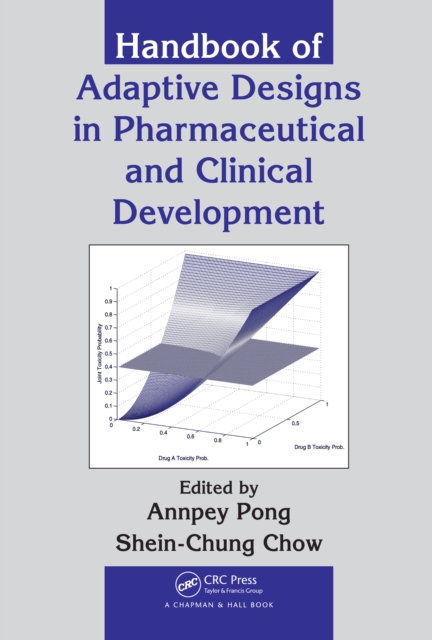
Adaptive clinical trial designs, unlike traditional fixed clinical trial designs, enable modification of studies in response to the data generated in the course of the trial.
This handbook prepares readers to build the medical tourism service line, integrate physicians and other service providers, develop a safe and effective quality and patient-centered infrastructure, document processes and workflows, evaluate reimbursement contracts, and measure outcomes.
With healthcare making the transition from volume-based reimbursement programs to value-based approaches, understanding performance measurement is vital to optimize payment and quality outcomes.
Medicare fraud is big business, but while only a few profit from intentional malfeasance, the Centers for Medicare and Medicaid Services is now taking a closer look at everyone.
In response to the US FDA's Critical Path Initiative, innovative adaptive designs are being used more and more in clinical trials due to their flexibility and efficiency, especially during early phase development.
Workplace Clinics and Employer Managed Healthcare: A Catalyst for Cost Savings and Improved Productivity is not another diatribe on the national healthcare problem.
Nonpharmacological treatments include a wide variety of treatments such as surgery, technical procedures, implantable and non-implantable devices, rehabilitation, psychotherapy, and behavioral interventions.
Chronic Pain Management: Guidelines for Multidisciplinary Program Development is the most comprehensive textbook to date on the multidisciplinary approach to chronic pain management.
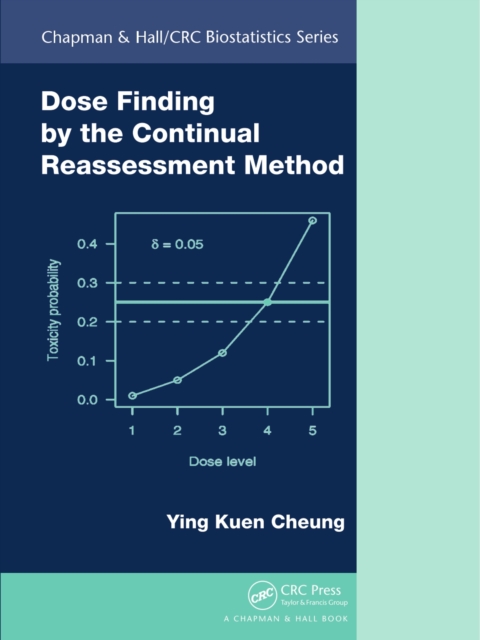
It is estimated that 80 to 90% of drugs under development never make it to the marketplace due to insufficient clinical activity, unacceptable toxicity, rapid appearance of drug resistance, or other factors that should be, at least partially, predictable from preclinical testing.
This publication provides a state-of-the-art overview of key issues related to antimicrobial resistance, including a focus on key pathogens causing common healthcare-associated and community-acquired infections.
'Splendid and necessary' - Henry Marsh, author of Do No Harm, New StatesmanThere are dramatic differences in health between countries and within countries.