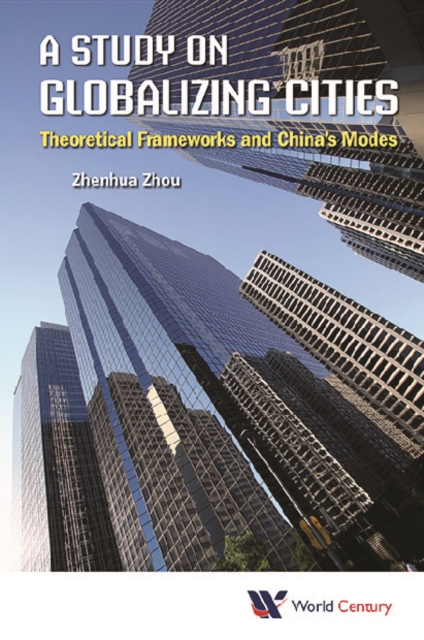
A Study on Globalizing Cities is the latest masterpiece by Zhou Zhenhua, a famous Chinese economist, who closely tracks the theoretical study of global cities and is actively engaged in the strategic research of Shanghai's development.
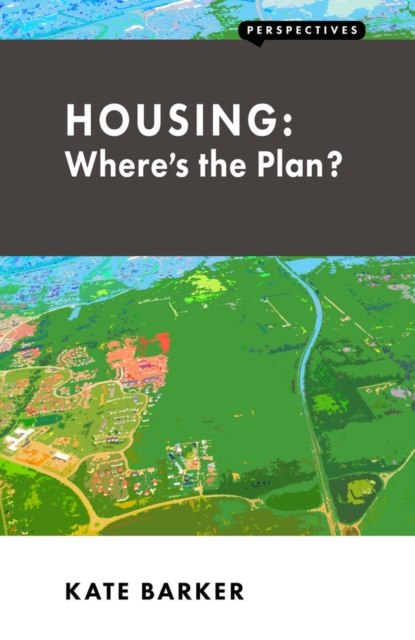
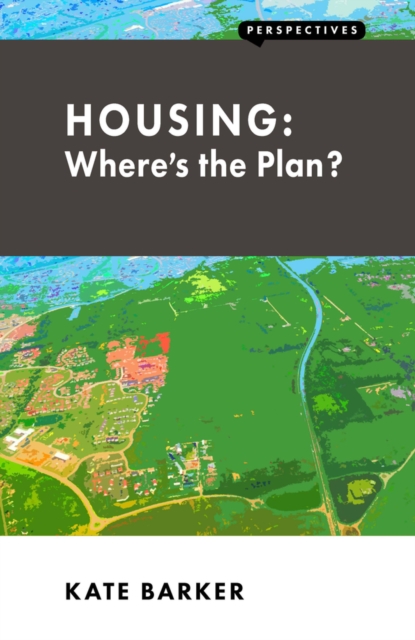
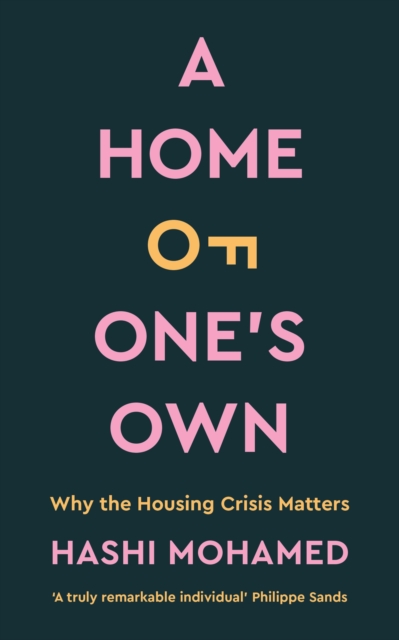
London has enjoyed an extraordinary period of growth in the past generation, symbolized by the towers of Canary Wharf built on the skeleton of the old docks.
London has enjoyed an extraordinary period of growth in the past generation, symbolized by the towers of Canary Wharf built on the skeleton of the old docks.
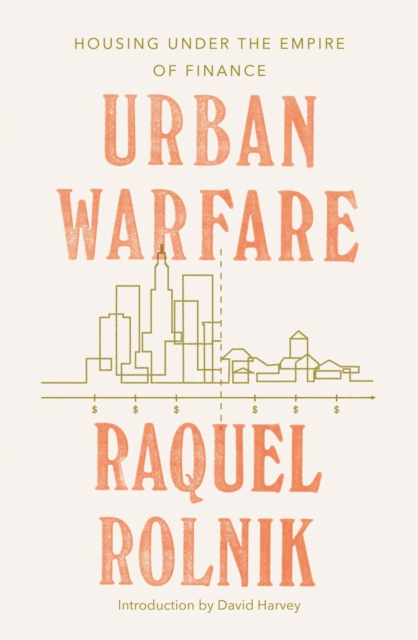
In Urban Warfare, Rolnik charts how the financialisation of housing has become a global crisis, as models of home ownership, originating in the US and UK, are being exported around the world.
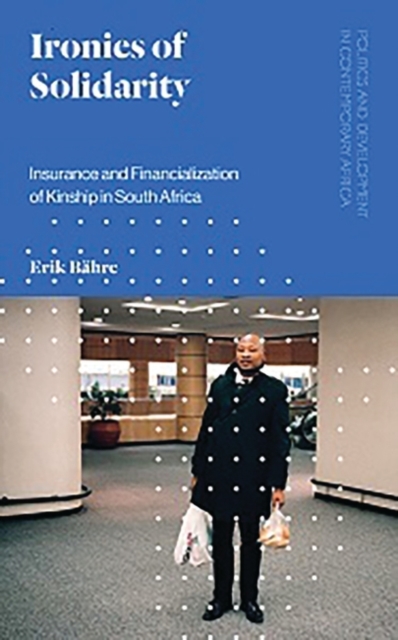
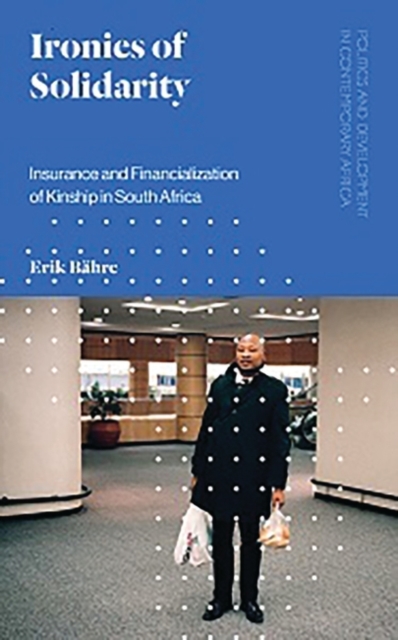
Set in one of the world's most unequal and violent places, this ethnographic study reveals how insurance companies discovered a vast market of predominantly poor African clients.
Set in one of the world's most unequal and violent places, this ethnographic study reveals how insurance companies discovered a vast market of predominantly poor African clients.
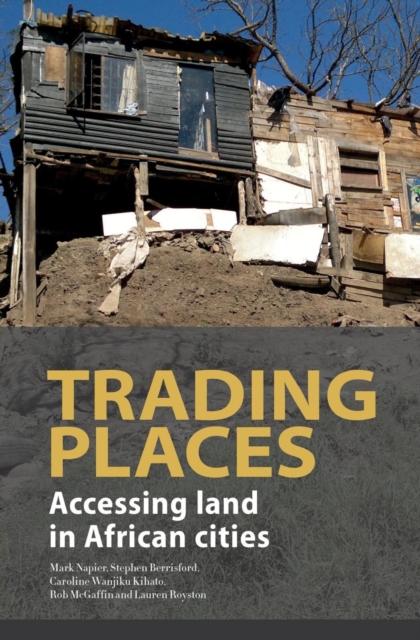
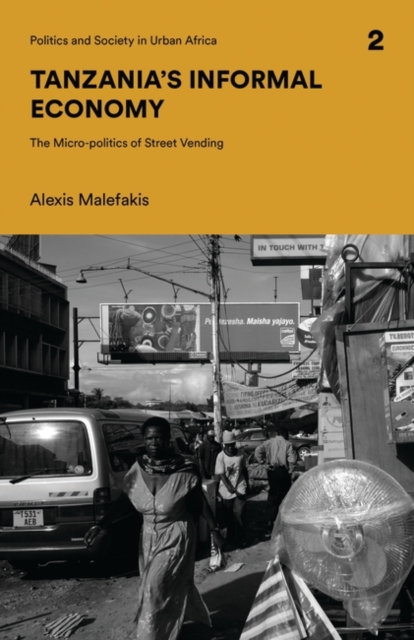
The market places and street corners of Dar es Salaam are home to a thriving informal economy of street vendors selling secondhand clothing and other goods.
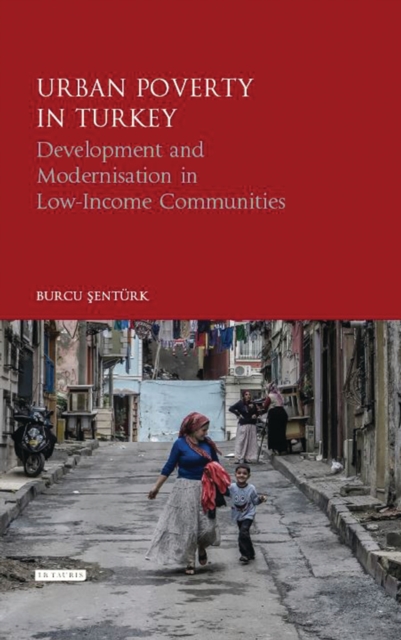
Gecekondu settlements-or shanty towns-in large Turkish cities are mostly populated by low-income families, many of which have migrated from the villages of Central Anatolia.
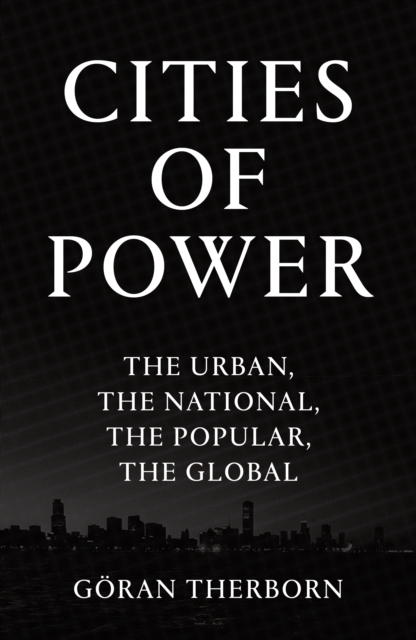
In this brilliant, very original survey of the politics and meanings of urban landscapes, leading sociologist G,ran Therborn offers a tour of the world's major capital cities, and the forces that have shaped them.
Neoclassical economics, the intellectual bedrock of modern capitalism, faces growing criticisms, as many of its key assumptions and policy prescriptions are systematically challenged.
Neoclassical economics, the intellectual bedrock of modern capitalism, faces growing criticisms, as many of its key assumptions and policy prescriptions are systematically challenged.
In this highly original work, Mary Njeri Kinyanjui explores the trajectory of women's movement from the margins of urbanization into the centres of business activities in Nairobi and its accompanying implications for urban planning.
Today, the new Indonesian capital city, Nusantara, planning is being anticipated as "e;representing national identity,"e; "e;a model city,"e; or "e;a gift to the world,"e; and many other extraordinary labels.
The Gift of Success and Happiness offers a set of simple systemsbased on the worlds most reliable business principlesthat empowers readers to meet and overcome challenges posed by money, work, relationships, and other factors, most of which impede our success and impinge on our happiness.
Put the power of arts and culture to work in your community Part 1 of this unique guide distills research and emerging ideas behind culturally driven community development and explains key underlying principles.
The revolutions that have taken place around the world during the last fifty years-the ousting of Marcos and the Shah of Iran; the fall of communist regimes in Eastern Europe; the end of Apartheid in South Africa and, indeed, the civil rights revolution in America-were fundamentally urban revolutions.
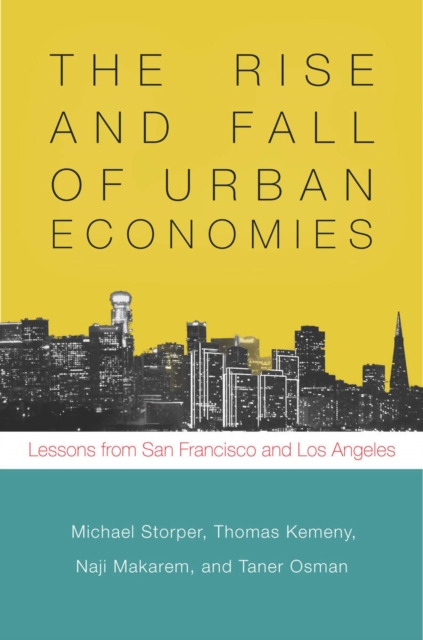
Today, the Bay Area is home to the most successful knowledge economy in America, while Los Angeles has fallen progressively further behind its neighbor to the north and a number of other American metropolises.