This concise e-book provides clinicians as well as administrative personnel involved in clinical research with an understanding of documentation related to clinical trial monitoring activities at each stage of the study from planning and set up, through conduct and close-out.
This edited volume explores the crucial intersections between Indigenous Land-Based Knowledge (ILK), sustainability, settler colonialism, and the ongoing environmental crisis.
The Internet once promised to be a place of extraordinary freedom beyond the control of money or politics, but today corporations and platforms exercise more control over our ability to access information and share knowledge to a greater extent than any state.
In 2008 the first Green New Deal was devised by Pettifor and a group of English economists and thinkers, but was ignored within the tumults of the financial crash.
In Urban Warfare, Rolnik charts how the financialisation of housing has become a global crisis, as models of home ownership, originating in the US and UK, are being exported around the world.
This seventh edition of Agribusiness Management provides students and managers with a fundamental understanding of the key concepts needed to successfully manage food and agribusinesses in a rapidly changing, global, high-tech, consumer-oriented, and uncertain world.
This multidisciplinary approach to the Western Balkans addresses topics from responsible business and ethics, innovation, corporate social responsibility, and new technology to human resources management.
This multidisciplinary approach to the Western Balkans addresses topics from responsible business and ethics, innovation, corporate social responsibility, and new technology to human resources management.
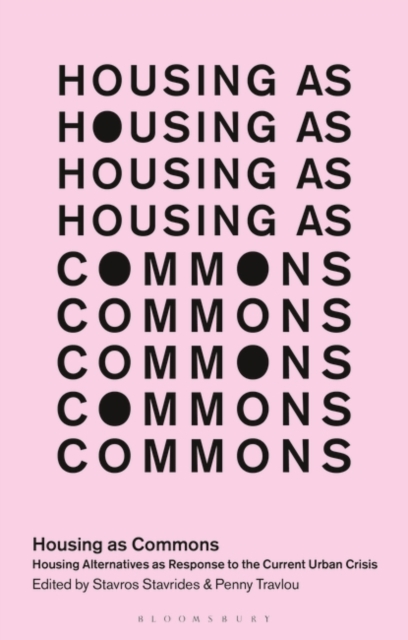
Experiences of the struggle for housing, ignited by the lack of social and affordable housing, have led to the establishing of shared and self-managed housing areas.
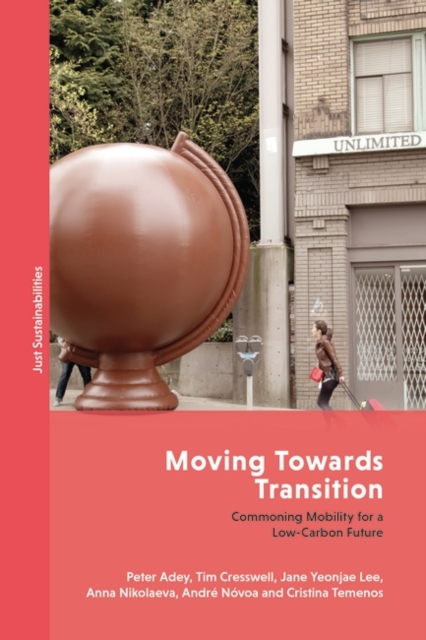
Drawing on an innovative project exploring current mobility transition policies and practices in 14 countries around the world, including key institutions such as the European Union and the United Nations, this book provides a critique of current transitions, mobility and transport policies.
Drawing on an innovative project exploring current mobility transition policies and practices in 14 countries around the world, including key institutions such as the European Union and the United Nations, this book provides a critique of current transitions, mobility and transport policies.
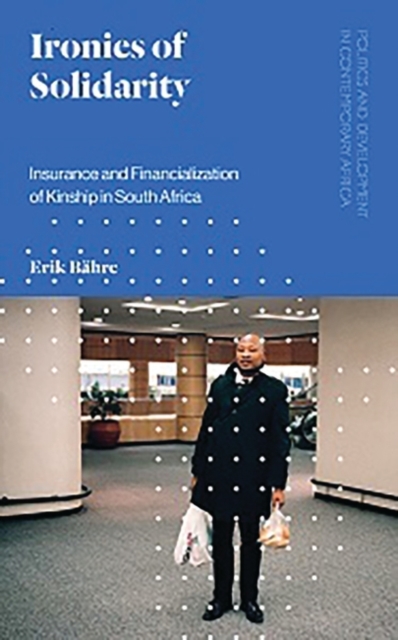
Set in one of the world's most unequal and violent places, this ethnographic study reveals how insurance companies discovered a vast market of predominantly poor African clients.
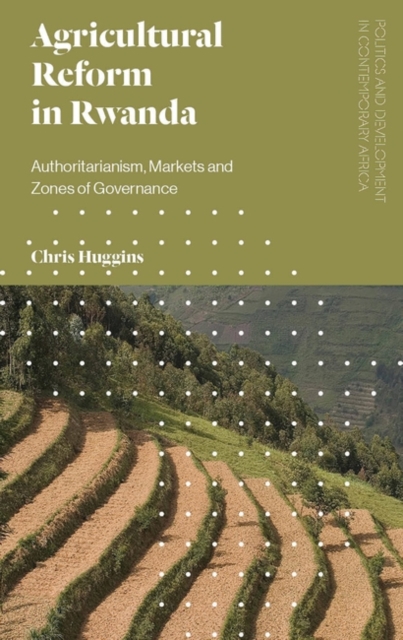
International observers have lauded Rwanda as an example of an African country taking control of its own development trajectory, and as a market-friendly destination for investment.
International observers have lauded Rwanda as an example of an African country taking control of its own development trajectory, and as a market-friendly destination for investment.
Set in one of the world's most unequal and violent places, this ethnographic study reveals how insurance companies discovered a vast market of predominantly poor African clients.
The market places and street corners of Dar es Salaam are home to a thriving informal economy of street vendors selling secondhand clothing and other goods.
Celebrating the 70th anniversary of the founding of the NHS, award-winning comedian and activist Mark Thomas takes a look at our NHS, what state it's in, where it's going, and what we need to do to keep it.
More than thirty years after the collapse of the USSR, the critique of state socialism is still used to deny alternatives to capitalism, irrespective of global capitalist ecological and social devastation.
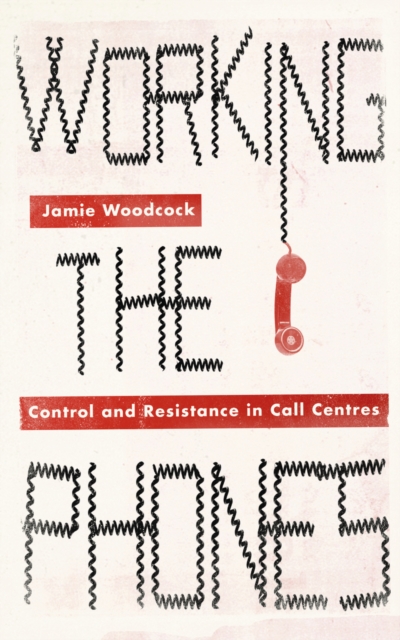
*Shortlisted for the BBC Radio 4 Thinking Allowed Award for Ethnography 2017**Winner of the 2016 Labor History Best Book prize*Over a million people in the UK work in call centres, and the phrase has become synonymous with low-paid and high stress work, dictatorial supervisors and an enforced dearth of union organisation.
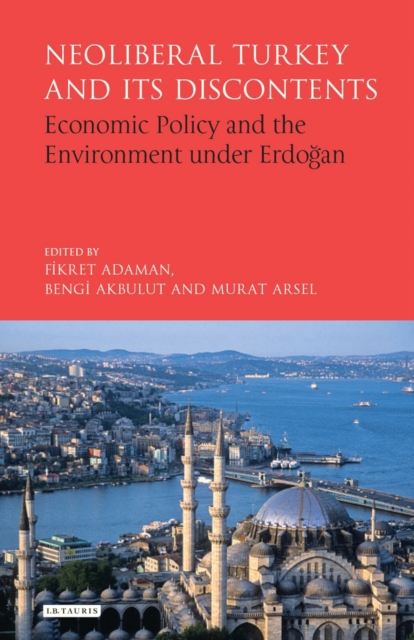
The 'neoliberal' economic policy of President Recep Tayyip Erdogan's AKP Party, which has delivered extraordinary growth in Turkish GDP over the last decade, has been one of the foundations of the party's popular appeal.