After reviewing the rise and decline of the UK system of industry wide collective bargaining, the authors use five detailed case studies to examine the process of decentralising bargaining from industry to single employer level.
This book brings together an international collection of original papers looking at the impacts of the recent liberalization measures in the transport sector.
This is the first book in several years to review the foreign policies of major Southeast Asian states and the first ever to include those frequently neglected smaller states.
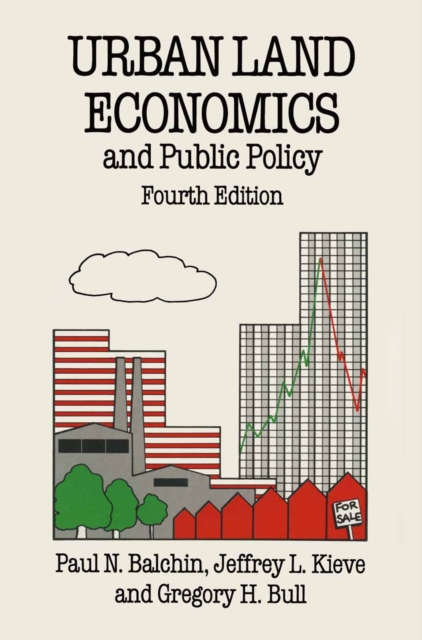
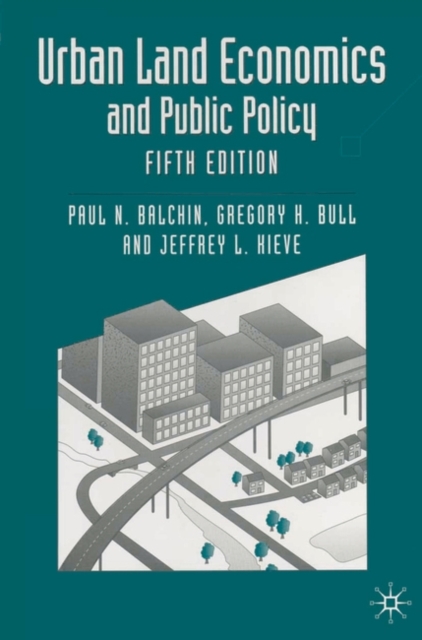
As a reflection of the change in the UK's economic strategy in recent years, this revised edition considers public policy in greater depth than previously with the inclusion of a chapter on welfare economics, analysis of trends in development and location and the effects of market changes.
This non-technical volume analyses topical problems of public finance in a changing world characterized by growing mobility of production factors, liberalized economic policy regimes, and the formation of new nations.
Swanson's book provides a good framework for understanding the extinction process in deeper socio-economic terms, and for evaluating some of the suggestions that have been made to arrest the decline.
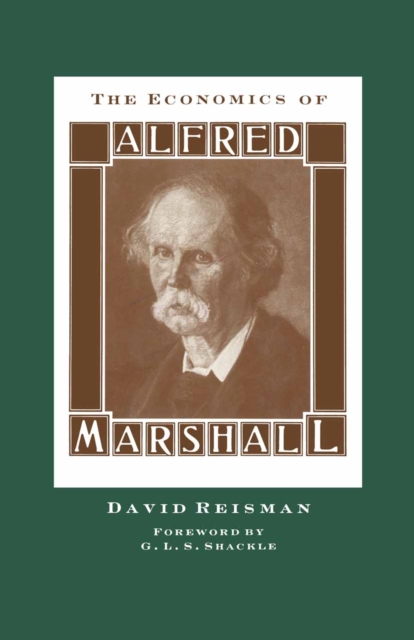
This revised and reset new fifth edition generally follows the structure of the previous edition, although some of the material of the earlier chapters has been rearranged, in addition to being updated and extended.
This book offers a new look at the theory of traffic congestion, in the light of recent reassessments of the extensive surveys in London of traffic plans and speeds and, in particular, of journey speeds by all forms of transport.
This book presents a feminist critique and reconstruction of the political economy of contemporary family farming at a time when the significance of household and kinship to the organisation of production and work in advanced industrial countries is being more widely reassessed.
The authors examine how the USA, Great Britain, France, Sweden and Germany have responded to the increasing challenge of international competition since the mid-1970s.
As governments around the world grapple with the challenge of delivering environmental sustainability, attention has recently focused on the role that citizens should play in meeting the challenge.
As governments around the world grapple with the challenge of delivering environmental sustainability, attention has recently focused on the role that citizens should play in meeting the challenge.