This book provides a comprehensive examination of the pharmaceutical and medical device industry, including analysis of its current trade and innovation strategies.
The Measurement of Health and Health Status: Concepts, Methods and Applications from a Multidisciplinary Perspective presents a unifying perspective on how to select the best measurement framework for any situation.
Buying and Selling the Environment: How to Design and Implement a PES Scheme provides a guide to the design and implementation of PES schemes that 'mimic' market processes, including three key elements: the estimation of the demand for environmental services, an understanding of the costs of supply, and how to predict the productivity of actions taken.
The use of financial concepts and tools to shape development is hardly new, but their recent adoption by advocates of sustainable environmental management has created opportunities for innovation in business and regulatory groups.
Microbehavioral Econometric Methods and Environmental Studies uses microeconometric methods to model the behavior of individuals, then demonstrates the modelling approaches in addressing policy needs.
Environmental Kuznets Curve (EKC): A Manual provides a comprehensive summary of the EKC, summarizing work on this economic tool that can analyze environmental pollution problems.
The Economics of Globally Shared and Public Goods responds to an urgent need to consolidate and refine the economic theories and explanations pertinent to globally shared resources.
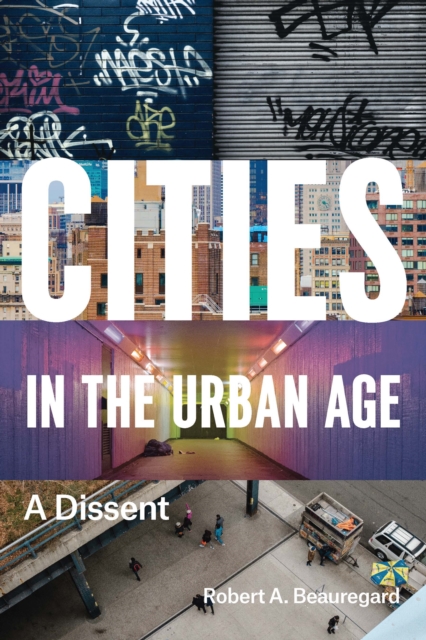
We live in a self-proclaimed Urban Age, where we celebrate the city as the source of economic prosperity, a nurturer of social and cultural diversity, and a place primed for democracy.
The recent financial crisis had a profound effect on both public and private universities, which faced shrinking endowments, declining charitable contributions, and reductions in government support.
Drawing on economics, sociology, geography, and psychology, Galster delivers a clear-sighted explanation of what neighborhoods are, how they come to be-and what they should be.
Handbook of Industrial Organization, Volume Four highlights new advances in the field, with this new volume presenting interesting chapters written by an international board of expert authors.
Agricultural Bioeconomy: Innovation and Foresight in the Post-COVID Era presents recent advancements in biotechnology, exploring the optimal utilization of technologies to provide rapid and impactful economic recovery and sustainable resources in a future that will bear the mark of COVID-19.
A radical new approach to tackling the growing threat of water scarcity Water is essential to life, yet humankind’s relationship with water is complex.
"e;This book would be an excellent choice for anyone wishing to be introduced to the field of health economics it is undoubtedly the best 'Health Economics 101' textbook around.
Chitin and Chitosan: Discoveries and Applications for Sustainability provides the most comprehensive knowledge on these organic biopolymers which come from the cellular makeup of crustaceans, mollusks and arthropods.
An exploration of the rise of the crop strain that came to dominate the American tobacco industry and its toll on the Southern landscape that produced it Drew A.
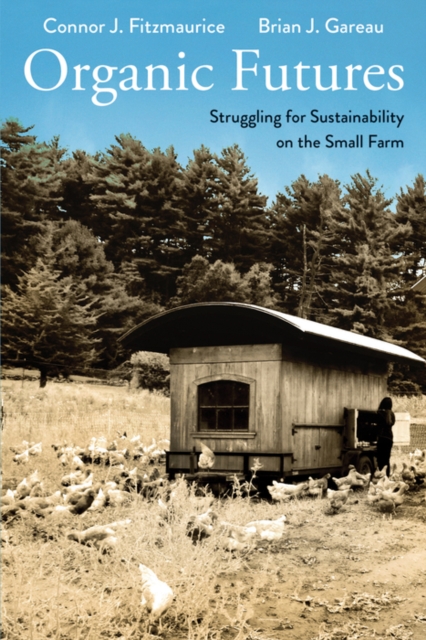
An exploration of the lived experience of small-scale organic farmers in New England that unpacks how they balance their ideals with economic realities In recent years, the popularity of organically grown produce has exploded.
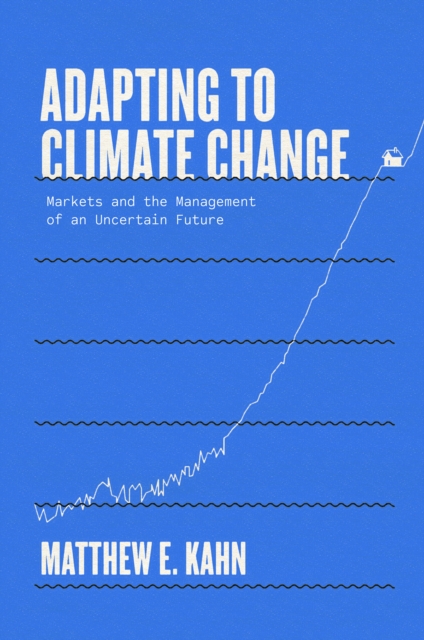
A revelatory study of how climate change will affect individual economic decisions, and the broad impact of those choicesSelected by Publishers Weekly as one of its Top Ten books in Business and Economics for Spring 2021It is all but certain that the next century will be hotter than any we've experienced before.
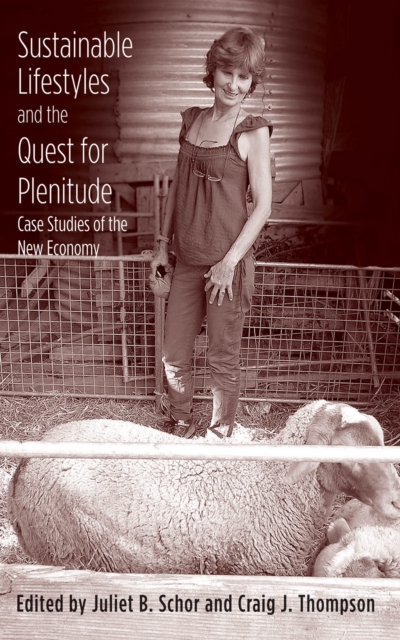
How small, innovative grassroots groups are discovering a new kind of economy and a richer quality of life Many of today’s most troubling environmental and economic issues have come to seem insoluble: carbon emissions, overshoot, inequality, joblessness, and a dysfunctional food system.
A provocative reassessment of the relationship between states and environmental politics in Africa From climate-related risks such as crop failure and famine to longer-term concerns about sustainable urbanization, environmental justice, and biodiversity conservation, African states face a range of environmental issues.
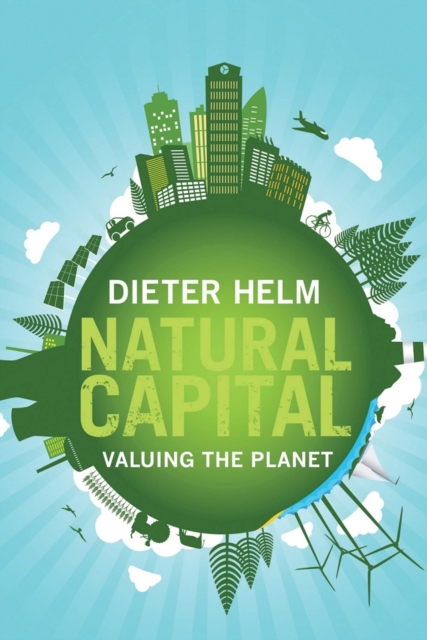
Hard-hitting recommendations for what must be done to manage global natural capital and reverse environmental destructionNatural capital is what nature provides to us for free.
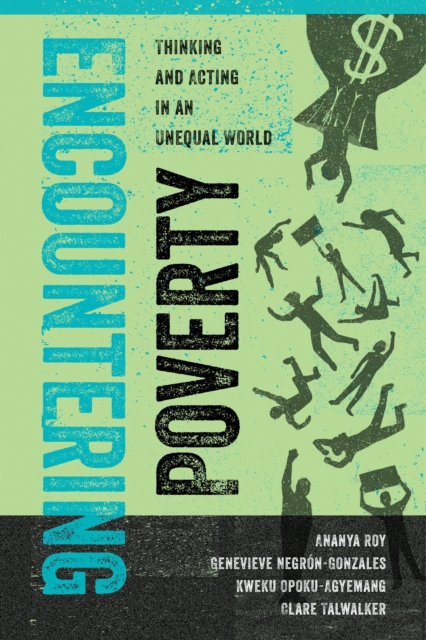
Encountering Povertychallenges mainstream frameworks of global poverty by going beyond the claims that poverty is a problem that can be solved through economic resources or technological interventions.
This book examines healthcare innovation processes, shedding light on the controversies endemic to innovation, which make such processes notoriously challenging.
Rising fuel prices during recent years and the threat of global warming have reinforced public and scientific interest in the issue of sustainable energy, with the term sustainability understood as having economic, environmental and social dimensions.
There are few areas of economic policy-making in which the returns to good decisions are so high-and the punishment of bad decisions so cruel-as in the management of natural resource wealth.
This book describes the changing landscape of European forest ownership and explores the impact a new, often urban, generation of forest owners may have on the future of one of our most basic resources - forests.
How America's high standard of living came to be and why future growth is under threatIn the century after the Civil War, an economic revolution improved the American standard of living in ways previously unimaginable.
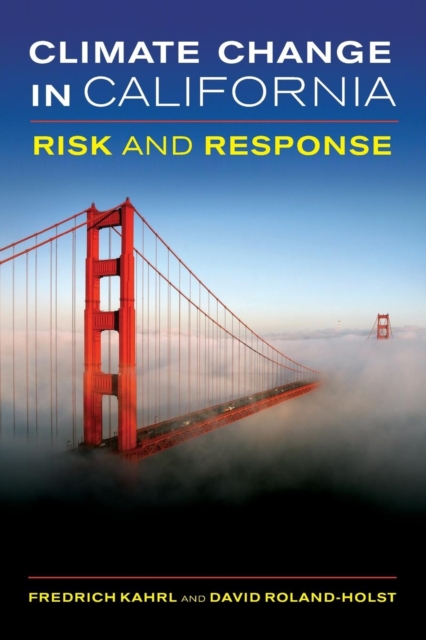
A political history of environmental policy and regulation in California, from the Gold Rush to the presentOver the course of its 150-year history, California has successfully protected its scenic wilderness areas, restricted coastal oil drilling, regulated automobile emissions, preserved coastal access, improved energy efficiency, and, most recently, addressed global climate change.
Federal Facility Environmental Management Systems explains how, why, and when federal agencies need to establish compliant EMSs in accordance with the April 21, 2000, Executive Order.