In 2003, Goldman Sachs published a startling report on the BRICs (Brazil, Russia, India, and China) region: These four countries would be larger than the G6 economics within 40 years, muscling their way to economic dominance over the coming decades, and powering past developed countries such as the United Kingdom, Germany, and Japan.
Der Autor analysiert das Phänomen der interinstitutionellen Vereinbarungen zwischen dem Europäischen Parlament, der Kommission und dem Rat in seinem historischen Kontext und seiner verfassungsrechtlichen Bedeutung.
The Indian economy is a picture of contrasts : on one side, there is mass poverty and, on the other, the development of centres of excellence in the services industry.
GOLD MEDALLIST IN THE 2024 AXIOM BUSINESS BOOK AWARDS A bold new account of the state of globalization today-and what its collapse might mean for the world economy After the Cold War, globalization accelerated at breakneck speed.
The Indian economy is a picture of contrasts : on one side, there is mass poverty and, on the other, the development of centres of excellence in the services industry.
A fascinating look at how coffee tied the economic future of the early United States to the wider Atlantic worldCoffee is among the most common goods traded and consumed worldwide, and so omnipresent its popularity is often taken for granted.
At the outset of independence 18 years ago, Kazakhstan's leaders promised that the country's rich natural resources, with oil and gas reserves among the largest in the world, would soon bring economic prosperity.
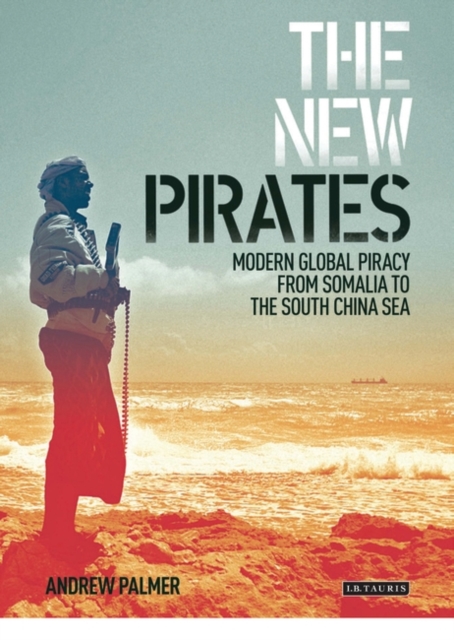
Piracy is a significant global threat to international sea-borne trade - the life-blood of modern industrial economies and vital for world economic survival.
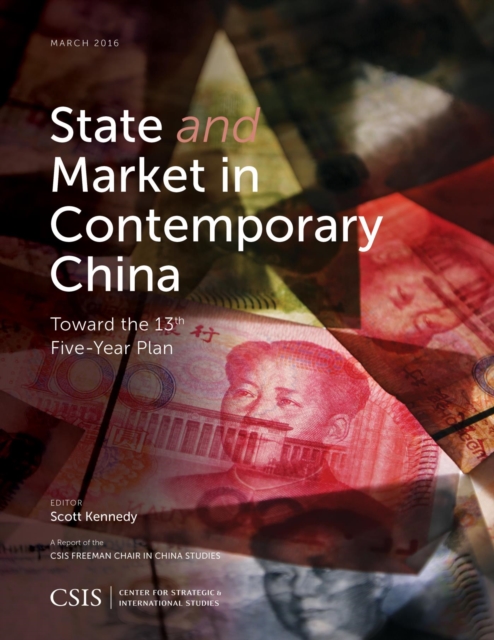
The short essays in this volume, contributed by leading experts on Chinese economic policy, provide crisp and insightful analyses of the Chinese state's approach toward markets, the role of key actors and institutions, the evolving nature of industrial policy and the effectiveness of China's international commitments to constrain such practices, and a preview of the likely contents and significance of China's 13th Five-Year Plan.
As experienced by the United States, competition has played out in three distinct types of threat activity: sabotage (the destruction of capabilities), espionage (the theft of specific capabilities), and defection (the carrying of knowledge out of the country).
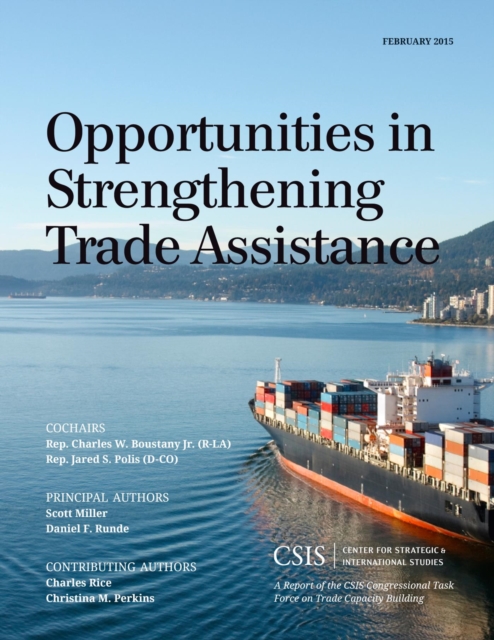
While free trade agreements and other intermediary trade agreements allow emerging nations increased access to markets, many low- and middle-income countries lack the capacity required to meet global standards.
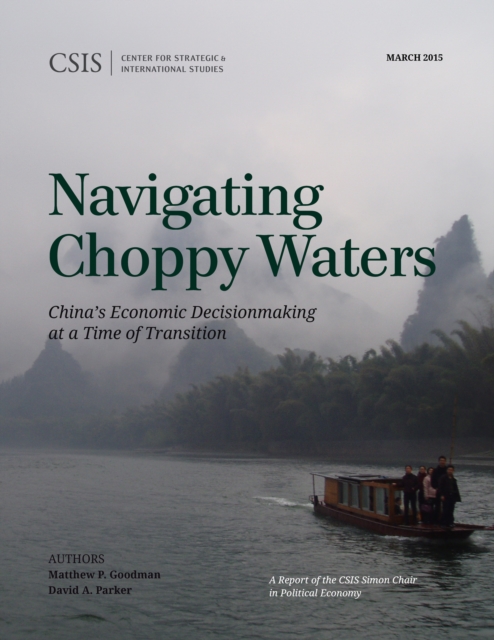
China faces increasing economic headwinds that call into question not only its near-term growth outlook but the longer-term sustainability of its economic success.
Investor-State Dispute Settlement (ISDS) is a provision in Bilateral Investment Treaties (BITs) and other international investment agreements that allows investors to enter arbitration with states over treaty breaches.
The Arabian Gulf is now involved in a massive arms race, triggered largely by the fear that Iran will try to use its military forces to intimidate or dominate its neighbors.
In the 21st century, most businesses participate in globalization, whether by entering new markets worldwide or dealing with competitors from around the world.
When it was founded back in 1944 no one could possibly have foreseen how the World Bank - known more formally as the International Bank for Reconstruction and Development (IBRD) - would flourish.
In its more than 65 years of existence, the International Monetary Fund has evolved from a small, obscure international agency, with new and uncertain responsibilities, into a powerful institution that today has assumed center stage in the international monetary system.
With all the rapid economic success in Japan, it is easy to forget just how insular the nation has been, and how strikingly different its trading patterns remain from those of other industrialized nations.
The signing of the North American Free Trade Agreement (NAFTA) was expected to signal the beginning of a new era of close co-operation between Mexico and the United States.
The globalization of markets, and the prospect of a Single European Market by the end of 1992 in particular, have heightened European attention to the export challenge and has spawned an intriguing array of export assistance services designed to help even the smallest business become a global competitor.
The explosive events in Eastern Europe and the dissolution of the Soviet Union have dramatically changed the political landscape that had existed for decades.
This book examines the nature of the international arms trade and the adjustment of the defense industries in the United States and Russia to the post-cold war world.
At the outset of independence 18 years ago, Kazakhstan's leaders promised that the country's rich natural resources, with oil and gas reserves among the largest in the world, would soon bring economic prosperity.
Globalization and Money explores how men and women, particularly the poor and the unbanked in the global South, use money in ways that empower themselves and their families.
Significant diminishment of the Arctic ice cap is propelling the advent of a new, blue water ocean and, with it, new commercial and economic opportunities.
Describes how China is in the lead in transforming finance for the digital ageThis book is the product of a joint research project between economists at the National School of Development, especially the affiliated Institute of Digital Finance, at Peking University and at the Brookings Institution.
This CEPS book comprises a first-ever economic and regulatory analysis of a possible Free Trade Area (FTA) between China and the EU, whose design is supposed to be 'deep and comprehensive'.
How multinationals contribute, or don't, to global prosperityGlobalization and multinational corporations have long seemed partners in the enterprise of economic growth: globalization-led prosperity was the goal, and giant corporations spanning the globe would help achieve it.
How globalized information networks can be used for strategic advantageUntil recently, globalization was viewed, on balance, as an inherently good thing that would benefit people and societies nearly everywhere.
Africa welcomes business investment and offers some of the world's highest returns and impactsAfrica has tremendous economic potential and offers rewarding opportunities for global businesses looking for new markets and long-term investments with favorable returns.
In Dance of the Trillions, David Lubin tells the story of what makes money flow from high-income countries to lower-income ones; what makes it flow out again; and how developing countries have sought protection against the volatility of international capital flows.
The Uruguay Round trade agreement, recently ratified by Congress, was the eighth in a series of negotiations under the auspices of the General Agreement on Tariffs and Trade (GATT).