With all the rapid economic success in Japan, it is easy to forget just how insular the nation has been, and how strikingly different its trading patterns remain from those of other industrialized nations.
The signing of the North American Free Trade Agreement (NAFTA) was expected to signal the beginning of a new era of close co-operation between Mexico and the United States.
The globalization of markets, and the prospect of a Single European Market by the end of 1992 in particular, have heightened European attention to the export challenge and has spawned an intriguing array of export assistance services designed to help even the smallest business become a global competitor.
The explosive events in Eastern Europe and the dissolution of the Soviet Union have dramatically changed the political landscape that had existed for decades.
This book examines the nature of the international arms trade and the adjustment of the defense industries in the United States and Russia to the post-cold war world.
At the outset of independence 18 years ago, Kazakhstan's leaders promised that the country's rich natural resources, with oil and gas reserves among the largest in the world, would soon bring economic prosperity.
Globalization and Money explores how men and women, particularly the poor and the unbanked in the global South, use money in ways that empower themselves and their families.
Significant diminishment of the Arctic ice cap is propelling the advent of a new, blue water ocean and, with it, new commercial and economic opportunities.
Describes how China is in the lead in transforming finance for the digital ageThis book is the product of a joint research project between economists at the National School of Development, especially the affiliated Institute of Digital Finance, at Peking University and at the Brookings Institution.
This CEPS book comprises a first-ever economic and regulatory analysis of a possible Free Trade Area (FTA) between China and the EU, whose design is supposed to be 'deep and comprehensive'.
How multinationals contribute, or don't, to global prosperityGlobalization and multinational corporations have long seemed partners in the enterprise of economic growth: globalization-led prosperity was the goal, and giant corporations spanning the globe would help achieve it.
How globalized information networks can be used for strategic advantageUntil recently, globalization was viewed, on balance, as an inherently good thing that would benefit people and societies nearly everywhere.
Africa welcomes business investment and offers some of the world's highest returns and impactsAfrica has tremendous economic potential and offers rewarding opportunities for global businesses looking for new markets and long-term investments with favorable returns.
In Dance of the Trillions, David Lubin tells the story of what makes money flow from high-income countries to lower-income ones; what makes it flow out again; and how developing countries have sought protection against the volatility of international capital flows.
The Uruguay Round trade agreement, recently ratified by Congress, was the eighth in a series of negotiations under the auspices of the General Agreement on Tariffs and Trade (GATT).
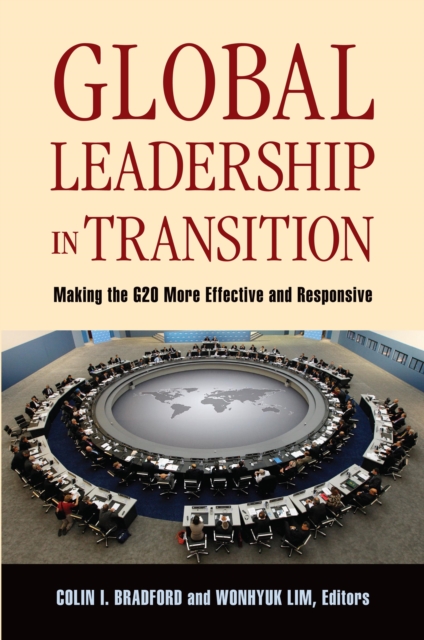
Global Leadership in Transition calls for innovations that would "e;"e;institutionalize"e;"e; or consolidate the G20, helping to make it the global economy's steering committee.
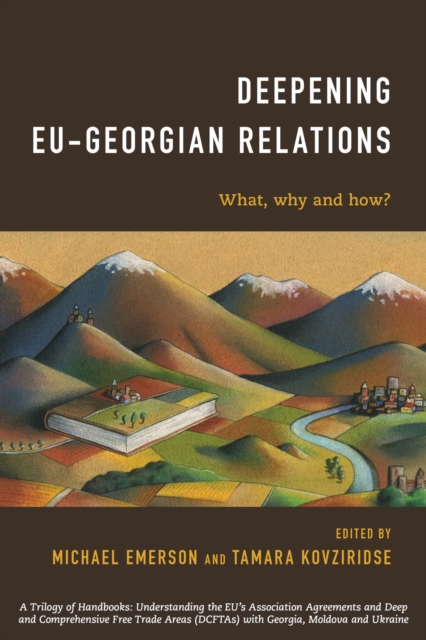
The signing of the Association Agreement and DCFTA between Georgia and the European Union in 2014 was a strategic political act to deepen the realisation of Georgia's 'European choice'.
This CEPS book comprises a first-ever economic and regulatory analysis of a possible Free Trade Area (FTA) between China and the EU, whose design is supposed to be 'deep and comprehensive'.
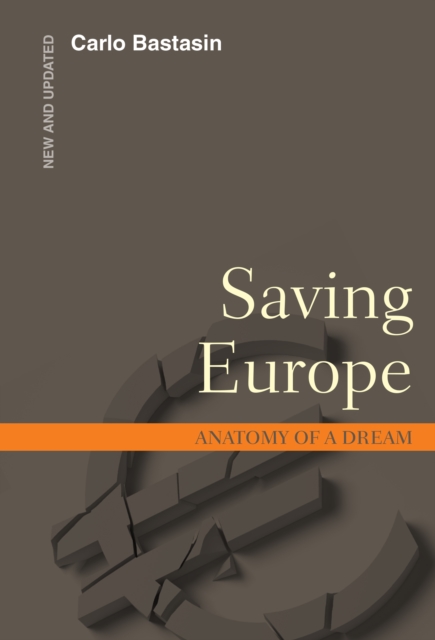
In this gripping narrative, Carlo Bastasin reconstructs the main political decisions of the euro crisis, unveiling the hidden interests and the secret diplomacy behind the scene.
A look behind the scenes of some of India's most critical foreign policy decisions by the country's former foreign secretary and national security adviser.
In Dance of the Trillions, David Lubin tells the story of what makes money flow from high-income countries to lower-income ones; what makes it flow out again; and how developing countries have sought protection against the volatility of international capital flows.
Global Leadership in Transition calls for innovations that would "e;"e;institutionalize"e;"e; or consolidate the G20, helping to make it the global economy's steering committee.
The global financial crisis is largely behind us, but the challenges it poses to the future stability of the world's economic system affects everyone from American families to Main Street businesses to Wall Street financial powerhouses.
In this commemorative volume, India's top business leaders and economic luminaries come together to provide a balanced picture of the consequences of the country's economic reforms, which were initiated in 1991.
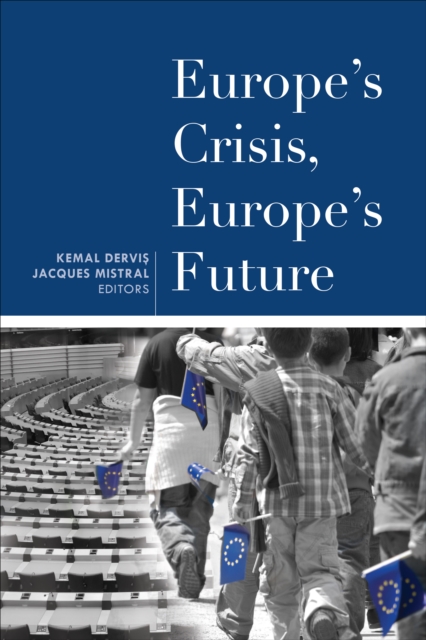
Three times in the few years since the global financial crisis erupted, the euro has come close to extinction, endangering both the world economy and history's most ambitious project in shared sovereignty.
The signing of the Association Agreement and DCFTA between Moldova and the European Union in 2014 was a strategic political act to deepen the realisation of Moldova's 'European choice'.
The signing of the Association Agreement and DCFTA between Georgia and the European Union in 2014 was a strategic political act to deepen the realisation of Georgia's 'European choice'.
This report of the CSIS Asia Economic Strategy Commission presents a comprehensive, bipartisan economic strategy for the United States to pursue its vital interests in the Asia-Pacific region.
The Arctic is a global bellwether for climate change and indigenous peoples' rights and traditions, as well as a "e;health check"e; on the durability of international laws and norms.