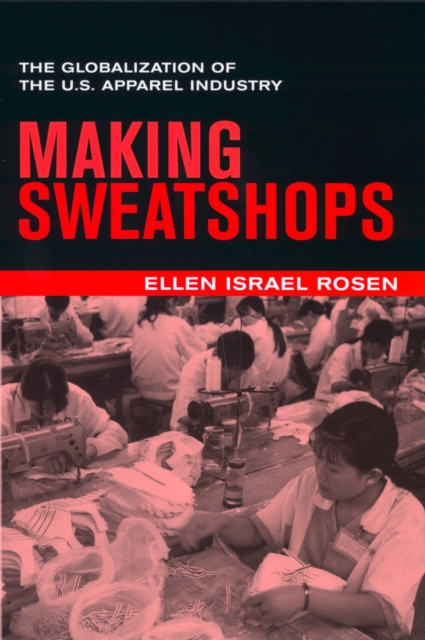
Corporations are among the most powerful institutions of our time, but they are also responsible for a wide range of harmful social and environmental impacts.
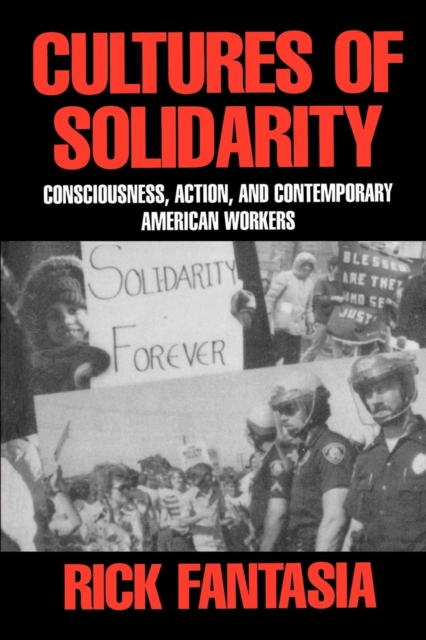
Starting in the 1990s, San Francisco launched a series of bold but relatively unknown public policy experiments to improve wages and benefits for thousands of local workers.
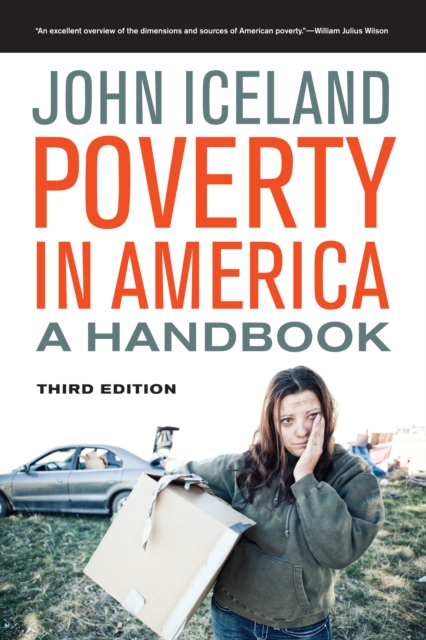
The United States is among the most affluent nations in the world and has its largest economy; nevertheless, it has more poverty than most countries with similar standards of living.
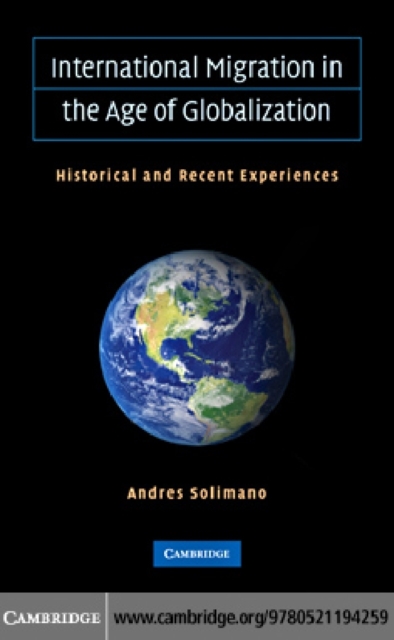
Challenging many common perceptions, this is the first book fully dedicated to understanding a major new phenomenon-the large numbers of skilled urban workers who are now coming across the border from Mexico's cities.
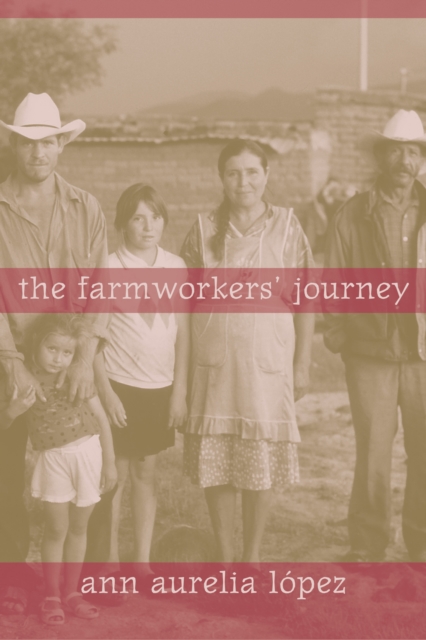
Illuminating the dark side of economic globalization, this book gives a rare insider's view of the migrant farmworkers' binational circuit that stretches from the west central Mexico countryside to central California.
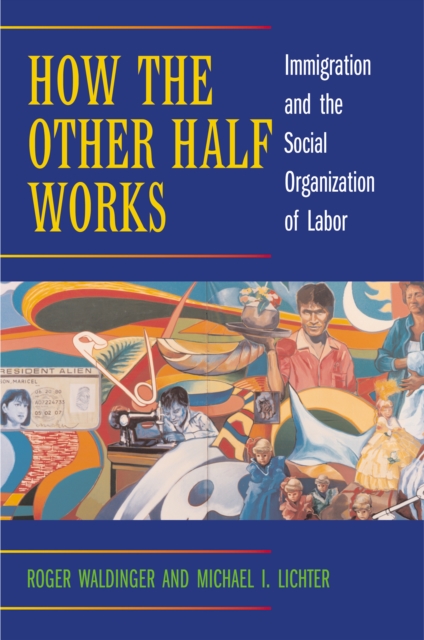
How the Other Half Works solves the riddle of America's contemporary immigration puzzle: why an increasingly high-tech society has use for so many immigrants who lack the basic skills that today's economy seems to demand.
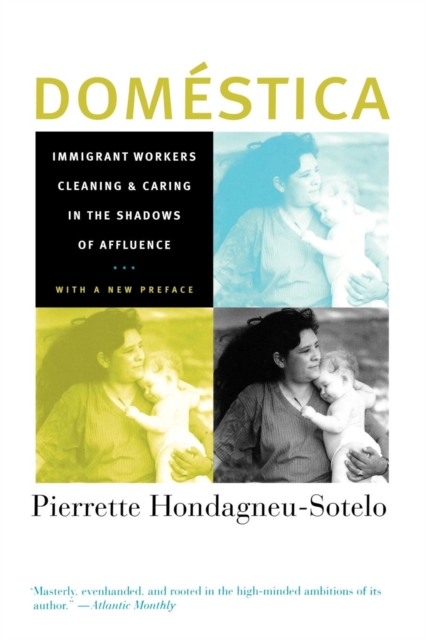
In this enlightening and timely work, Pierrette Hondagneu-Sotelo highlights the voices, experiences, and views of Mexican and Central American women who care for other people's children and homes, as well as the outlooks of the women who employ them in Los Angeles.
This business law course offers a comprehensive introduction to the fundamental legal principles and ethical considerations essential for any business professional.
Emerging trends in Industrial Engineering and Management (IEM) refer to the new and transformative developments, practices, and technologies that are currently gaining prominence in the field of industrial engineering and management.
This is the benchmark book for building client relationships, growing a practice, and avoiding litigation--written in association with the world's leading organization for financial services professionals.
This is the benchmark book for building client relationships, growing a practice, and avoiding litigation--written in association with the world's leading organization for financial services professionals.
This book contributes to our understanding of the transformation of work in the information economy, through a detailed examination of labor markets in Silicon Valley.
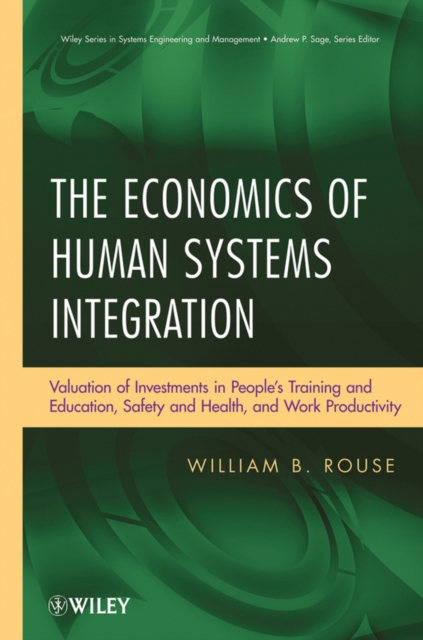
Fundamental Economic Principles, Methods, and Tools for Addressing Human Systems Integration Issues and Tradeoffs Human Systems Integration (HSI) is a new and fundamental integrating discipline designed to help move business and engineering cultures toward more human-centered systems.
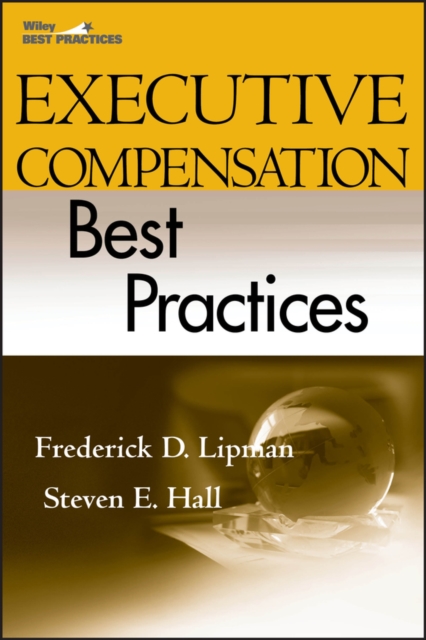
Executive Compensation Best Practices demystifies the topic of executive compensation, with a hands-on guide providing comprehensive compensation guidance for all members of the board.
In Breaking Away from Broken Windows Ralph Taylor uses data on recent Baltimore crime-reduction efforts to attack the 'broken windows' thesis--that is, the currently fashionable notion that by reducing or eliminating superficial signs of disorder (dilapidated buildings, graffiti, incivil behavior by teenagers, etc.
In Breaking Away from Broken Windows Ralph Taylor uses data on recent Baltimore crime-reduction efforts to attack the 'broken windows' thesis--that is, the currently fashionable notion that by reducing or eliminating superficial signs of disorder (dilapidated buildings, graffiti, incivil behavior by teenagers, etc.