Women and Work offers analyses of women and the labour market with respect to a wide range of topics that include technological change, skill requirements, and training; income security programs and work decisions of lone parents; the dynamics of welfare participation; school-to-work transitions; equality legislation; and collective bargaining, remuneration, and workplace benefits.
In Colonization and Community John Belshaw takes a new look at British Columbia's first working class, the men, women, and children beneath and beyond the pit-head.
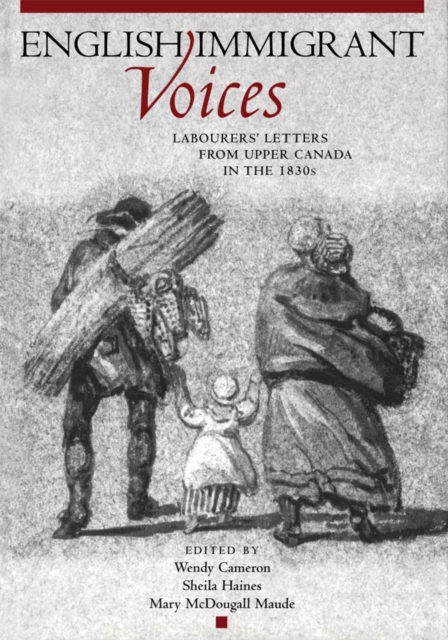
Collected from published, archival, and private sources, these letters place the Petworth immigrants in the context of their times and challenge the image of English immigrants to 1830s Upper Canada as officers and gentlewomen.
Using a sample of 324 young adults in four urban centres who left high school in the mid-1980s as well as interviews with representative parents, former teachers, and employers, the authors identify factors that ease transition from school to.
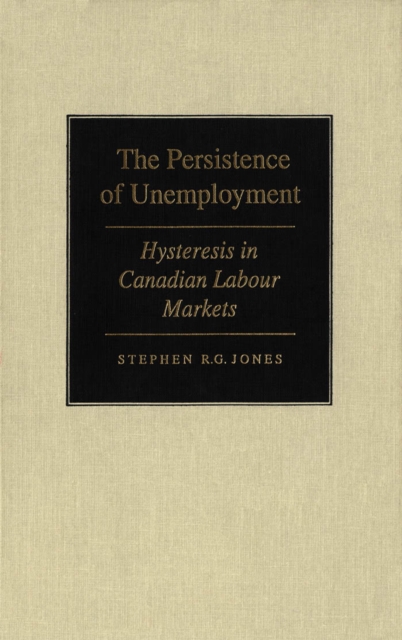
Arguing that the consequences of the unemployment crisis could have been avoided by better government policies, particularly less restrictive monetary control, the contributors examine the effect of the zero-inflation policy adopted by the Bank of Canada and the role of unemployment insurance on the unemployment crisis of recent years.
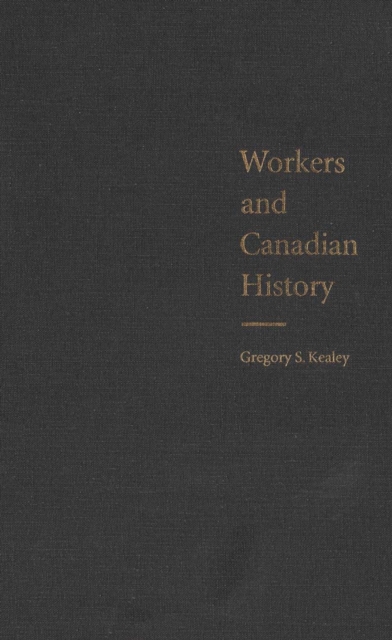
Kealey provides an overview of the study of workers in Canada as well as in-depth examinations of two of the field's leading scholars, political economist Clare Pentland and Marxist historian Stanley Brehaut Ryerson.
The deep recession and slow recovery of the Canadian economy in the 1980s and the lengthy recession of the early 1990s raised serious questions about economic policy making.
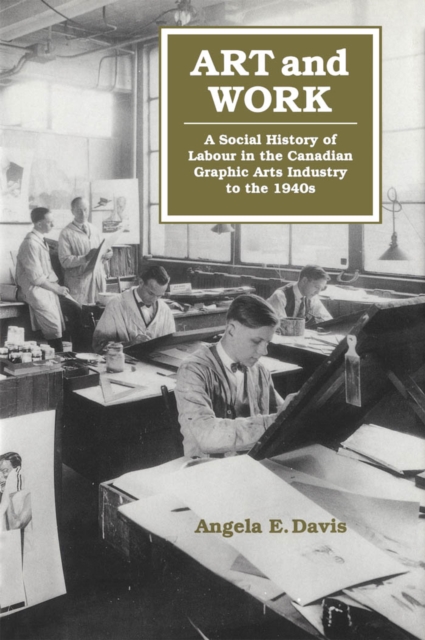
Beginning with the origins of the graphic arts industry in Britain, Angela Davis describes the development of technology, commercial organization, and professionalization of artists in Canada.
Topics include the transformation of the work force in nineteenth-century Montreal (Bettina Bradbury), feminization of skill in the British garment industry (Allison Kaye), the relationship between work and family for Japanese immigrant women in Canada (Audrey Kobayashi), experiences of women during a labour dispute in Ontario (Joy Parr), contemporary restructuring of the labour force in the United States (Susan Christopherson) and in an urban context in Montreal (Damaris Rose and Paul Villeneuve), the effect of gentrification on women's work roles (Liz Bondi), inequality in the work force (Sylvia Gold), and theoretical issues involved in understanding women in the contemporary city (Linda Peake).
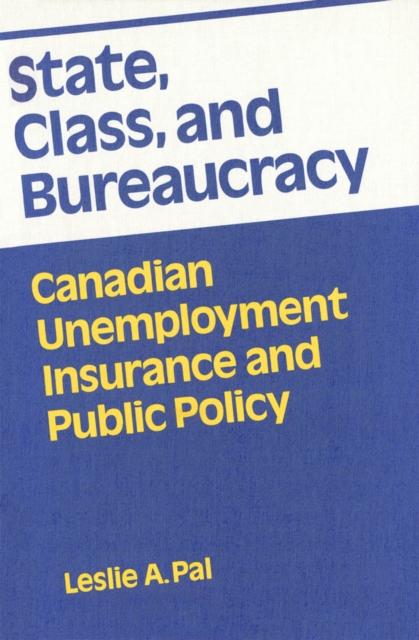
In reviewing the history of Canadian UI, Pal shows that while capital and labour had substantial disagreements over policy, their representations to state officials rarely had any decisive impact on policy development.
Although the results of colonial expansion have been described in other general studies of the region, this is the first book to take a close look at the case of the Swazi in Swaziland.
Stewart traces the implementation of these laws in factories with an examination of the work of the predominantly bourgeois inspectors and their relations with employers and workers.
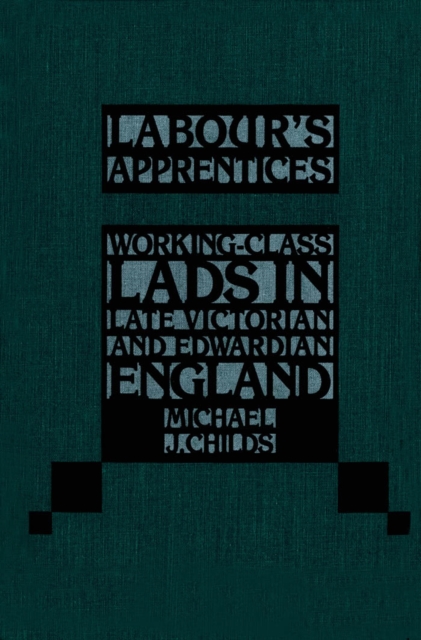
Childs discusses working-class family life and considers the changes that becoming a wage earner and a contributor to the family economy made to a youth's status within the home.
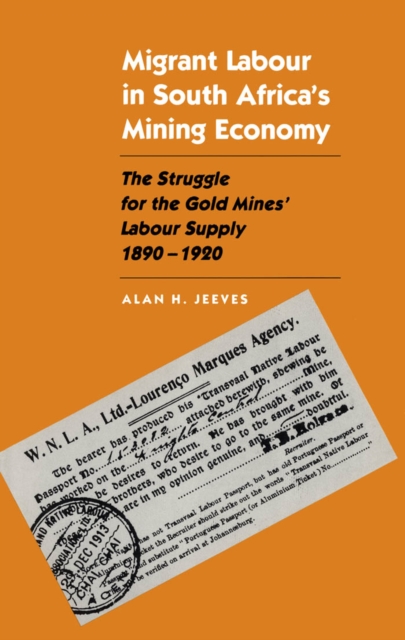
In tracing the development of the recruiting system, Alan Jeeves shows how a large proportion of the labour supply came to be controlled by private labour companies and recruiting agents, who aimed both to exploit the workers and to extract heavy fees from the employing companies.
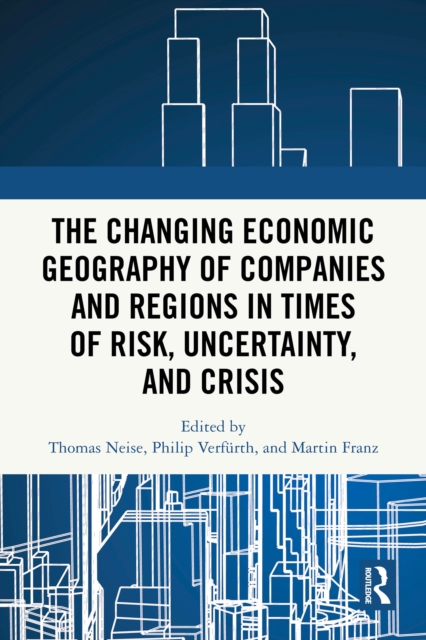
This book offers conceptual and empirical insights from economic geography to explore how uncertainties, crises, and risks, shape, reshape, and ultimately transform the spatial arrangements of companies and regions.
The UK economy is heading for a disastrous period of austerity and stagnation GDP growth is unsustainable, debt is increasing, inequality is widening and unemployment is high.
Blockchain, metaverse, and digital payment technologies, collectively called digital ecosystem, have received much attention from academia, regulators, and industry alike.
This book provides a critical overview of the myriad literatures on work, viewed not only as a product of the marketplace but also as a social and political construct.
Inequalities of opportunity affect a person's life expectancy and access to basic services and human rights through discrimination, abuse, and lack of access to justice.
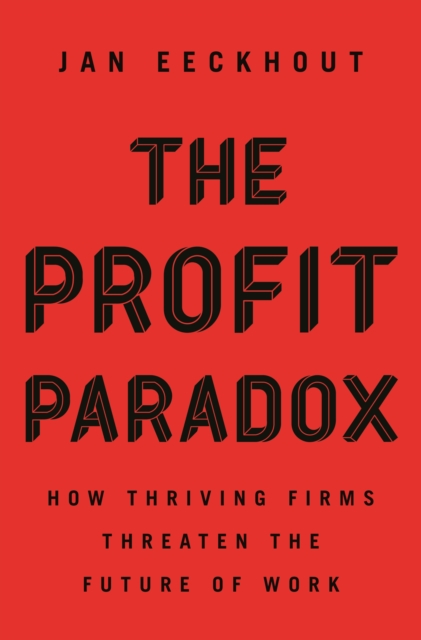
A pioneering account of the surging global tide of market power-and how it stifles workers around the worldIn an era of technological progress and easy communication, it might seem reasonable to assume that the world's working people have never had it so good.
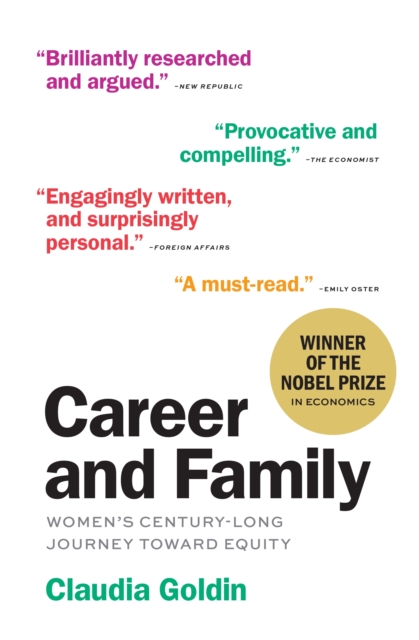
Winner of the 2023 Nobel Prize in EconomicsA renowned economic historian traces women's journey to close the gender wage gap and sheds new light on the continued struggle to achieve equity between couples at homeA century ago, it was a given that a woman with a college degree had to choose between having a career and a family.
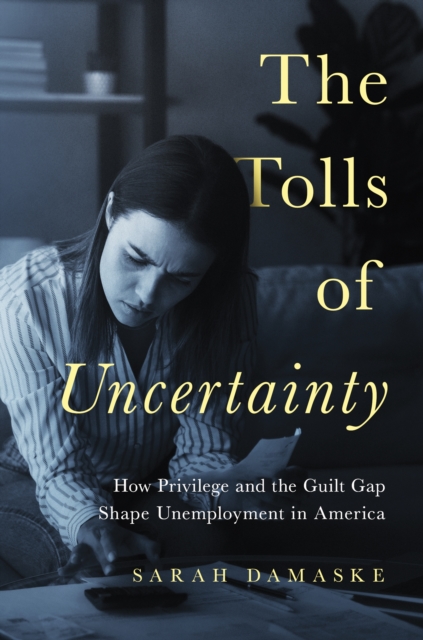
An indispensable investigation into the American unemployment system and the ways gender and class affect the lives of those looking for workThrough the intimate stories of those seeking work, The Tolls of Uncertainty offers a startling look at the nation's unemployment system-who it helps, who it hurts, and what, if anything, we can do to make it fair.
A candid explanation of how the labor market really works and is central to everything-and why it is not as healthy as we thinkRelying on unemployment numbers is a dangerous way to gauge how the labor market is doing.
An in-depth look at how employers today perceive and evaluate job applicants with nonstandard or precarious employment historiesMillions of workers today labor in nontraditional situations involving part-time work, temporary agency employment, and skills underutilization or face the precariousness of long-term unemployment.
How modern economics abandoned classical liberalism and lost its wayMilton Friedman once predicted that advances in scientific economics would resolve debates about whether raising the minimum wage is good policy.
With growing international competition, American firms have been gaced with increasing pressures to produce better products, cut costs, and improve efficiency.
The articles in this volume were first presented at the Seventh and Eighth Conferences on Economic Issues in Workers' Compensation sponsored by the National Council on Compensation Insurance.
A pioneering account of the surging global tide of market power-and how it stifles workers around the worldIn an era of technological progress and easy communication, it might seem reasonable to assume that the world's working people have never had it so good.
How modern economics abandoned classical liberalism and lost its wayMilton Friedman once predicted that advances in scientific economics would resolve debates about whether raising the minimum wage is good policy.