Given today's heightened competition between national economies in the global marketplace, many have come to believe that government intervention is needed in order for a country to maximize its economic well-being.
Given today's heightened competition between national economies in the global marketplace, many have come to believe that government intervention is needed in order for a country to maximize its economic well-being.
This book, first published in 1991, explores the complexities of the relationship between acts of Congress and nine major US corporations regarding employer-sponsored retirement plans.
This book, first published in 1991, explores the complexities of the relationship between acts of Congress and nine major US corporations regarding employer-sponsored retirement plans.
The ramifications of the Global Financial Crisis, which erupted in 2007, continue to surprise not only the general public but also finance professionals, economists, and journalists.
The ramifications of the Global Financial Crisis, which erupted in 2007, continue to surprise not only the general public but also finance professionals, economists, and journalists.
This collection of speeches delivered by Michael Debabrata Patra, Deputy Governor of the Reserve Bank of India (RBI), captures the dilemmas and trepidations of conducting monetary policy in India.
Published in 1999, this work analyzes the phenomenon of macroeconomic adjustment, with special emphasis on selected Latin American countries facing stabilization programmes.
Published in 1999, this work analyzes the phenomenon of macroeconomic adjustment, with special emphasis on selected Latin American countries facing stabilization programmes.
First published in 1999, this volume examines the role and effects of financial liberalisation in ten deregulated Asian developing countries including Indonesia, Malaysia, Myanmar, Nepal, the Philippines, Singapore, South Korea, Sri Lanka, Taiwan and Thailand.
First published in 1999, this volume examines the role and effects of financial liberalisation in ten deregulated Asian developing countries including Indonesia, Malaysia, Myanmar, Nepal, the Philippines, Singapore, South Korea, Sri Lanka, Taiwan and Thailand.
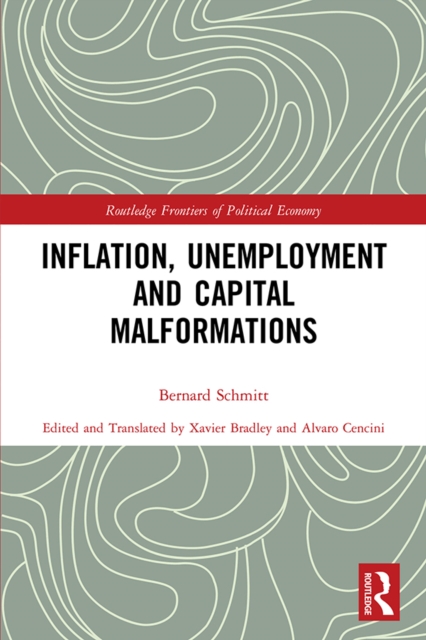
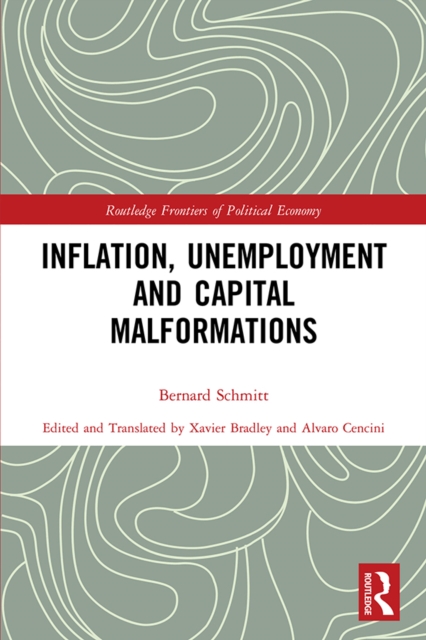
The volume deals with the main problems faced by capitalist economies, inflation and unemployment, in a new and original way, and provides the theoretical foundations for quantum macroeconomic analysis.
The volume deals with the main problems faced by capitalist economies, inflation and unemployment, in a new and original way, and provides the theoretical foundations for quantum macroeconomic analysis.
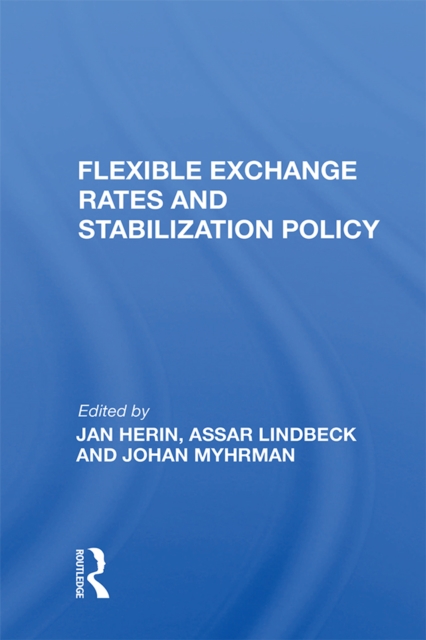
This book contains the papers, comments, and the discussion at a conference on "e;Flexible Exchange Rates and Stabilization Policy"e;, held at Saltsjobaden, Stockholm, August 26-27, 1975.
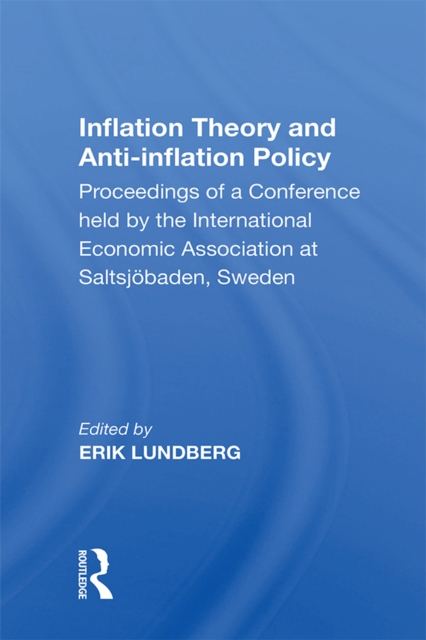
The conference that is recorded in this volume derived its initial impetus and choice of subject from the Jubilee of the Swedish Riksbank which was being celebrated in 1975.
The links between economic policy and economic growth are simultaneously obvious and obscure, with many factors interacting to influence the overall process.
While growth figures are high for Soviet industry in general, they are especially impressive for the MBMW sector which has far outperformed other sectors of the economy.
This book, prepared by the Permanent Secretariat of the Latin American Economic System (SFXA), analyzes a range of factors in the current economic policies of the United States that affect Latin American and Caribbean countries.
With the loss of Soviet control in Central and Eastern Europe, as well as the move toward economic liberalization in many developing countries, a huge increase in the number of convertible currencies in the world has occurred.
In the period just before and after the founding of the Federal Reserve System in 1913, bankers, economists, and legislators were intensely absorbed in discussing how to assure a proper functional relationship between the future central bank and the commercial banking system.
The contributors to this volume analyze the general problems of economic transition in countries of the former Eastern bloc: changing the ownership structure, abolishing the command economy, and integrating with the world economy.
The conference that is recorded in this volume derived its initial impetus and choice of subject from the Jubilee of the Swedish Riksbank which was being celebrated in 1975.
This book contains the papers, comments, and the discussion at a conference on "e;Flexible Exchange Rates and Stabilization Policy"e;, held at Saltsjobaden, Stockholm, August 26-27, 1975.
The links between economic policy and economic growth are simultaneously obvious and obscure, with many factors interacting to influence the overall process.
While growth figures are high for Soviet industry in general, they are especially impressive for the MBMW sector which has far outperformed other sectors of the economy.
With the loss of Soviet control in Central and Eastern Europe, as well as the move toward economic liberalization in many developing countries, a huge increase in the number of convertible currencies in the world has occurred.