First published in 1959, The Keynesian Theory of Economic Development is perhaps the first systematic attempt to apply post-Keynesian dynamic economics to the problems of underdeveloped countries.
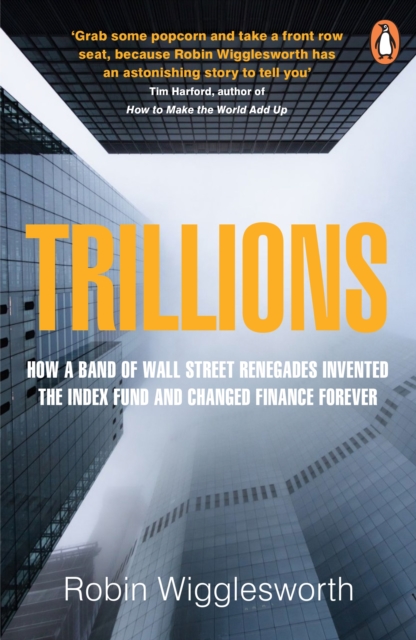
Best books of 2021, Financial Times'Grab some popcorn and take a front row seat, because Robin Wigglesworth has an astonishing story to tell you' Tim Harford, author of How to Make the World Add Up'A fascinating account of an investment revolution' Ian Fraser, Literary Review'A magisterial, delightfully written history offering up portraits of the academic scribblers and entrepreneurial practitioners who created the index-fund revolution' The Wall Street Journal'Wigglesworth has written an important book' Patrick Hosking, Financial Editor, The Times'A terrific read' Gregory Zuckerman, author of The Man Who Solved the Market'A fascinating journey and a crucial book for anyone trying to understand the financial markets' Bradley Hope, author of Billion Dollar Whale---------------------------------------------------------------------------------------------------------In Trillions, Financial Times journalist Robin Wigglesworth unveils the vivid secret history of index funds, bringing to life the colourful characters behind their birth, growth and evolution into a world-conquering phenomenon.
The founder and executive chairman of the World Economic Forum on how the impending technological revolution will change our livesWe are on the brink of the Fourth Industrial Revolution.
The return of the best-selling, award-winning economist extraordinaireWith the same powerful evidence, and range of reference, as his global bestseller Capital in the Twenty-First Century - and in columns of 700 words, rather than 700 pages - Chronicles sets out Thomas Piketty's analysis of the financial crisis, what has happened since and where we should go from here.
Empty shelves, petrol station queues and energy shortages: crises more familiar to those who lived through the 1960s and 1970s have now become a reality for many as global shipping times are squeezed, containers lie unopened at docks and supply shortages push up inflation, increasing the cost of consumer goods from milk to cars to building materials.
Since the creation of the euro and a European Central Bank, the European Union has persistently pursued financial market integration throughout periods of economic growth, membership enlargements, financial breakdown, and political crisis.
From Nobel Prize-winning economist and best-selling author Joseph Sitglitz, author of Globalization and Its Discontents, this is the essential, must-read guide to the future of Europe.
In The New Case for Gold, James Rickards explains why gold is one of the safest assets for investors in times of political instability and market volatility, and how every investor should look to add gold to his or her portfolio.
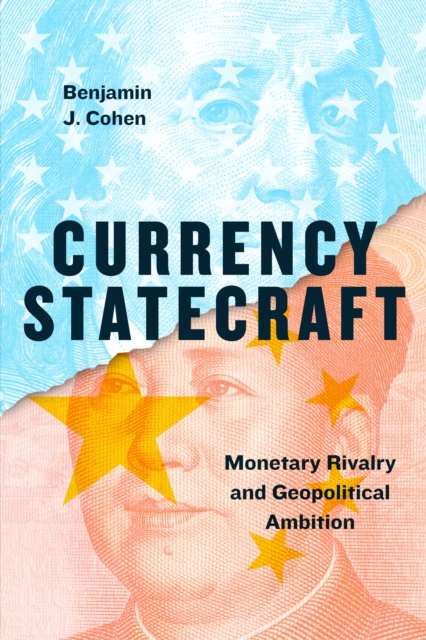
At any given time, a limited number of national currencies are used as instruments of international commerce, to settle foreign trade transactions or store value for investors and central banks.
In Monetary Policy, leading monetary economists discuss applied aspects of monetary policy and offer practical new research on the timing, magnitude, and channels of central banking actions.
This volume presents the latest thoughts of a brilliant group of young economists on one of the most persistent economic problems facing the United States and the world, inflation.
The special task of this book is to present a statistical and theoretical analysis of the relation between the quantity of money and other key economic magnitudes over periods longer than those dominated by cyclical fluctuations-hence the term trends in the title.
Economists and policymakers are still trying to understand the lessons recent financial crises in Asia and other emerging market countries hold for the future of the global financial system.
Although inflation is much feared for its negative effects on the economy, how to measure it is a matter of considerable debate that has important implications for interest rates, monetary supply, and investment and spending decisions.
Economic growth, low inflation, and financial stability are among the most important goals of policy makers, and central banks such as the Federal Reserve are key institutions for achieving these goals.
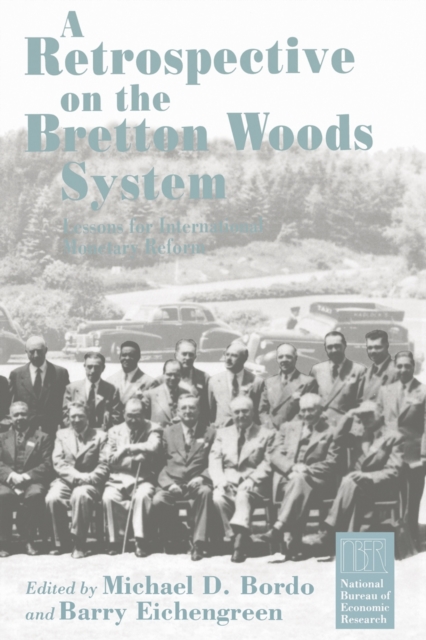
At the close of the Second World War, when industrialized nations faced serious trade and financial imbalances, delegates from forty-four countries met in Bretton Woods, New Hampshire, in order to reconstruct the international monetary system.
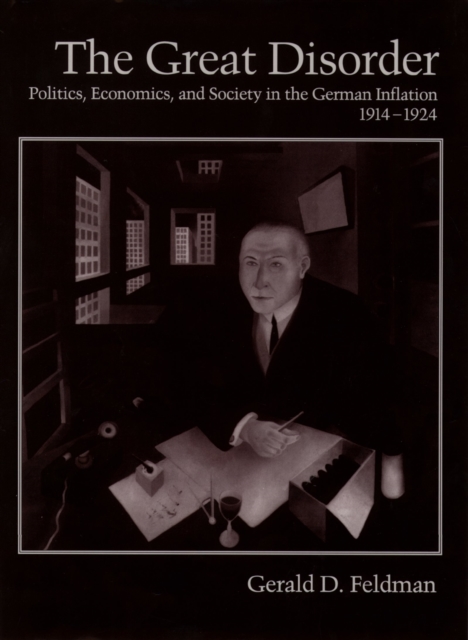
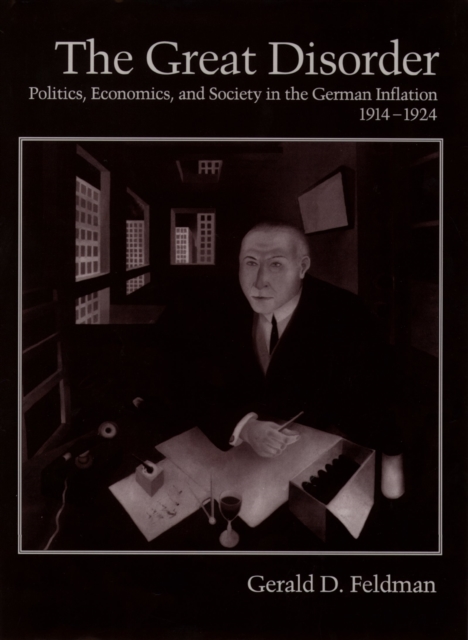
This book presents a comprehensive study of the most famous and spectacular instance of inflation in modern industrial society--that in Germany during and following World War I.
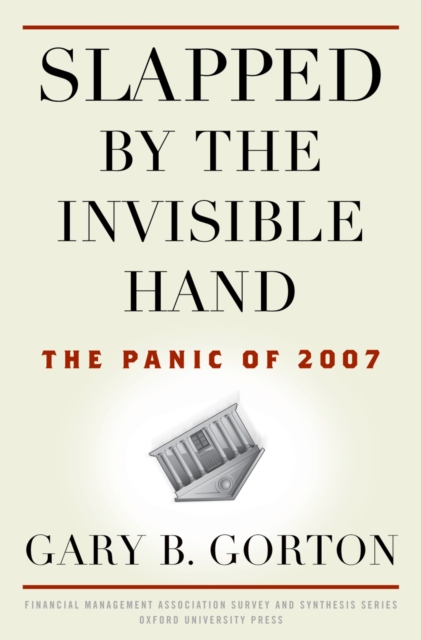
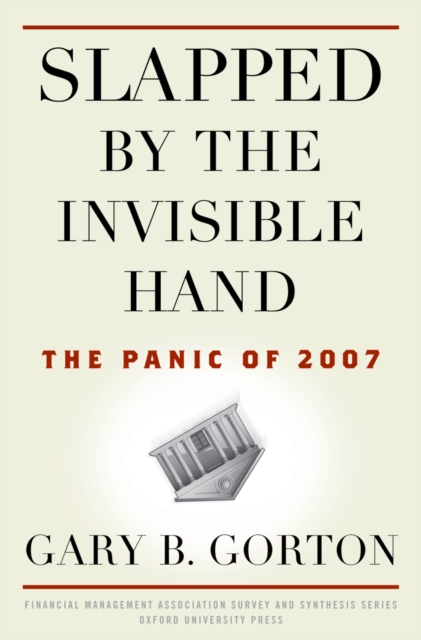
Originally written for a conference of the Federal Reserve, Gary Gorton's "e;The Panic of 2007"e; garnered enormous attention and is considered by many to be the most convincing take on the recent economic meltdown.
This book presents a comprehensive study of the most famous and spectacular instance of inflation in modern industrial society--that in Germany during and following World War I.
Originally written for a conference of the Federal Reserve, Gary Gorton's "e;The Panic of 2007"e; garnered enormous attention and is considered by many to be the most convincing take on the recent economic meltdown.