Roepke's The Social Crisis of Our Time is a series of blasts against the malformations of economics: the Nazi and Communist forms of collectivism both come in for severe criticism.
Roepke's The Social Crisis of Our Time is a series of blasts against the malformations of economics: the Nazi and Communist forms of collectivism both come in for severe criticism.
This book brings together leading scholars of the history of economic thought to demonstrate the vitality and richness of a discipline that welcomes both practitioners of intellectual, contextual history, as well as specialists in the historical explanation of the analytical and theoretical dimension of economic science.
This book brings together leading scholars of the history of economic thought to demonstrate the vitality and richness of a discipline that welcomes both practitioners of intellectual, contextual history, as well as specialists in the historical explanation of the analytical and theoretical dimension of economic science.
The aim of this book is to prove that at this present time, with our conditions of production, periodically recurrent depressions, with all their consequences are inevitable.
The aim of this book is to prove that at this present time, with our conditions of production, periodically recurrent depressions, with all their consequences are inevitable.
In this book, originally published in 1936, the author charts the sequence of events which converted him from an advocate of the restoration of the gold standard to a convinced opponent.
In this book, originally published in 1936, the author charts the sequence of events which converted him from an advocate of the restoration of the gold standard to a convinced opponent.
Originally published in 1997, Issues in International Capital Mobility addresses a few of the ambiguities arising in empirical investigations of capital market openness.
Originally published in 1997, Issues in International Capital Mobility addresses a few of the ambiguities arising in empirical investigations of capital market openness.
An original and systematic synthesis of the major postwar developments in theory and policy of balance-of-payments adjustment, this book focuses on the present-day system of pegged-but-adjustable exchange rates and the problems that policy authorities must face if they are to attain full employment, price stability, balance-of-payments equilibrium, and a satisfactory rate of economic growth.
An original and systematic synthesis of the major postwar developments in theory and policy of balance-of-payments adjustment, this book focuses on the present-day system of pegged-but-adjustable exchange rates and the problems that policy authorities must face if they are to attain full employment, price stability, balance-of-payments equilibrium, and a satisfactory rate of economic growth.
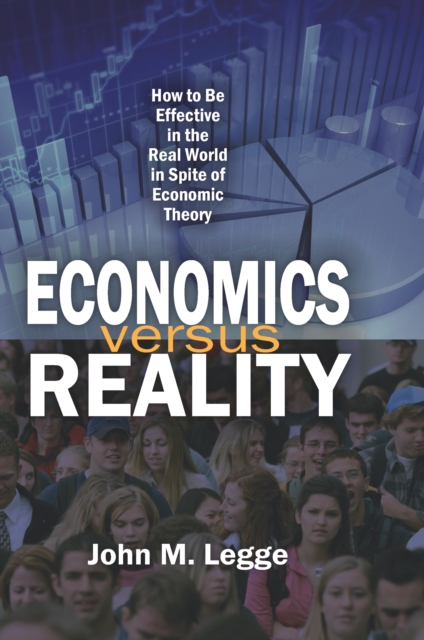
Commissions of experts regularly meet to reply to questions such as: What will be the population of the country, or even of our planet, in ten, fifteen or twenty-five years?
Commissions of experts regularly meet to reply to questions such as: What will be the population of the country, or even of our planet, in ten, fifteen or twenty-five years?
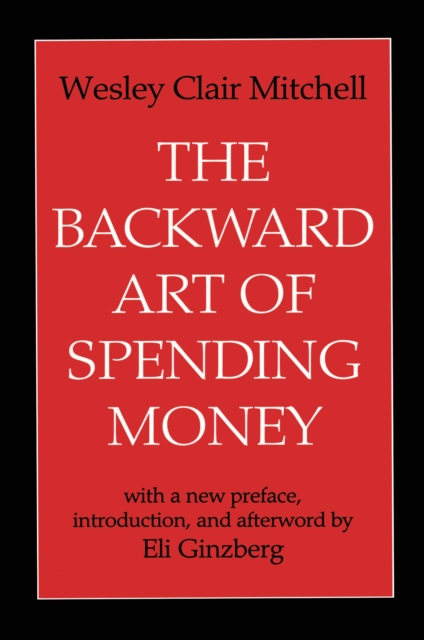
Nearly 85 years ago, Wesley Clair Mitchell, the acknowledged leader of American economists during the first half of this century, wrote: "e;Important as the art of spending is, we have developed less skill in its practice than in the practice of making money.
Nearly 85 years ago, Wesley Clair Mitchell, the acknowledged leader of American economists during the first half of this century, wrote: "e;Important as the art of spending is, we have developed less skill in its practice than in the practice of making money.
The world economy has undergone a fundamental transformation in recent decades and theoretical structures inherited from the 1930s through the 1950s, while retaining large elements of truth, are inadequate to deal with current problems.
The world economy has undergone a fundamental transformation in recent decades and theoretical structures inherited from the 1930s through the 1950s, while retaining large elements of truth, are inadequate to deal with current problems.
The aim of Bernard Schmitt's analysis of the monetary economy of production was twofold: to introduce and to explain the logical character of the macroeconomic laws governing our economies and to explain the origin of the pathologies that follow if these laws are not complied with.
The aim of Bernard Schmitt's analysis of the monetary economy of production was twofold: to introduce and to explain the logical character of the macroeconomic laws governing our economies and to explain the origin of the pathologies that follow if these laws are not complied with.