The recent financial crisis and the difficulty of using mainstream macroeconomic models to accurately monitor and assess systemic risk have stimulated new analyses of how we measure economic activity and the development of more sophisticated models in which the financial sector plays a greater role.
Economic growth, low inflation, and financial stability are among the most important goals of policy makers, and central banks such as the Federal Reserve are key institutions for achieving these goals.
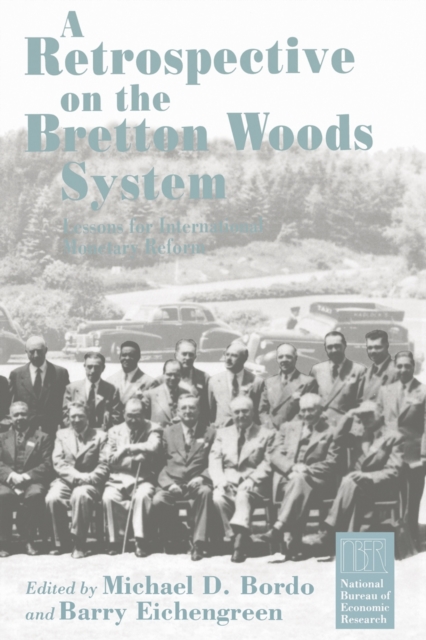
At the close of the Second World War, when industrialized nations faced serious trade and financial imbalances, delegates from forty-four countries met in Bretton Woods, New Hampshire, in order to reconstruct the international monetary system.
As Japan's decade-long economic stagnation continues, there has been much analysis of the immediate macroeconomic problems that confront the Japanese economy.
During the twentieth century, foreign-exchange intervention was sometimes used in an attempt to solve the fundamental trilemma of international finance, which holds that countries cannot simultaneously pursue independent monetary policies, stabilize their exchange rates, and benefit from free cross-border financial flows.
Geography and Ownership as Bases for Economic Accounting provides a forum for leading specialists in trade and international economics to explore whether changes in the world economy have increased the usefulness of international accounts drawn up on the basis of ownership rather than on geography.
The realities of mounting government debt, tax burdens, and an aging population raise serious concerns about the financial legacy confronting future generations.
The recent recession has brought fiscal policy back to the forefront, with economists and policy makers struggling to reach a consensus on highly political issues like tax rates and government spending.
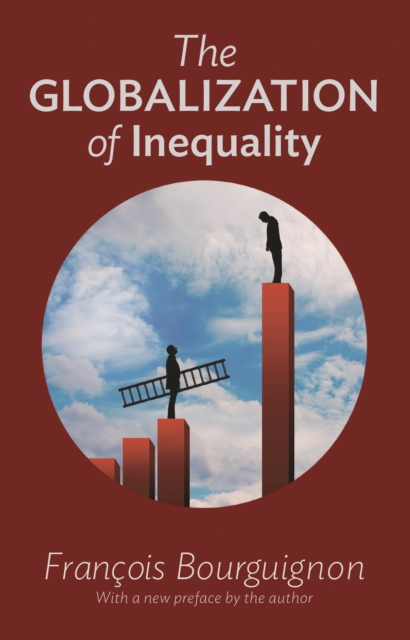
Why national and international equality matter and what we can do to ensure a fairer worldIn The Globalization of Inequality, distinguished economist and policymaker Francois Bourguignon examines the complex and paradoxical links between a vibrant world economy that has raised the living standard of over half a billion people in emerging nations such as China, India, and Brazil, and the exponentially increasing inequality within countries.
In Asset Management: A Systematic Approach to Factor Investing, Professor Andrew Ang presents a comprehensive, new approach to the age-old problem of where to put your money.
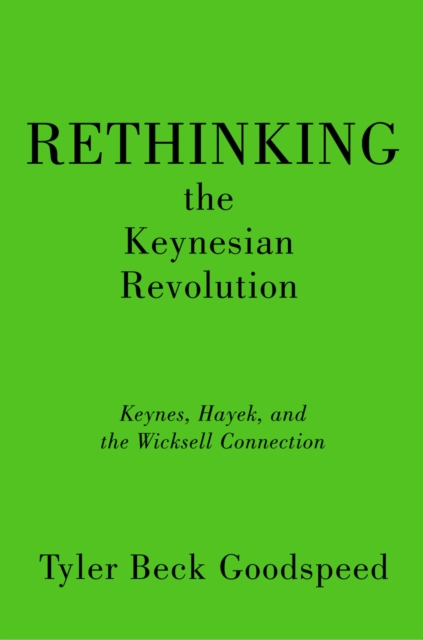
While standard accounts of the 1930s debates surrounding economic thought pit John Maynard Keynes against Friedrich von Hayek in a clash of ideology, this reflexive dichotomy is in many respects superficial.
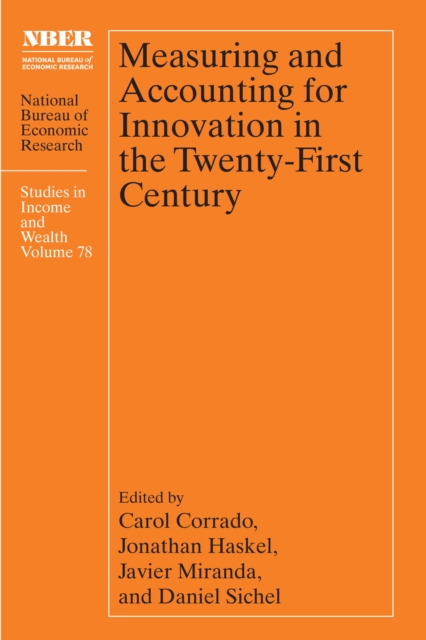
Measuring innovation is a challenging task, both for researchers and for national statisticians, and it is increasingly important in light of the ongoing digital revolution.
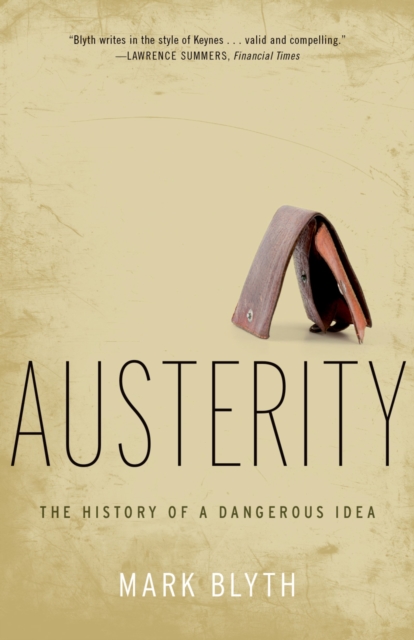
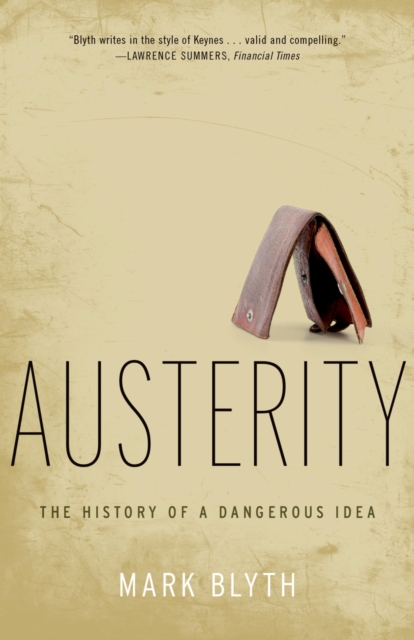
Selected as a Financial Times Best Book of 2013Governments today in both Europe and the United States have succeeded in casting government spending as reckless wastefulness that has made the economy worse.
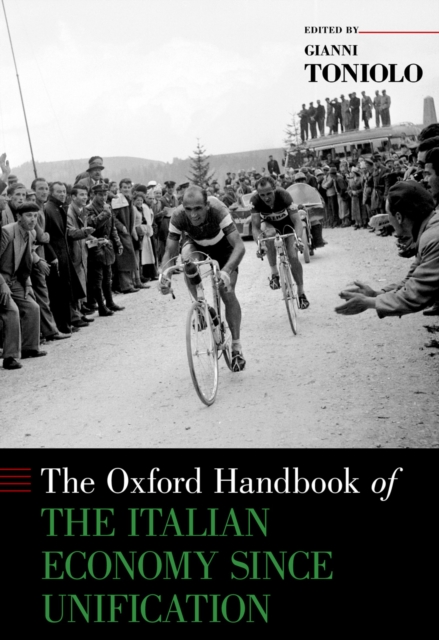
This Oxford Handbook provides a fresh overall view and interpretation of the modern economic growth of one of the largest European countries, whose economic history is less known internationally than that of other comparably large and successful economies.
Expectations, Employment and Prices brings Keynesian economics into the 21st century by providing a new paradigm that explains how high unemployment could potentially persist forever without a little help from the government.
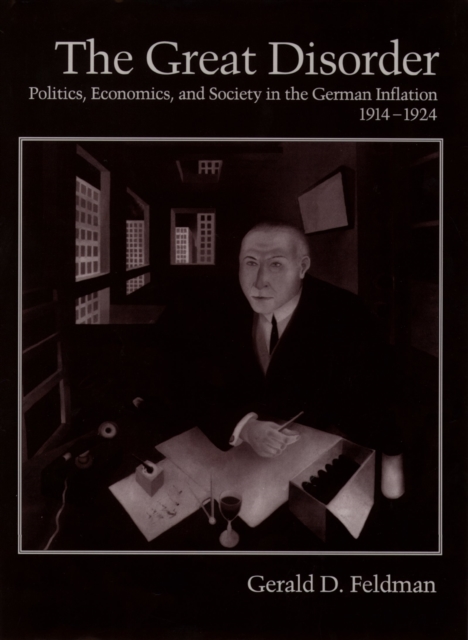
This book presents a comprehensive study of the most famous and spectacular instance of inflation in modern industrial society--that in Germany during and following World War I.
The first World Climate Conference, which was sponsored by the World Meteorological Organization in Geneve in 1979, triggered an international dialogue on global warming.
While standard accounts of the 1930s debates surrounding economic thought pit John Maynard Keynes against Friedrich von Hayek in a clash of ideology, this reflexive dichotomy is in many respects superficial.
Selected as a Financial Times Best Book of 2013Governments today in both Europe and the United States have succeeded in casting government spending as reckless wastefulness that has made the economy worse.
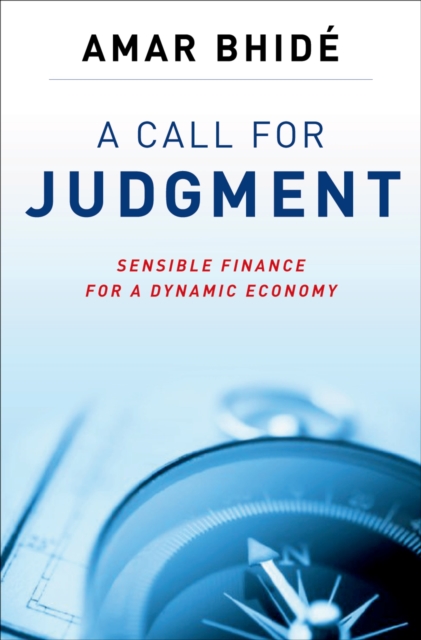
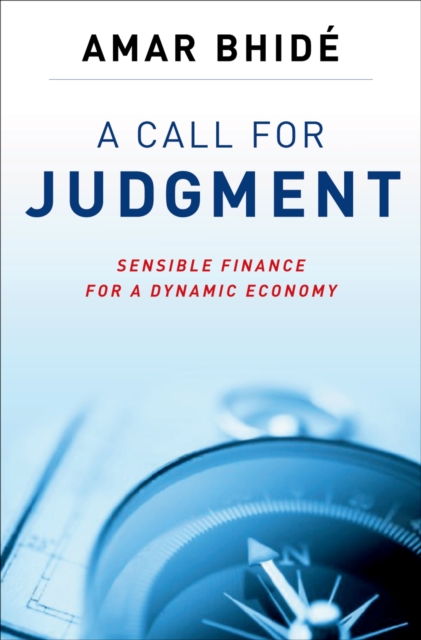
Our prosperity requires the enterprise of innumerable individuals and businesses who exercise their imagination and judgment-and bear responsibility for outcomes.
Our prosperity requires the enterprise of innumerable individuals and businesses who exercise their imagination and judgment-and bear responsibility for outcomes.
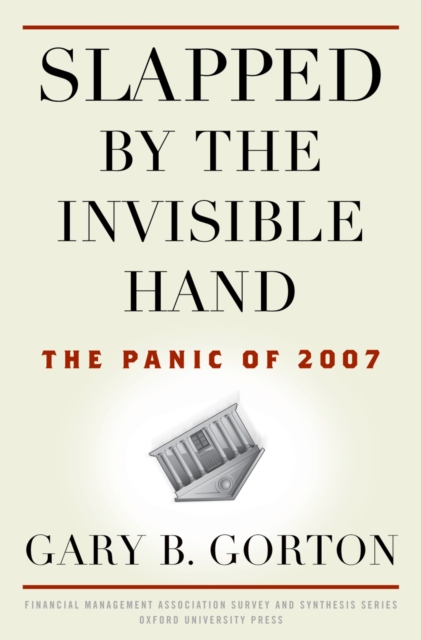
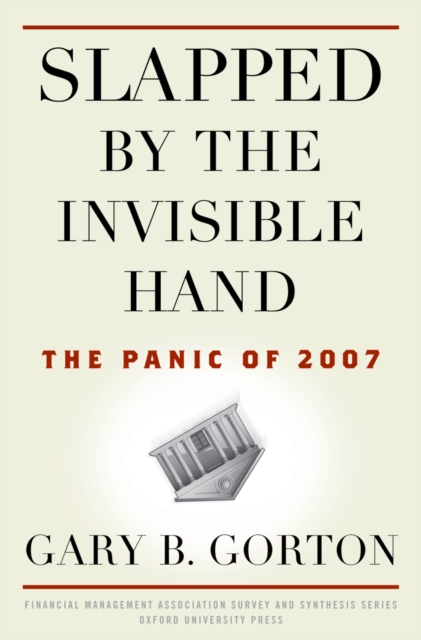
Originally written for a conference of the Federal Reserve, Gary Gorton's "e;The Panic of 2007"e; garnered enormous attention and is considered by many to be the most convincing take on the recent economic meltdown.
This book presents a comprehensive study of the most famous and spectacular instance of inflation in modern industrial society--that in Germany during and following World War I.
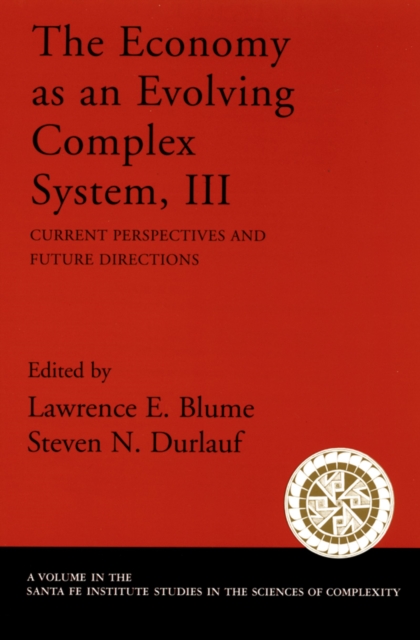
Derived from the 2001 Santa Fe Institute Conference, "e;The Economy as an Evolving Complex System III,"e; represents scholarship from the leading figures in th area of economics and complexity.
Originally written for a conference of the Federal Reserve, Gary Gorton's "e;The Panic of 2007"e; garnered enormous attention and is considered by many to be the most convincing take on the recent economic meltdown.