A thought-provoking challenge to our ideas about philanthropy, marking it as a deeply political activity that allows the wealthy to dictate more than we think.
In 1945, Vannevar Bush, founder of Raytheon and one-time engineering dean at MIT, delivered a report to the president of the United States that argued for the importance of public support for science, and the importance of science for the future of the nation.
Handbook of International Economics, Fifth Edition provides a definitive reference and teaching supplement for researchers and advanced graduate students.
Handbook of Agricultural Economics, Volume Six highlights new advances in the field, with this new release exploring comprehensive chapters written by an international board of authors who discuss topics such as The Economics of Food Loss and Waste, Empowering Communities Using an Integrated Design of Food Networks, Concentration in Food and Agricultural Markets, Agriculture and trade, Producers, Consumers, and Value Chains in Developing Countries, The Multiple Burdens of Malnutrition: Dietary Transition and Food System Transformation in Economic Development, Psychophysiological Measures and Consumer Food Choice, and The Economics of Health and Nutrition Related Food Policies: The Effects on the Public Health and Malnutrition.
Handbook of Agricultural Economics, Volume Five highlights new advances in the field, with this new release exploring comprehensive chapters written by an international board of authors who discuss topics such as The Economics of Agricultural Innovation, Climate, food and agriculture, Agricultural Labor Markets: Immigration Policy, Minimum Wages, Etc.
Not long ago Italy was Europe's highly touted emerging economy, a society that blended dynamism and super-fast growth with a lifestyle that was the envy of all.
A compelling argument for broad-based profit sharing and employee ownership in keeping with the economic vision of America’s Founders The idea of workers owning the businesses where they work is not new.
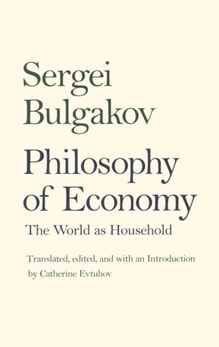
The writings of Sergei Bulgakov (1871–1944), like those of other major social thinkers of Russia’s Silver Age, were obliterated from public consciousness under Soviet rule.
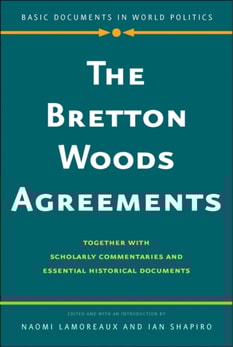
Commentaries by top scholars alongside the most important documents and speeches concerning the Bretton Woods Conference of 1944 The two world wars brought an end to a long-standing system of international commerce based on the gold standard.
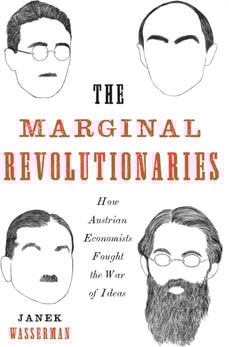
A group history of the Austrian School of Economics, from the coffeehouses of imperial Vienna to the modern-day Tea Party The Austrian School of Economics—a movement that has had a vast impact on economics, politics, and society, especially among the American right—is poorly understood by supporters and detractors alike.
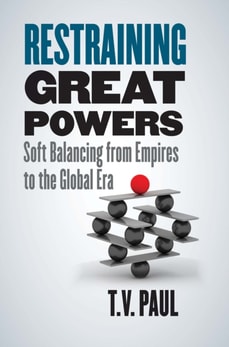
At the end of the Cold War, the United States emerged as the world’s most powerful state, and then used that power to initiate wars against smaller countries in the Middle East and South Asia.
A comprehensive and revealing account of the ongoing struggles and instability of India’s political and economic institutions India’s ascent as a formidable power on the world stage and its geopolitical ramifications have received much attention in recent years.
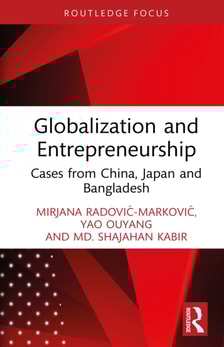
Globalization and Entrepreneurship explores the transformative impact of digital technologies on entrepreneurship across three distinct, but interconnected nations.
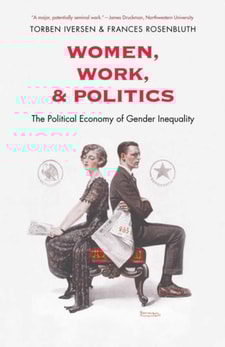
Looking at women's power in the home, in the workplace, and in politics from a political economy perspective, Torben Iversen and Frances Rosenbluth demonstrate that equality is tied to demand for women's labor outside the home, which is a function of structural, political, and institutional conditions.
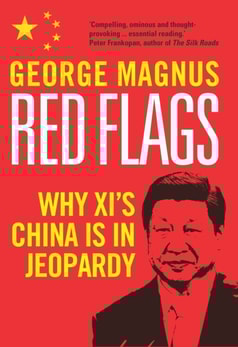
A trusted economic commentator provides a penetrating account of the threats to China's continued economic rise Under President Xi Jinping, China has become a large and confident power both at home and abroad, but the country also faces serious challenges.
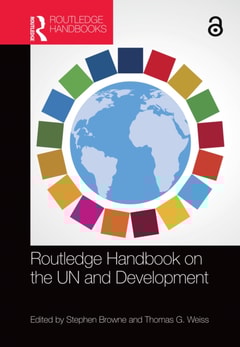
International commissions, academics, practitioners, and the media have long been critical of the UN's development efforts as disjointed and not fit for purpose; yet the organization has been an essential contributor to progress and peacebuilding.
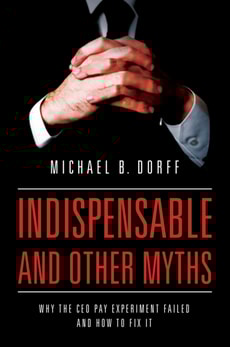
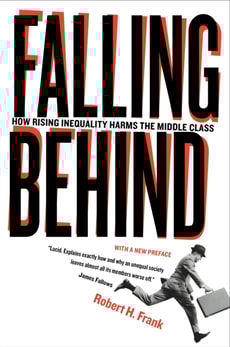
Prodded by economists in the 1970s, corporate directors began adding stock options and bonuses to the already-generous salaries of CEOs with hopes of boosting their companies' fortunes.
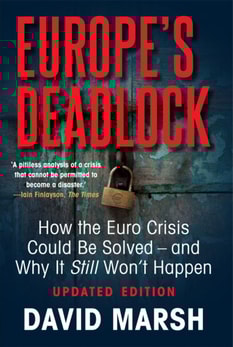
With new material on the astonishing 2014–15 monetary rollercoaster, an incisive chronicler of the euro’s upheavals explains how Europe’s single currency has lurched in and out of crisis—with widespread repercussions for Britain and the rest of the world.
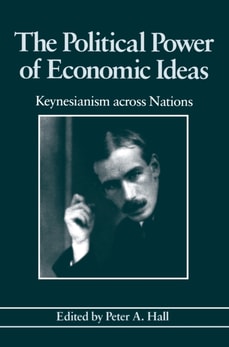
John Maynard Keynes once observed that the "e;ideas of economists and political philosophers, both when they are right and when they are wrong, are more powerful than is commonly understood.
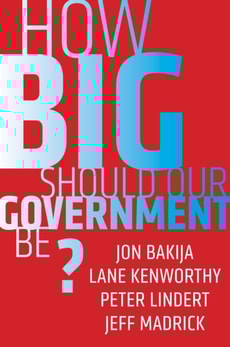
The size of government is arguably the most controversial discussion in United States politics, and this issue wont fade from prominence any time soon.
Arguing that Americans should turn to private entrepreneurs rather than the federal government to guarantee the protection and improvement of environmental quality, the authors document numerous examples of how entrepreneurs have satisfied the growing demand for environmental quality.
A new edition of the classic work on the economic tools of foreign policyToday's complex and dangerous world demands a complete understanding of all the techniques of statecraft, not just military ones.
In fast-moving markets, no organization can expect to identify and keep the best ideas by working in isolation; innovation is now running on an open model, with input from a variety of disciplines and sources, including specialists, employees, suppliers and, in particular, customers and clients.
This challenging book argues convincingly that research on European integration has lagged behind important theoretical developments in the fields of international relations, international political economy, and international organization.
We live in a world of big data: the amount of information collected on human behavior each day is staggering, and exponentially greater than at any time in the past.
A comprehensive account of how the Athenian constitution was created-with lessons for contemporary constitution-buildingWe live in an era of constitution-making.