Supervisory Skills for the Technical Manager: A Guide to Success focuses exclusively on the dynamics of being a technical manager such as a scientist, programmer, or engineer.
A proven way to manage risk in today's business world Understanding how the risk process works is a critical concept that business professionals must come to learn.
Active Investment Management looks at where active management has come from, where it is today, what problems it faces and where the answers to these questions are leading it.
Providing a balanced and practical approach to capital management and budgeting, this book covers the full spectrum of capital investments, from the basics through the latest innovations.
In an age where companies and financial institutions are keenly focused on managing the financial risk of their operations, the implementation of quantitative methods and models has been of tremendous help.
The most up-to-date resource on market risk methodologies Financial professionals in both the front and back office require an understanding of market risk and how to manage it.
Control the number one cause of financial loss currency fluctuation With cross-border commerce now the global norm, companies must now face the greatest threat to their financial stability: financial losses due to currency fluctuations.
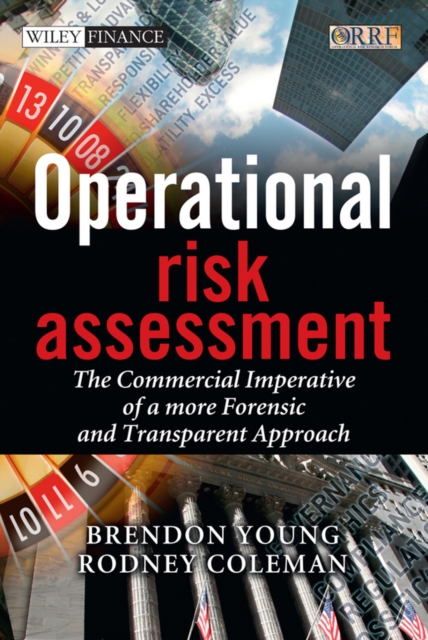
Operational risk assessment The Commercial Imperative of a More Forensic and Transparent Approach Brendon Young and Rodney Coleman Brendon Young and Rodney Coleman's book is extremely timely.
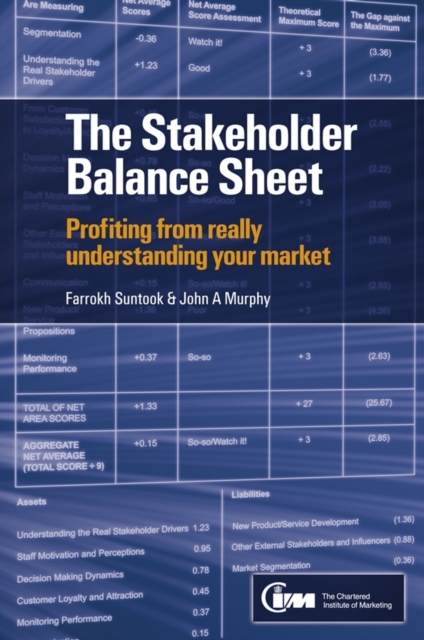
This book provides an as yet unavailable tool, the Stakeholder Balance Sheet, enabling managers within any organisation to unlock the DNA of the market place in which they operate and to measure their effectiveness in understanding their markets and all the key stakeholders operating within them.
This handbook shows a firm how to repurpose its risk management in order to design and implement a corporate culture which involves all business units and individuals at each level of the hierarchy, how to analyse its risk appetite, translate it into risk policies and risk targets and distribute responsibilities and capabilities accordingly.
This handbook shows a firm how to repurpose its risk management in order to design and implement a corporate culture which involves all business units and individuals at each level of the hierarchy, how to analyse its risk appetite, translate it into risk policies and risk targets and distribute responsibilities and capabilities accordingly.
Praise for VALUE MAPS "e;Equivocator, Explorer, Experimenter, Exploiter, Extender Chapter 12 might be well served as mandatory reading for all subject matter experts!
Praise for VALUE MAPS "e;Equivocator, Explorer, Experimenter, Exploiter, Extender Chapter 12 might be well served as mandatory reading for all subject matter experts!
Take control of your organization's short- and long-term financial plan Now fully revised, Not-for-Profit Budgeting and Financial Management, Second Edition, offers a financial planning system that is not only easy to use and monitor, but also ensures true fiscal accountability in the complex not-for-profit arena.
Take control of your organization's short- and long-term financial plan Now fully revised, Not-for-Profit Budgeting and Financial Management, Second Edition, offers a financial planning system that is not only easy to use and monitor, but also ensures true fiscal accountability in the complex not-for-profit arena.
What every not-for-profit must know about accounting, tax, and reporting requirements Combining the proven guidance of the previous, bestselling edition with all of the latest regulatory information, Edward McMillan delivers a one-stop reporting resource for not-for-profits in Not-For-Profit Accounting, Tax, and Reporting Requirements, Second Edition.
What every not-for-profit must know about accounting, tax, and reporting requirements Combining the proven guidance of the previous, bestselling edition with all of the latest regulatory information, Edward McMillan delivers a one-stop reporting resource for not-for-profits in Not-For-Profit Accounting, Tax, and Reporting Requirements, Second Edition.
According to industry experts, a typical one billion dollar company spends approximately $27 million on unnecessary working capital and inefficient processing functions because they lack visibility into the financial supply chain.
According to industry experts, a typical one billion dollar company spends approximately $27 million on unnecessary working capital and inefficient processing functions because they lack visibility into the financial supply chain.
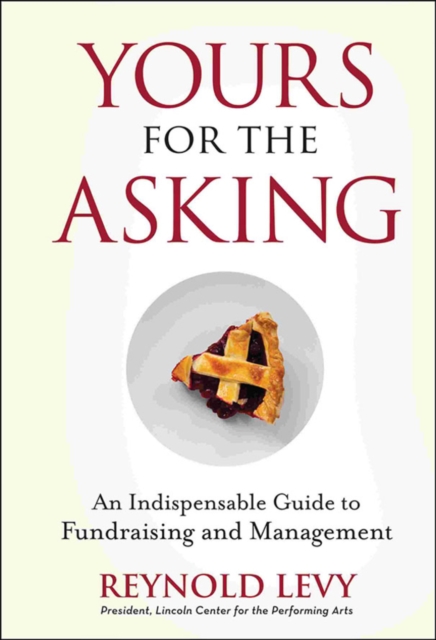
Praise for Yours for the Asking: An Indispensable Guide to Fundraising and Management "e;Reynold Levy is a master at persuading people to give money lots of money to worthy causes.
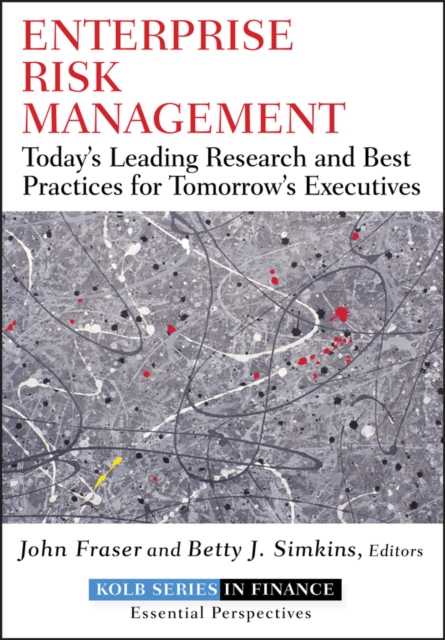
Essential insights on the various aspects of enterprise risk management If you want to understand enterprise risk management from some of the leading academics and practitioners of this exciting new methodology, Enterprise Risk Management is the book for you.
Essential insights on the various aspects of enterprise risk management If you want to understand enterprise risk management from some of the leading academics and practitioners of this exciting new methodology, Enterprise Risk Management is the book for you.
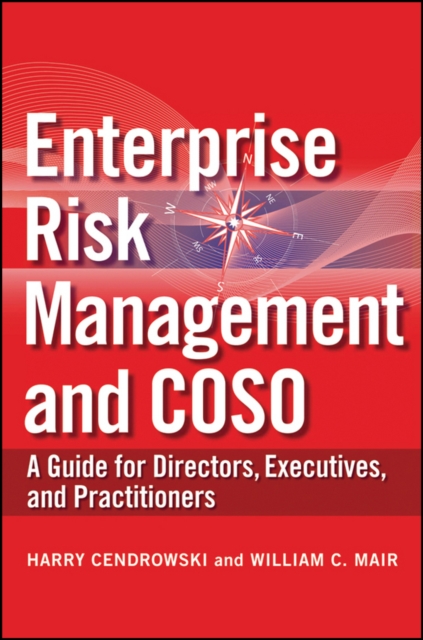
Praise for Enterprise Risk Management and COSO: A Guide for Directors, Executives, and Practitioners "e;Enterprise Risk Management and COSO is a comprehensive reference book that presents core management of risk tools in a helpful and organized way.
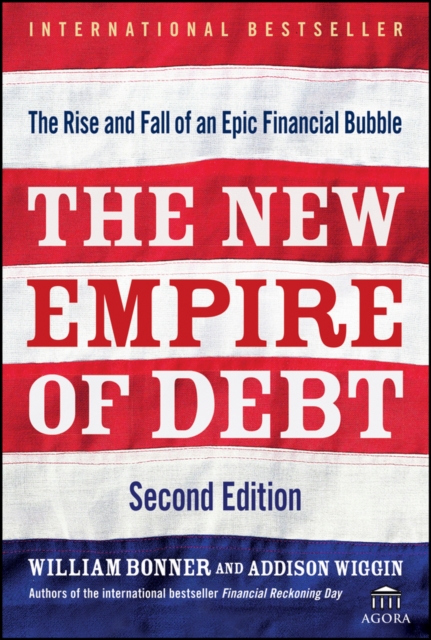
An updated look at the United States' precarious position given the recent financial turmoil In The New Empire of Debt, financial writers Bill Bonner and Addison Wiggin return to reveal how the financial crisis that has plagued the United States will soon bring an end to this once great empire.
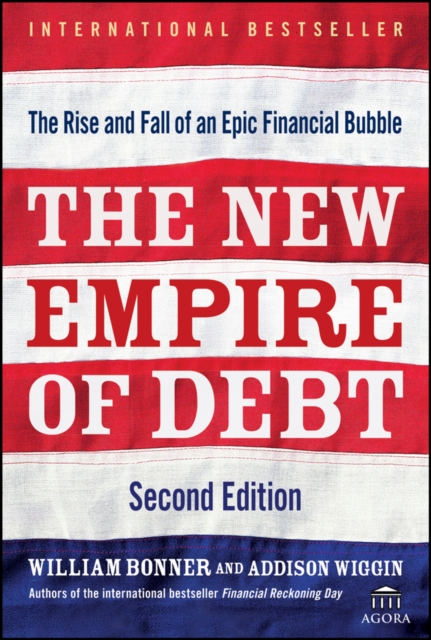
An updated look at the United States' precarious position given the recent financial turmoil In The New Empire of Debt, financial writers Bill Bonner and Addison Wiggin return to reveal how the financial crisis that has plagued the United States will soon bring an end to this once great empire.
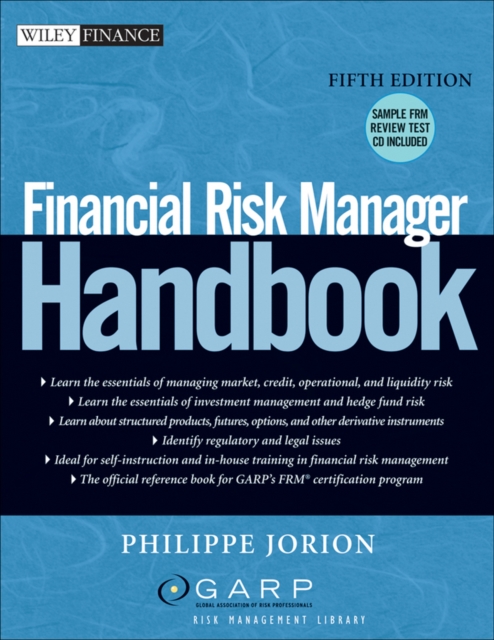
The essential reference for financial risk management Filled with in-depth insights and practical advice, theFinancial Risk Manager Handbook is the core text for riskmanagement training programs worldwide.
Praise for Running a Public Company: From IPO to SEC Reporting "e;Steve Bragg's book is an essential read for anyone contemplating a public offering or taking on leadership responsibility in a public company.
Praise for Running a Public Company: From IPO to SEC Reporting "e;Steve Bragg's book is an essential read for anyone contemplating a public offering or taking on leadership responsibility in a public company.
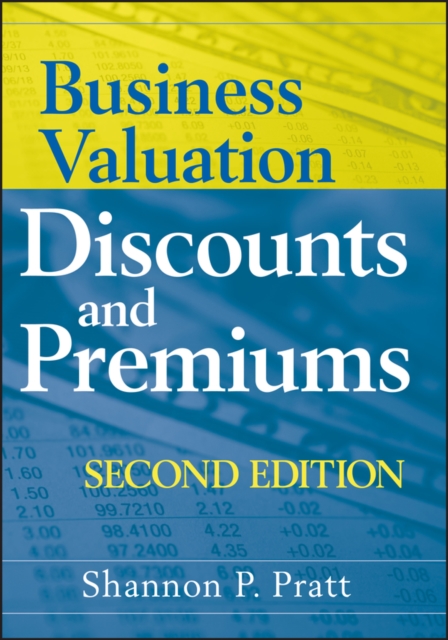
Business Valuation Discounts and Premiums SECOND EDITION Discounts and premiums do not just affect the value of a company; they play a crucial role in influencing a host of other factors and conditions that can make or break a deal.
Business Valuation Discounts and Premiums SECOND EDITION Discounts and premiums do not just affect the value of a company; they play a crucial role in influencing a host of other factors and conditions that can make or break a deal.
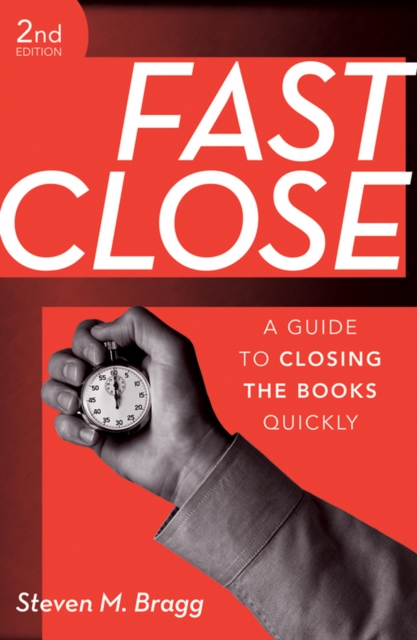
Praise for Fast Close: A Guide to Closing the Books Quickly "e;Steve captures the essence of the problems affecting the financial close process within corporations of all sizes; from the period close of subledgers and general ledger through financial reporting, and the relationship and interdependencies of governance, people and technology.
Learn how to power up your fundraising-from Reynold Levy, the master of fundraising Drawing on his experience in raising over one billion dollars in six years as President of Lincoln Center, Reynold Levy has written the ultimate insider's guide to asking for and receiving funds.
Praise for Internal Control Strategies A Mid to Small Business Guide "e;Internal Control Strategies is an excellent field guide for the implementation and maintenance of efficient and effective internal control systems.
Learn how to power up your fundraising-from Reynold Levy, the master of fundraising Drawing on his experience in raising over one billion dollars in six years as President of Lincoln Center, Reynold Levy has written the ultimate insider's guide to asking for and receiving funds.
If you ve wondered about how America can break links between oil consumption, terrorism, and the war in Iraq, A Declaration of Energy Independence: How Freedom from Foreign Oil Can Improve National Security, Our Economy, and the Environment will show you how our country can gain energy independence and solve its energy crisis.