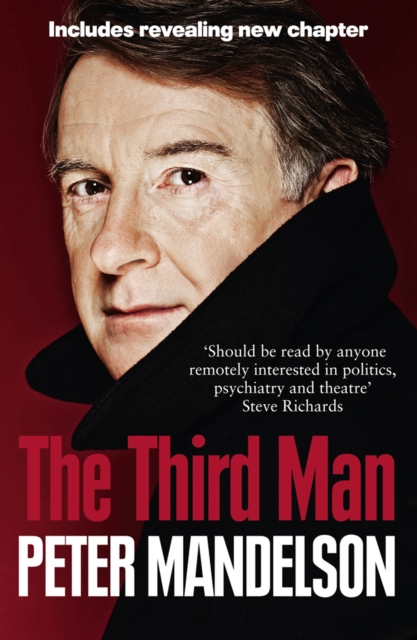
The enhanced edition of the fully updated, number-one bestselling memoir of one of New Labour's three founding architects allows unprecedented access to video footage, audio commentary and primary source materials, from Mandelson's own diary entries to spirited exchanges between Labour's most powerful figures.
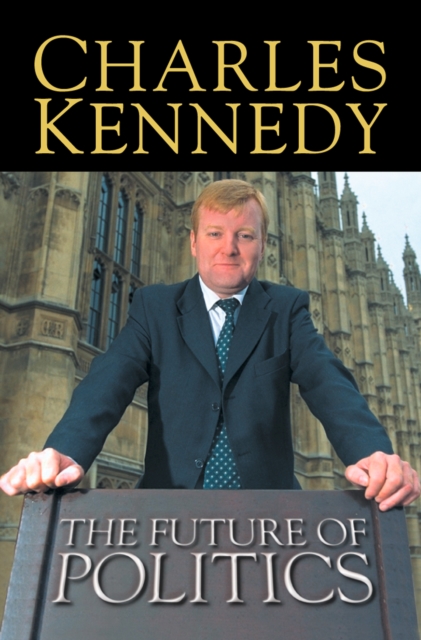
The former leader of the Liberal Democrats sets out his personal beliefs and political vision to create a new political language and a new brand of politics.
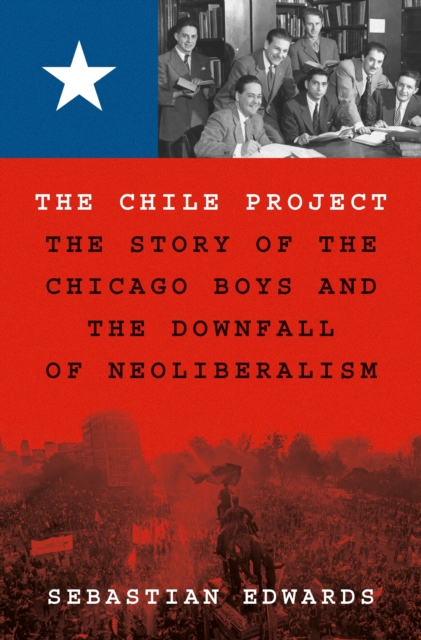
How Chile became home to the world's most radical free-market experiment-and what its downfall suggests about the fate of neoliberalism around the globeIn The Chile Project, Sebastian Edwards tells the remarkable story of how the neoliberal economic model-installed in Chile during the Pinochet dictatorship and deepened during three decades of left-of-center governments-came to an end in 2021, when Gabriel Boric, a young former student activist, was elected president, vowing that "e;If Chile was the cradle of neoliberalism, it will also be its grave.
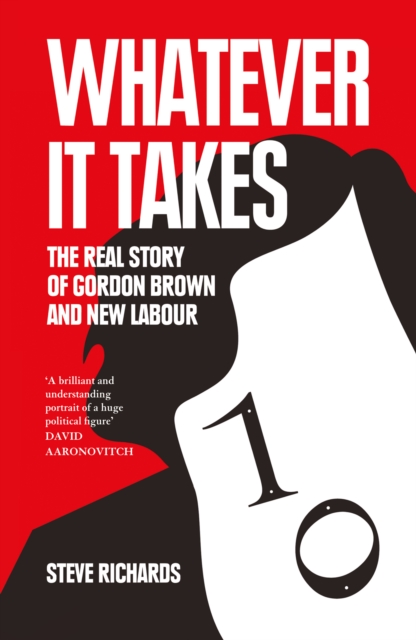
At the beginning of the financial crisis, in September 2008, Gordon Brown called an emergency press conference in which he declared, 'we will do whatever it takes to restore stability in the financial markets'.
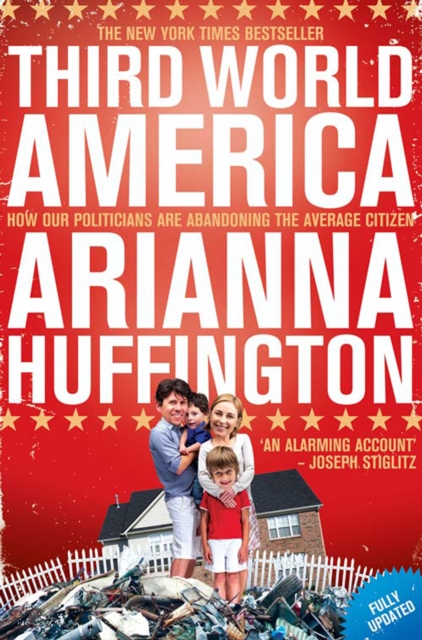
Features updated material and a special foreword from Arianna for the UK audienceIt's not an exaggeration to say that the hard-working, average citizen on an average income is an endangered species and that the American Dream of a secure, comfortable standard of living has become outdated.
In one of the most explosive and hotly debated books of the past year, Sir Peregrine Worsthorne presents a reactionary and playful look at the origins, evolution and demise of the aristocracy and what we can expect to replace them.
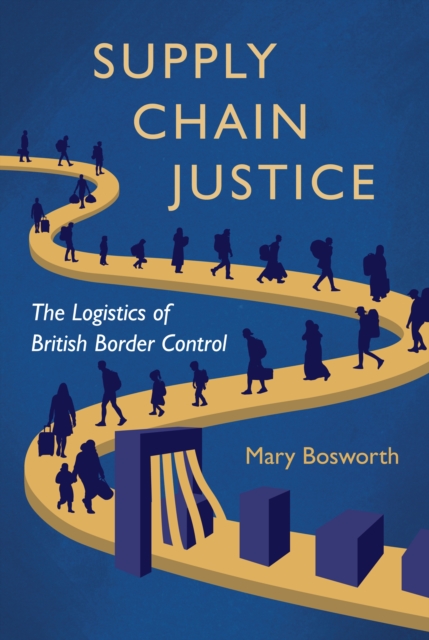
How the UK's immigration detention and deportation system turns people into monetized, measurable units on a supply chain In the UK's fully outsourced ';immigration detainee escorting system,' private sector security employees detain, circulate and deport foreign national citizens.
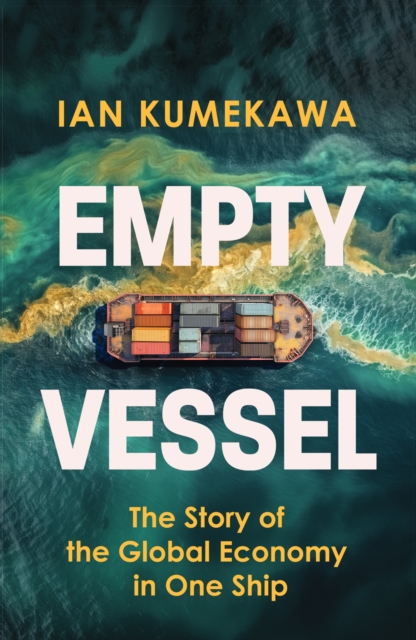
A NEW YORKER BOOK OF THE YEAR'Thrilling, meticulous and wondrously original' PHILIPPE SANDSA jaw-dropping microhistory of the global economy over the last fifty years told through the many lives of a single ship.
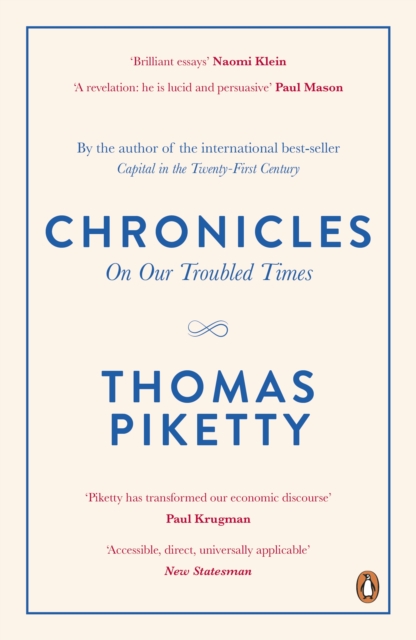
The return of the best-selling, award-winning economist extraordinaireWith the same powerful evidence, and range of reference, as his global bestseller Capital in the Twenty-First Century - and in columns of 700 words, rather than 700 pages - Chronicles sets out Thomas Piketty's analysis of the financial crisis, what has happened since and where we should go from here.
The Penguin Economist Special reports delve into the most pressing economic issues of the day: from national and global economies, to the impact of trade, industry and jobs.
The Penguin Economist Special reports delve into the most pressing economic issues of the day: from national and global economies, to the impact of trade, industry and jobs.
The Shape of the Beast is our world laid bare by a mind that has consistently and unhesitatingly engaged with its changing realities and often anticipated the way things have moved in the last decade.
How can great companies do everything right - identify real customer needs, deliver excellent innovations, beat their competitors to market - and still fail?
From the international bestselling author of The Post-American World 'An intelligent, learned and judicious guide for a world already in the making' The New York TimesSince the end of the Cold War, the world has been shaken to its core three times.
From Nobel Prize-winning economist and bestselling author Joseph Stiglitz, this account of the dangers of free market fundamentalism reveals what has gone so wrong, but also shows us a way out.
*FEATURED IN BILL GATES'S 2019 SUMMER READING RECOMMENDATIONS* From world-renowned economist Paul Collier, a candid diagnosis of the failures of capitalism and a pragmatic and realistic vision for how we can repair itDeep new rifts are tearing apart the fabric of Britain and other Western societies: thriving cities versus the provinces, the highly skilled elite versus the less educated, wealthy versus developing countries.
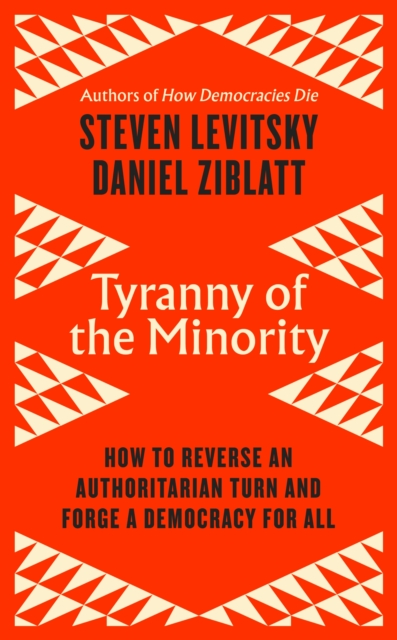
THE MUCH-ANTICIPATED FOLLOW-UP TO INTERNATIONAL BESTSELLER HOW DEMOCRACIES DIE essential reading ahead of the 2024 US election Tyranny of the Minority is an exceptional book, one of the best guides out there to the crisis of American democracy Zack Beauchamp, Vox -------------------------------------How has democracy become so threatened and what can we do to save it?
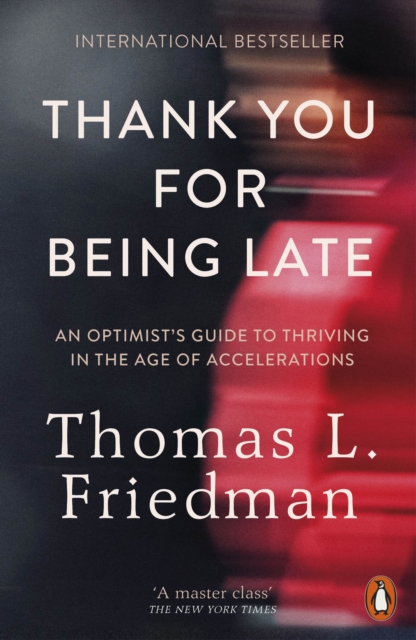
The new international bestseller from the Pulitzer Prize winner and author of The World is Flat - this is an essential and entertaining field guide to thriving in the twenty-first century.
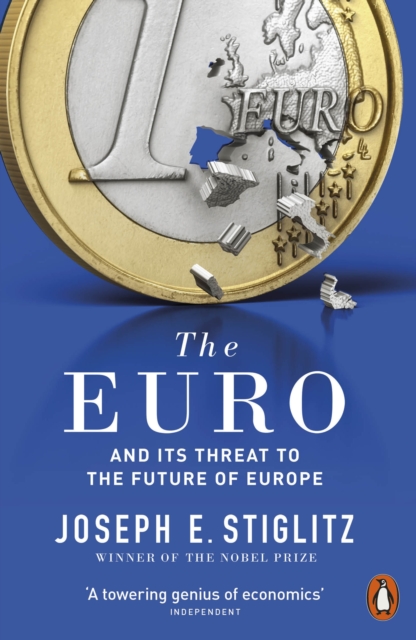
From Nobel Prize-winning economist and best-selling author Joseph Sitglitz, author of Globalization and Its Discontents, this is the essential, must-read guide to the future of Europe.
Like all of us, though few so visibly, Alan Greenspan was forced by the financial crisis of 2008 to question some fundamental assumptions about risk management and economic forecasting.
A definitive reframing of the economic, institutional, and intellectual history of the managerial eraThe twentieth century was the managerial century in the United States.
Why national and international equality matter and what we can do to ensure a fairer worldIn The Globalization of Inequality, distinguished economist and policymaker Francois Bourguignon examines the complex and paradoxical links between a vibrant world economy that has raised the living standard of over half a billion people in emerging nations such as China, India, and Brazil, and the exponentially increasing inequality within countries.
How differences in national financial regulatory systems emerged from divergent beliefs about economic order and prosperityThe global financial crisis of the late 2000s was marked by the failure of regulators to rein in risk-taking by banks.
RADIO 4 BOOK OF THE WEEK Economic thinking - about globalisation, climate change, immigration, austerity, automation and much more - in its most digestible formFor decades, a single free market philosophy has dominated global economics.
Two of the UK's leading economists call for an end to extreme individualism as the engine of prosperity 'provocative but thought-provoking and nuanced' TelegraphThroughout history, successful societies have created institutions which channel both competition and co-operation to achieve complex goals of general benefit.