The US subprime mortgage crisis, by nearly causing the collapse of the global financial system during the 2007-08 financial crisis, clearly revealed that household debt management is critical to the stability of the international economy.
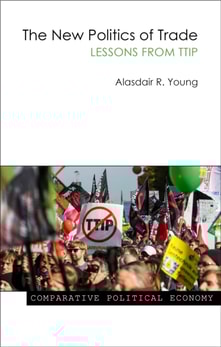
This book addresses two of the most relevant yet understudied questions in field of International Political Economy (IPE): 1) what explains the trade policy preferences of the organizations that represent economic producers in the political sphere?
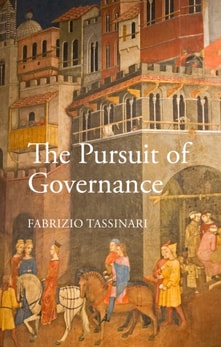
Although there is no overt ideological battle in the twenty-first century, citizens in every latitude register growing dissatisfaction with the results delivered by their governments.
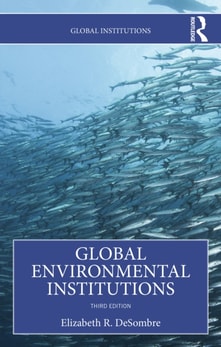
Global Environmental Institutions provides the most accessible and succinct overview of the major global institutions attempting to protect the natural environment, describing their creation and operation, decision-making processes, interactions with other institutions, and impact.
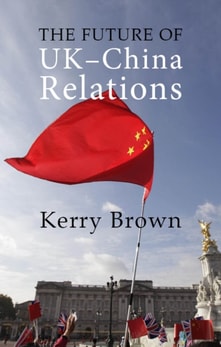
At a time when both China's role in the world is becoming the focus of international business strategy and Brexit is pushing the UK to look to the rest of the world for trade and investment, Kerry Brown assesses the potential for a new "e;golden age"e; of UK-China relations.
The US subprime mortgage crisis, by nearly causing the collapse of the global financial system during the 2007-08 financial crisis, clearly revealed that household debt management is critical to the stability of the international economy.
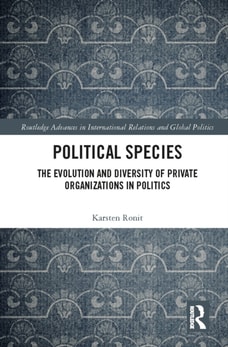
In Political Species, Karsten Ronit expertly argues that evolutionary biology can provide important sources of inspiration for analyzing the proliferation of private actors/organizations in domestic and global politics.
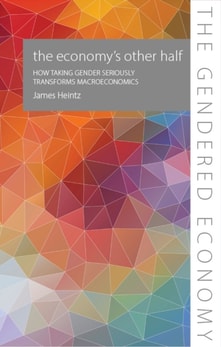
Choices made in macroeconomic policies - such as government spending, taxation, monetary policy and financial regulation - have distinct distributive consequences for women and men.
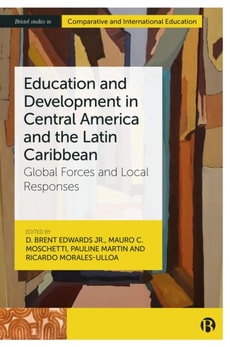
Rooted in an international political economy theoretical framework, this book provides unique insights into the global forces and local responses that are shaping education systems in Central America and the Latin Caribbean (CALC).
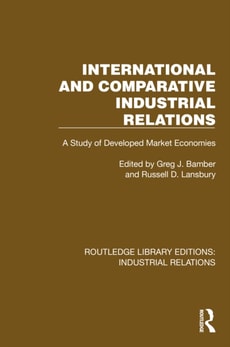
International and Comparative Industrial Relations (1987) analyses the factors which have shaped industrial relations in a range of different countries, including the characteristics of the major groups and parties concerned, and the nature and types of bargaining relationships which have evolved.
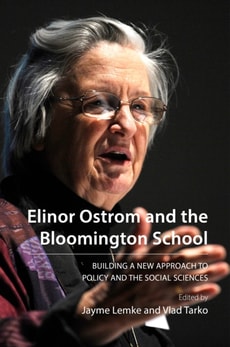
Elinor Ostrom was the first woman to win the Nobel Prize in economics and her achievement has generated renewed interest in the Bloomington School research program in institutional economics and political economy.
Das Integrationsprojekt der Europäischen Union ist über seine wirtschaftlichen Erfolge noch nicht weit hinausgekommen, die ursprüngliche Idee einer politischen Union nach den Krisen des vergangenen Jahrzehnts in weite Ferne gerückt.
Este libro trata sobre el modo en que la pandemia del Covid-19 ha impactado y sigue impactando sobre la política, en particular, sobre la agenda y los procesos políticos en las democracias de América Latina.
Political Economy as Theodicy: Progress, Suffering and Denial proposes that political economics operates within a theological symbolic order that dictates modern sociopolitical and economic life as a whole.
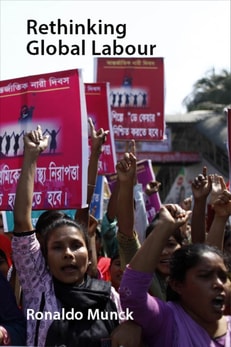
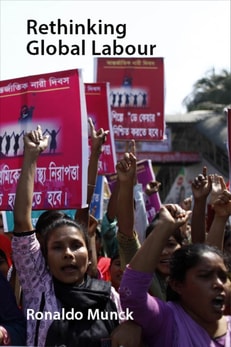
Far from witnessing the beginning of the end of organized labour as a major political force, Rethinking Global Labour argues that, post-financial crisis, we are entering a new era for workers and their organizations in which they will begin to impact decisively on the new global order.
Although there is no overt ideological battle in the twenty-first century, citizens in every latitude register growing dissatisfaction with the results delivered by their governments.
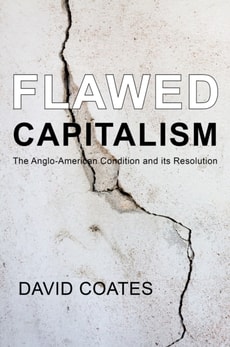
Drawing on over four decades of research and writing on the political economy of the UK and United States, David Coates offers a masterly account of the Anglo-American condition and the social and economic crisis besetting both countries.
In the debates about the UK's future relationship with the European Union, all sorts of possible alternatives have been bandied about, from "e;Singapore on the Thames"e; to "e;Canada Plus"e;, from "e;Switzerland"e; to "e;Ukraine"e;, from "e;Norway"e; to "e;Australia"e;.
Far from witnessing the beginning of the end of organized labour as a major political force, Rethinking Global Labour argues that, post-financial crisis, we are entering a new era for workers and their organizations in which they will begin to impact decisively on the new global order.
Following multiple global crises, there is an urgent need to review our economic and financial paradigms to improve outcomes for the three pillars of sustainable development: economic, social, and environmental.
In Political Species, Karsten Ronit expertly argues that evolutionary biology can provide important sources of inspiration for analyzing the proliferation of private actors/organizations in domestic and global politics.
Choices made in macroeconomic policies - such as government spending, taxation, monetary policy and financial regulation - have distinct distributive consequences for women and men.
Cooperative Enterprises is the first textbook to examine the evolution of the cooperative enterprise model and the contribution that cooperatives can make to the economy and society.