Written by a local health economics expert, each of the eight chapters in this timely handbook and ready reference describes the national healthcare system of a different industrialized country.
Using tricks to handle coupled nonlinear dynamical many-body systems, several advancements have already been made in understanding the behavior of markets/economic/social systems and their dynamics.
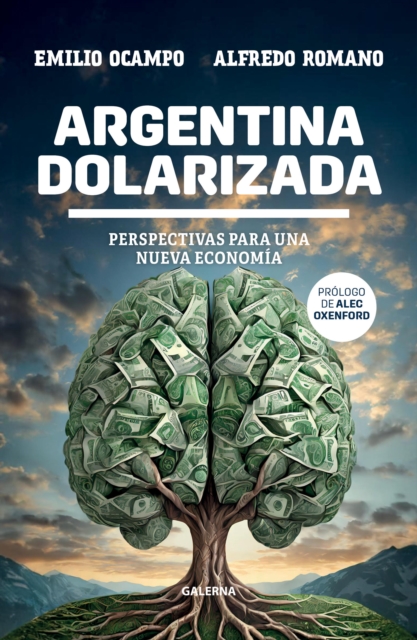
La propia dinámica de la política argentina y la anomia institucional imperante han llevado al país a un punto crítico en el cual el gradualismo no es una opción viable.
Comparado con otros países de nuestro entorno, España presenta importantes problemas económicos y sociales que han estado presentes en las últimas décadas y que derivan en buena medida de una deficiente calidad de gobierno.
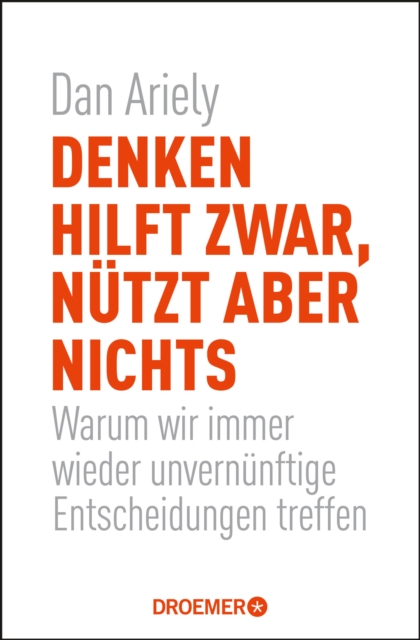
Warum wir ticken, wie wir tickenDer Sachbuch-Bestseller des Verhaltens-Psychologen Dan Ariely erklärt, wie wir Entscheidungen treffen: mit der Logik der UnvernunftKennen Sie das auch?
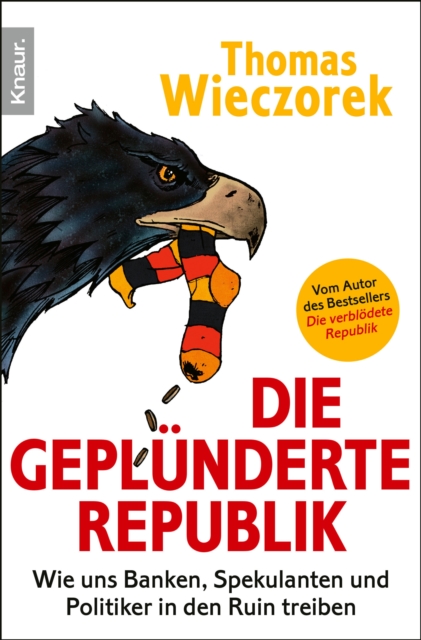
Die geplünderte Republik deckt schonungslos auf, wie skrupellose Banker, gierige Wirtschaftslenker und willfährige Politiker die Bürger für ihre Fehler zahlen lassen.
Ein KlassikerErschienen 1776, also vor rund 240 Jahren, gilt ›Der Wohlstand der Nationen‹ nach wie vor als einer der einflussreichsten Texte der Neuzeit, als Geburtsstunde der Volkswirtschaftslehre.
Eine kurze Geschichte vom Ende der DDRWölfe in OstdeutschlandNach dem Fall der Mauer, der Entindustrialisierung des Ostens und dem nur in Teilen geglückten Neuanfang folgt nun die dritte Phase der deutschen Einigung: die Schadensbegrenzung.
Kommunen im digitalen Wandel: Chancen - Perspektiven - StrategienDas Internet und die Digitalisierung bestimmen immer mehr, wie wir leben, arbeiten, uns bilden, Freizeit gestalten, miteinander kommunizieren, Wissen teilen und helfen.
Als Russland noch Sowjetunion hieß: Egon Krenz über das schwierige Verhältnis zweier StaatenLange bevor Gorbatschow von den Zuspätkommenden sprach, die das Leben strafen würde, zeigten sich Risse zwischen sowjetischer und DDR-Führung.
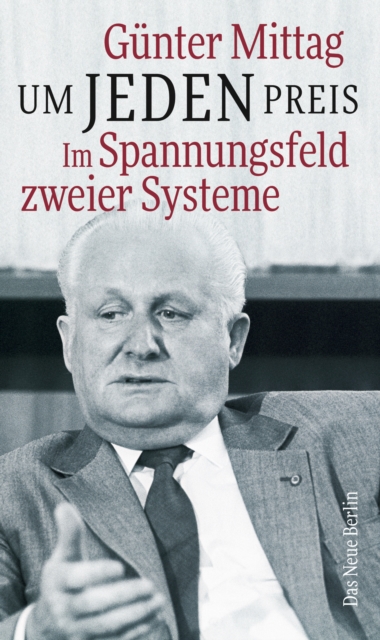
Alle Untersuchungen zur ökonomischen Situation der DDR, ob populär oder akademisch, laufen stets auf die Kernfrage hinaus: War die DDR 1989 wirklich pleite?
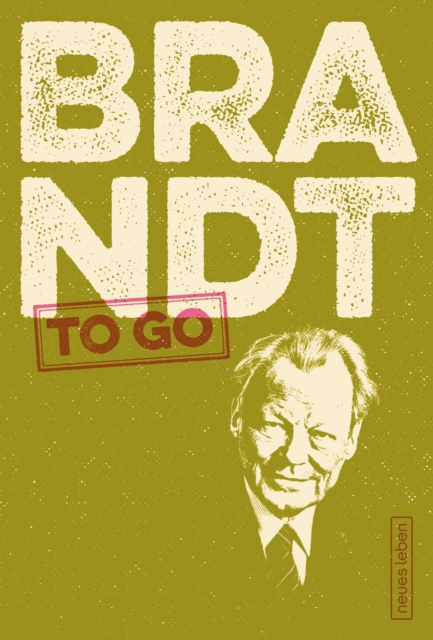
Große und kleine Sprüche des Mannes, der für "mehr Demokratie wagen"plädierte, der mit dem "Wandel durch Annäherung" Bewegung in die Ostpolitik brachte und mit seinem "Jetzt wächst zusammen, was zusammengehört" den meistzitierten Einheitsspruch prägte.
461 konkrete Beispiele und Geschichten aus diversen Branchen zeigen, wie vielfältig und spannend Arbeit ist: Es geht um Leben, positive Entwicklungen, leckeres Essen, Gesundheit, neue Berufsbilder, um menschenfreundlichen Wohlstand, Hochhausbau aus Holz und 3D-Druck aus recycelbaren Materialien, Glück, saubere Umwelt und Menschenrechte, Diversität und Biodiversität, Fachkräftegewinnung und kreativ-umgedrehte Bewerbung.
Dieses Buch wird Ihnen im Rahmen eines Vorbereitungslehrgangs auf die Finanzanlagenfachfrau/-mann IHK-Prüfung ein wichtiger Begleiter sein und gibt Ihnen wichtige Informationen über die Finanzanlagenberatung von Privatkunden an die Hand.