Pierre-Richard Ag nor s pioneering work on Integrated Macroeconomics Models for Poverty Analysis (IMMPA) is cataloged for the first time in this must-read volume.
Assembling contributions from top thinkers in the field, this companion offers a comprehensive and sophisticated exploration of the history of economic thought.
Seeking reason in the impassioned globalization debate, de la Dehesa examines who stands to win and who stands to lose from the process of globalization, in a style accessible to readers unfamiliar with economic theory.
This second volume of the Handbook of International Trade focuses on the economic and legal analysis of international laws and institutions as they impact trade.
This book explores the future of the financial services industry, giving readers an idea of the kinds of institutions and services that will survive in the early twenty-first century.
Allan Schmid's innovative text, Conflict and Cooperation: Institutional and Behavioral Economics, investigates "e;the rules of the game,"e; how institutions--both formal and informal--affect these rules, and how these rules are changed to serve competing interests.
The Economics of the Environment and Natural Resources covers the essential topics students need to understand environmental and resource problems and their possible solutions.
This innovative text grounds the economic analysis of labor markets and employment relationships in a unified theoretical treatment of labor exchange conditions.
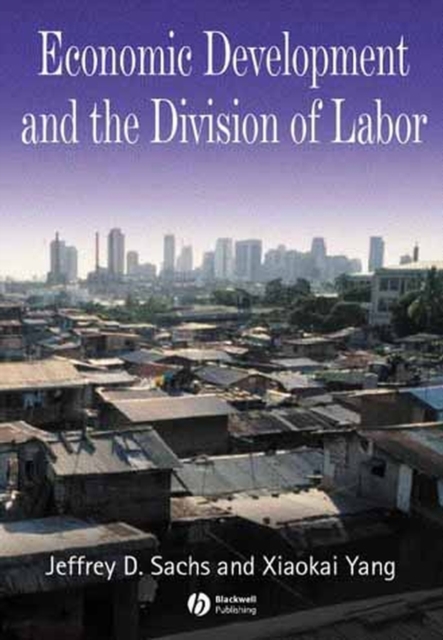
This innovative new text from Jeffrey Sachs and Xiokai Yang introduces students to development economics from the perspectives of inframarginal analysis and marginal analysis.
Competition between companies tends to be beneficial for the general public, but is this also true for competition between States in a world with global financial markets, low transport costs, and increasing migration?
This book addresses the controversial call for international labor standards, seeking to productively further this debate by considering the economic implications and history of these standards.
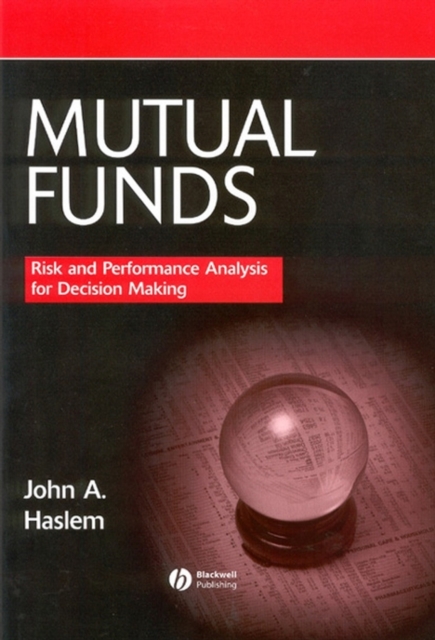
This authoritative book enables readers to evaluate the various performance and risk attributes of mutual funds, while also serving as a comprehensive resource for students, academics, and general investors alike.
This collection of essays draws from over thirty years of work by noted economist Pranab Bardhan to address the inter-related themes of international trade, growth, and rural development.
Providing students with a solid grounding in the economic analysis of the law, this reader brings together edited versions of diverse and challenging journal articles into a unified collection.
Comparative Economic Systems: Culture, Wealth and Power in the 21st Century explains how culture, in various guises, modifies the standard rules of economic engagement, creating systems that differ markedly from those predicted by the theory of general market competition.
Quantitative Methods for Finance and Investments ensures that readers come away from reading it with a reasonable degree of comfort and proficiency in applying elementary mathematics to several types of financial analysis.
Dieses praxisorientierte Handbuch führt systematisch in die Welt des Online Pokers ein und richtet sich sowohl an Einsteiger als auch fortgeschrittene Spieler.
Longlisted for the Financial Times and Schroders Business Book of the Year AwardA novel economic interpretation of how religions have become so powerful in the modern worldReligion in the twenty-first century is alive and well across the world, despite its apparent decline in North America and parts of Europe.
How to sustain an international system of cooperation in the midst of geopolitical struggleCan the international economic and legal system survive today's fractured geopolitics?
A new field of collective intelligence has emerged in the last few years, prompted by a wave of digital technologies that make it possible for organizations and societies to think at large scale.
The Classical Economists Revisited conveys the extent, diversity, and richness of the literature of economics produced in the period extending from David Hume's Essays of 1752 to the final contributions of Fawcett and Cairnes in the 1870s.
In Economics in Perspective, renowned economist John Kenneth Galbraith presents a compelling and accessible history of economic ideas, from Aristotle through the twentieth century.
From Nobel Prize-winning economist Jean Tirole, a bold new agenda for the role of economics in societyWhen Jean Tirole won the 2014 Nobel Prize in Economics, he suddenly found himself being stopped in the street by complete strangers and asked to comment on issues of the day, no matter how distant from his own areas of research.
Ten lessons from history on the dos and don'ts of analyzing political riskOur baffling new multipolar world grows ever more complex, desperately calling for new ways of thinking, particularly when it comes to political risk.
Why society's expectation of economic growth is no longer realisticEconomic growth--and the hope of better things to come-is the religion of the modern world.
How society's undervaluing of life puts all of us at risk-and the groundbreaking economic measure that can fix itLike it or not, sometimes we need to put a monetary value on people's lives.
A political history of environmental policy and regulation in California, from the Gold Rush to the presentOver the course of its 150-year history, California has successfully protected its scenic wilderness areas, restricted coastal oil drilling, regulated automobile emissions, preserved coastal access, improved energy efficiency, and, most recently, addressed global climate change.
The world of money is being transformed as households and organizations face changing economies, and new currencies and payment systems like Bitcoin and Apple Pay gain ground.
The scientific study of complex systems has transformed a wide range of disciplines in recent years, enabling researchers in both the natural and social sciences to model and predict phenomena as diverse as earthquakes, global warming, demographic patterns, financial crises, and the failure of materials.
How poor countries can ignite economic growth without waiting for global action or the creation of ideal local conditionsContrary to conventional wisdom, countries that ignite a process of rapid economic growth almost always do so while lacking what experts say are the essential preconditions for development, such as good infrastructure and institutions.
What the financial diaries of working-class families reveal about economic stresses, why they happen, and what policies might reduce themDeep within the American Dream lies the belief that hard work and steady saving will ensure a comfortable retirement and a better life for one's children.
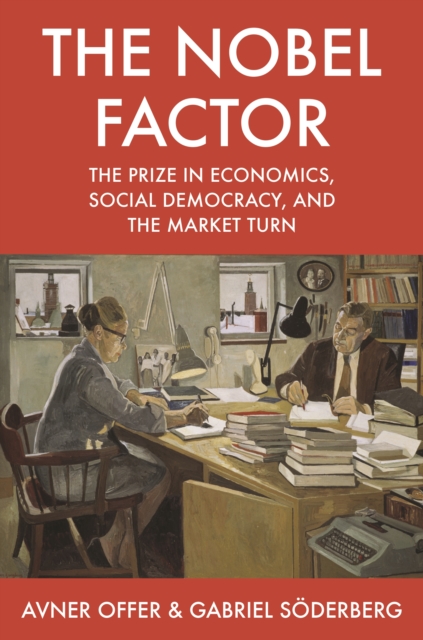
How the creation of the Nobel Prize in Economics changed the economics profession, Sweden, and the worldEconomic theory may be speculative, but its impact is powerful and real.
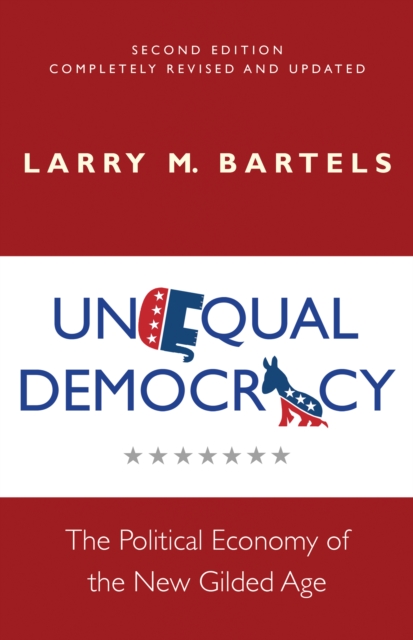
An acclaimed examination of how the American political system favors the wealthy-now fully revised and expandedThe first edition of Unequal Democracy was an instant classic, shattering illusions about American democracy and spurring scholarly and popular interest in the political causes and consequences of escalating economic inequality.
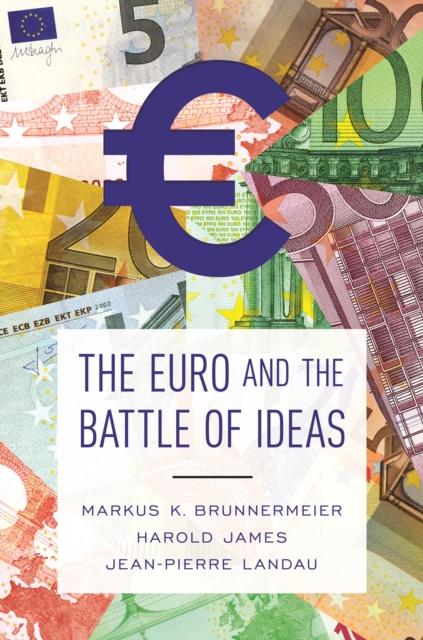
How philosophical differences between Eurozone nations led to the Euro crisis-and where to go from hereWhy is Europe's great monetary endeavor, the Euro, in trouble?
From Nobel Prizewinning economist Joel Mokyr, a revealing look at why Enlightenment culture sparked the Industrial RevolutionDuring the late eighteenth century, innovations in Europe triggered the Industrial Revolution and the sustained economic progress that spread across the globe.
How individuals and the government are changing life in China's polluted citiesOver the past thirty years, even as China's economy has grown by leaps and bounds, the environmental quality of its urban centers has precipitously declined due to heavy industrial output and coal consumption.
After the end of World War II, the United States, by far the dominant economic and military power at that time, joined with the surviving capitalist democracies to create an unprecedented institutional framework.
Technology Differences over Space and Time looks at how countries use their productive resources-such as workers, skills, equipment and structures, and natural resources.
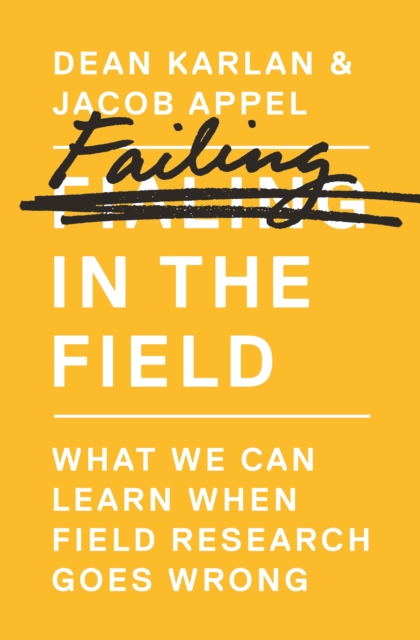
A revealing look at the common causes of failures in randomized control experiments during field reseach-and how to avoid themAll across the social sciences, from development economics to political science departments, researchers are going into the field to collect data and learn about the world.
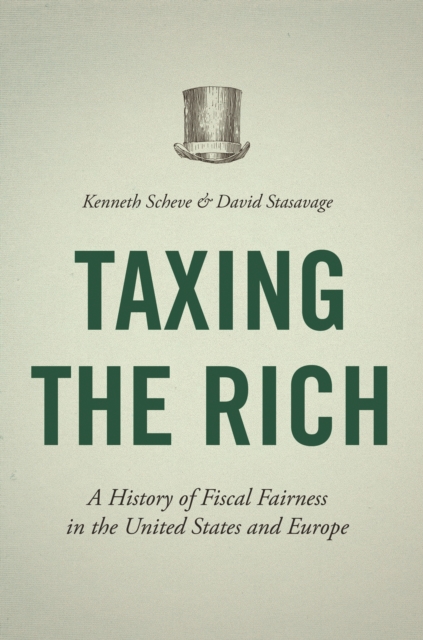
A groundbreaking history of why governments do-and don't-tax the richIn today's social climate of acknowledged and growing inequality, why are there not greater efforts to tax the rich?