Descriptive writing of a high order this is an extremely intelligent book The TimesJoin Douglas Adams, bestselling and beloved author of The Hitchhiker s Guide to the Galaxy, and zoologist Mark Carwardine on an adventure in search of the world s most endangered and exotic creatures.
Sally Denton and Roger Morris make clear how and why Las Vegas became the greatest 'business success story' of the twentieth century, and how the rest of America ensured this success by contributing capital as well as customers.
'Here's the history that really matters' FINANCIAL TIMES'Pitch perfect, fast-moving, brilliantly well-judged' ADAM TOOZE'A terrific achievement, covering clearly but with subtlety everything from the spinning jenny to Covid-19'ADITYA CHAKRABORTTY, GUARDIAN'Outstanding!
From Ben Mezrich, the New York Times bestselling author of The Accidental Billionaires and Bringing Down the House, comes Bitcoin Billionaires - the fascinating story of brothers Tyler and Cameron Winklevoss's big bet on crypto-currency and its dazzling pay-off.
In Women Want More, Michael Silverstein and Kate Sayre, two of the worlds leading authorities on the retail business, argue that women are the key to fixing the economy.
The Capitalists Bible,edited by Gretchen Morgenson, an award-winning journalist with the New York Times, is the essential guide to capitalism and its many languages, customs, and practices.
It's rare that a book appears with a fresh perspective on world affairs, but renowned economist Ha-Joon Chang has some startlingly original things to say about the future of globalization.
Learn how to eat better and spend less with deliciously easy recipes 'Delicious, thrifty, inspiring' GUARDIAN Featuring over 100 mouth-watering recipes and practical tips, Economy Gastronomy will help you to cook simple, better food, and along the way save you a lot of money_______With this essential cookery companion, you will learn how to .
The untold story of how FDR did the unthinkable to save the American economyThe American economy is strong in large part because nobody believes that America would ever default on its debt.
A groundbreaking study that shows how countries can create innovative, production-based economies for the twenty-first centuryAchieving economic growth is one of today's key challenges.
A major new history of capitalism from the perspective of the indigenous peoples of Mexico, who sustained and resisted it for centuriesThe Mexican Heartland provides a new history of capitalism from the perspective of the landed communities surrounding Mexico City.
"e;A brilliant and lucid new book"e; (John Lanchester, New York Times Magazine) about why paper money and digital currencies lie at the heart of many of the world's most difficult problems-and their solutionsIn The Curse of Cash, acclaimed economist and bestselling author Kenneth Rogoff explores the past, present, and future of currency, showing why, contrary to conventional economic wisdom, the regulation of paper bills-and now digital currencies-lies at the heart some of the world's most difficult problems, but also their potential solutions.
How moving beyond GDP will improve well-being and sustainabilityNever before in human history have we produced so much data, and this empirical revolution has shaped economic research and policy profoundly.
A compelling exploration of how reputation affects every aspect of contemporary lifeReputation touches almost everything, guiding our behavior and choices in countless ways.
A powerful new understanding of global currency trends, including the rise of the Chinese yuanAt first glance, the modern history of the global economic system seems to support the long-held view that the leading world power's currency-the British pound, the U.
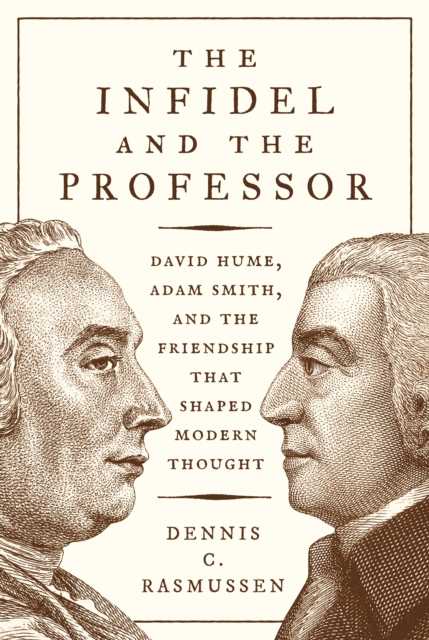
The story of the greatest of all philosophical friendships-and how it influenced modern thoughtDavid Hume is widely regarded as the most important philosopher ever to write in English, but during his lifetime he was attacked as "e;the Great Infidel"e; for his skeptical religious views and deemed unfit to teach the young.
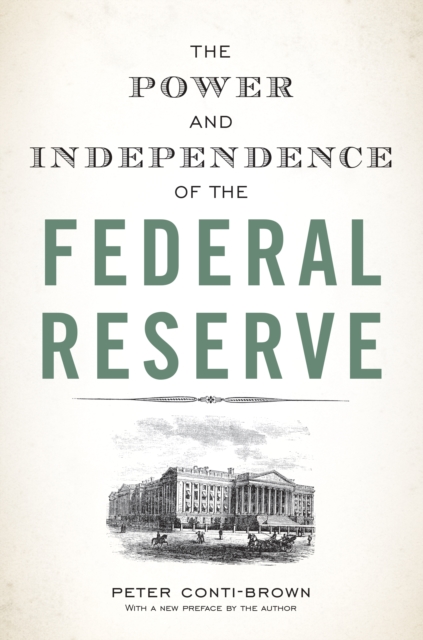
An in-depth look at the history, leadership, and structure of the Federal Reserve BankThe independence of the Federal Reserve is considered a cornerstone of its identity, crucial for keeping monetary policy decisions free of electoral politics.
How the kibbutz movement thrived despite its inherent economic contradictions and why it eventually declinedThe kibbutz is a social experiment in collective living that challenges traditional economic theory.
A fresh look at how three important twentieth-century British thinkers viewed capitalism through a moral rather than material lensWhat's wrong with capitalism?
An honest discussion of free trade and how nations can sensibly chart a path forward in today's global economyNot so long ago the nation-state seemed to be on its deathbed, condemned to irrelevance by the forces of globalization and technology.
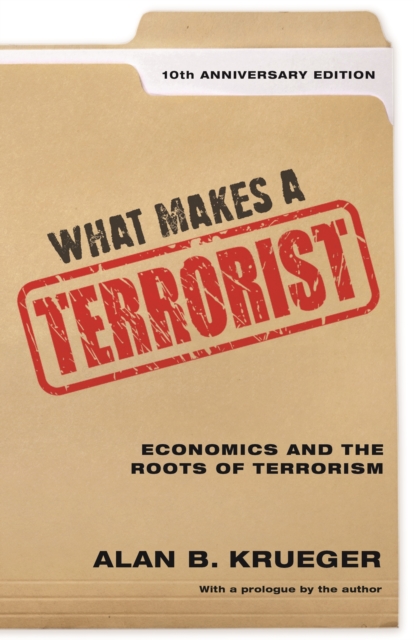
Why we need to think more like economists to successfully combat terrorismIf we are to correctly assess the root causes of terrorism and successfully address the threat, we must think more like economists do.
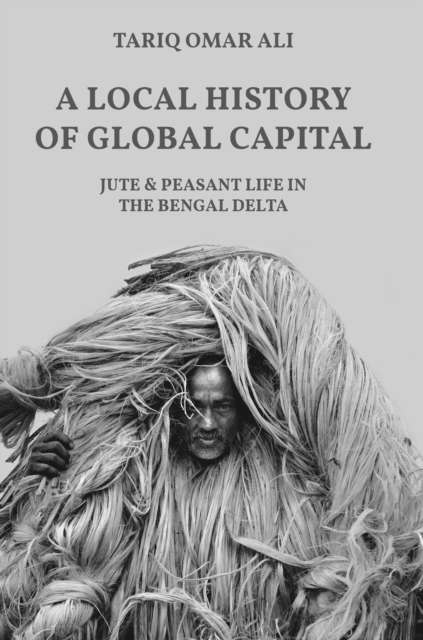
Before the advent of synthetic fibers and cargo containers, jute sacks were the preferred packaging material of global trade, transporting the world's grain, cotton, sugar, tobacco, coffee, wool, guano, and bacon.
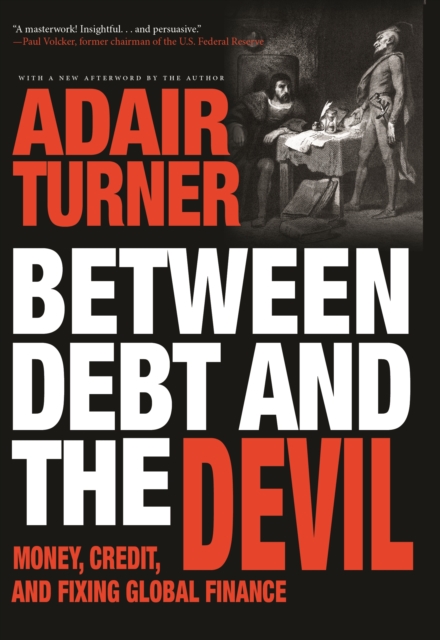
Why our addiction to debt caused the global financial crisis and is the root of our financial woesAdair Turner became chairman of Britain's Financial Services Authority just as the global financial crisis struck in 2008, and he played a leading role in redesigning global financial regulation.
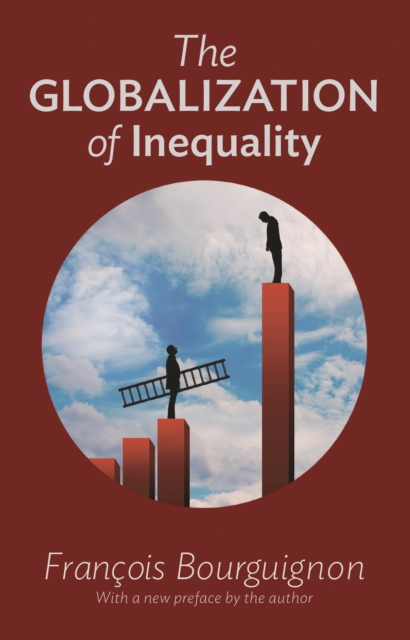
Why national and international equality matter and what we can do to ensure a fairer worldIn The Globalization of Inequality, distinguished economist and policymaker Francois Bourguignon examines the complex and paradoxical links between a vibrant world economy that has raised the living standard of over half a billion people in emerging nations such as China, India, and Brazil, and the exponentially increasing inequality within countries.
A timely account of the Euro crisis that challenges our assumptions about debt and economic recoveryOriginally conceived as part of a unifying vision for Europe, the euro is now viewed as a millstone around the neck of a continent crippled by vast debts, sluggish economies, and growing populist dissent.
Why have countries increasingly restricted immigration even when they have opened their markets to foreign competition through trade or allowed their firms to move jobs overseas?
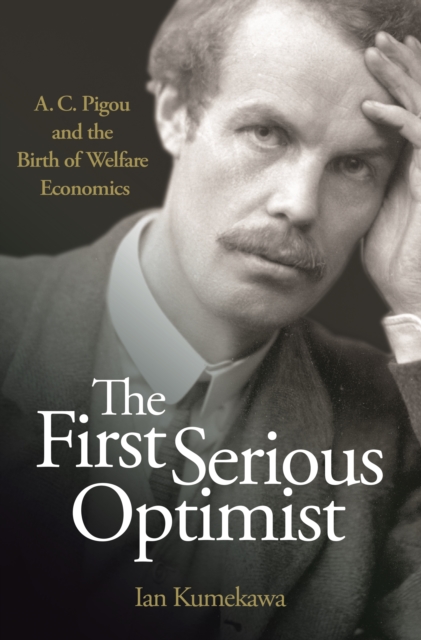
A groundbreaking intellectual biography of one of the twentieth century's most influential economistsThe First Serious Optimist is an intellectual biography of the British economist A.
Why leadership is key to ending political and corporate corruption globallyCorruption corrodes all facets of the world's political and corporate life, yet until now there was no one book that explained how best to battle it.
The complex relationships between altruists, beneficiaries, and brokers in the global effort to fight AIDS in AfricaIn the wake of the AIDS pandemic, legions of organizations and compassionate individuals descended on Africa from faraway places to offer their help and save lives.
How the optimism gap between rich and poor is creating an increasingly divided societyThe Declaration of Independence states that all people are endowed with certain unalienable rights, and that among these is the pursuit of happiness.
An in-depth look at how to account for the human complexities at the heart of today's financial systemOur economy may have recovered from the Great Recession-but not our economics.
A groundbreaking new synthesis and theory of social institutionsUnderstanding Institutions proposes a new unified theory of social institutions that combines the best insights of philosophers and social scientists who have written on this topic.
From David Card, winner of the Nobel Prize in Economics, and Alan Krueger, a provocative challenge to conventional wisdom about the minimum wageDavid Card and Alan B.
A reevaluation of what money is-and what it might beQuestions about the nature of money have gained a new urgency in the aftermath of the global financial crisis.
How knowing the extreme risks of climate change can help us prepare for an uncertain futureIf you had a 10 percent chance of having a fatal car accident, you'd take necessary precautions.