Going beyond the bestsellers Predictably Irrational and Thinking, Fast and Slow, the first how to guide that shows you how to help customers, employees, coworkers, and clients make better choices to get what they truly want.
In this bold history and manifesto, a former White House director of economic policy exposes the economic, political, and cultural cracks that wealthy nations face and makes the case for transforming those same vulnerabilities into sources of strength-and the foundation of a national renewal.
A major new exploration of the economics of animal exploitation and a practical roadmap for how we can use the marketplace to promote the welfare of all living creatures, from the renowned animal-rights advocate Wayne Pacelle, President/CEO of the Humane Society of the United States and New York Times bestselling author of The Bond.
A year-long leadership development course, divided into short, weekly lessons, based on Peter Druckers personal coaching program, previously unpublished material, and selected readings from the management gurus classic works, compiled by his longtime collaborator Joseph A.
In 2004, Carl Schramm, president of the Kauffman Foundation, the worlds leading foundation for entrepreneurship, published a groundbreaking essay with a radical premise: that Americans literally have no conception of the secret that truly underlies our economic success, and that for the United States to survive and continue to lead the worlds economy, it is imperative we learn to understand and employ that secret.
This groundbreaking account of the development of American business from the colonial period to the present explains that the history of the United States can best be understood not as a search for freedombut as a search for wealth and prosperity.
A shocking expos from the most powerful insider in nuclear regulation about how the nuclear energy industry endangers our livesand why Congress does nothing to stop it.
The Greatest Business Book of All Time (Bloomsbury UK), In Search of Excellence has long been a must-have for the boardroom, business school, and bedside table.
**A TIMES AND NEW YORK TIMES BOOK OF THE YEAR 2022**An explosive expos of a firm whose work has made your world more unequal, more corrupt and more dangerous.
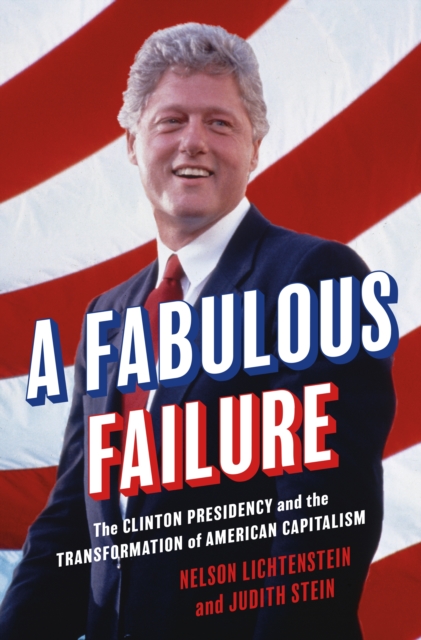
How the Clinton administration betrayed its progressive principles and capitulated to the rightWhen Bill Clinton was elected president in 1992, he ended twelve years of Republican rule and seemed poised to enact a progressive transformation of the US economy, touching everything from health care to trade to labor relations.
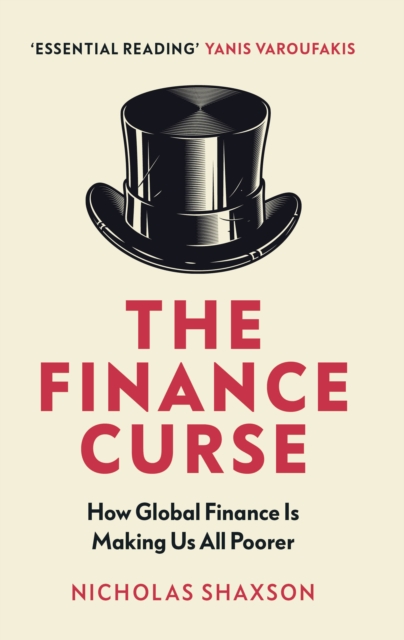
This is a book that none of us can afford to ignore an agenda-setting, campaigning investigation that shows how global finance works for the few and not the many.
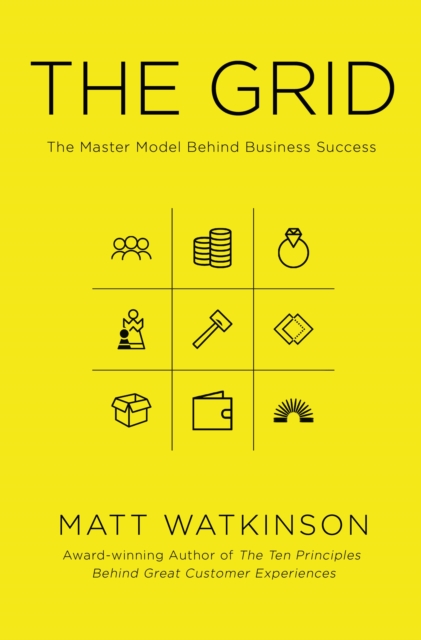
____________________This ground-breaking book from award-winning author MATT WATKINSON reveals the fundamental, inseparable elements behind the success of every business.
Very Recent History by Choire Sicha is an idiosyncratic and elegant narrative that follows a handful of young men in New York City as they navigate the ruins of money and powerin search of love and connection.
Each book is summarised to convey a brief idea of what each one has to offer the interested reader, while a 'Speed Read' for each book delivers a quick sense of what each book is like to read and a highly compressed summary of the main points of the book in question.
The bestselling author of The Sellout tells the explosive story of the government's crackdown on insider-trading networks-an investigation that has already racked up more than 60 convictions.
**Winner of the Financial Times and Goldman Sachs Business Book of the Year Award** 'Brad Stone's definitive book on Amazon and Bezos' The Guardian'A masterclass in deeply researched investigative financial journalism .
In Working Together, a fascinating and invaluable look at why great partnerships succeed, former Disney CEO Michael Eisner discusses how professional partnerships have contributed to his success.
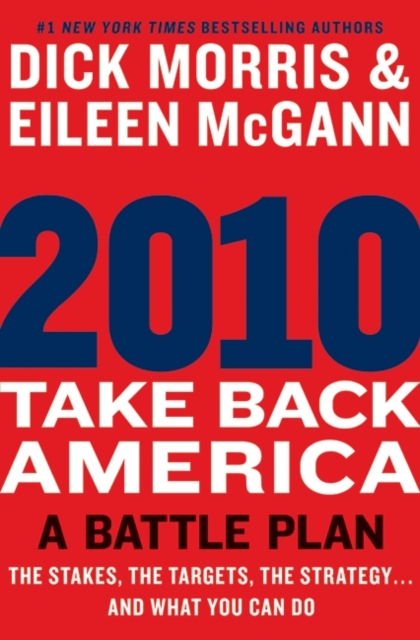
As battle lines are drawn for the next midterm elections, Dick Morris and Eileen McGannauthors of the smash #1 New York Times bestseller Catastrophe, as well as bestsellers Fleeced and Outrageare back with 2010: Take Back America.
Leading pricing expert Rafi Mohammed shows businesses how to reap a financial windfall and foster growth using the underutilized and often overlooked strategy of setting prices.
In The Bush Agenda, Antonia Juhasz exposes a radical corporate globalization agenda that has been refined by leading members and allies of the Bush administration over decades and reached its fullest, most aggressive implementation under George W.
Your one-stop guide to finding a job, navigating the corporate ladder, and leaving when the time is rightDid you know that:60% of hiring managers will offer a higher salary if asked?