A fully expanded edition of the Nobel Prize-winning economist's classic bookThis collection of essays uses the lens of rational expectations theory to examine how governments anticipate and plan for inflation, and provides insight into the pioneering research for which Thomas Sargent was awarded the 2011 Nobel Prize in economics.
A dynamic framework for studying social emergenceThe social sciences have sophisticated models of choice and equilibrium but little understanding of the emergence of novelty.
This book is the first comprehensive account of how Australia attained the world's highest living standards within a few decades of European settlement, and how the nation has sustained an enviable level of income to the present.
What modern economics can tell us about ancient RomeThe quality of life for ordinary Roman citizens at the height of the Roman Empire probably was better than that of any other large group of people living before the Industrial Revolution.
Understanding the dynamic evolution of the yield curve is critical to many financial tasks, including pricing financial assets and their derivatives, managing financial risk, allocating portfolios, structuring fiscal debt, conducting monetary policy, and valuing capital goods.
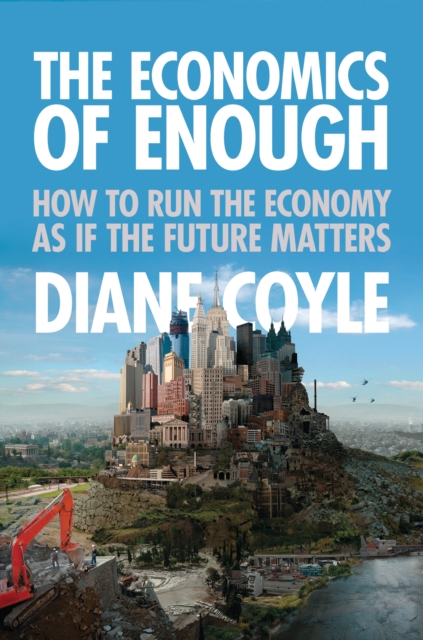
Our path of economic development has generated a growing list of environmental problems including the disposal of nuclear waste, exhaustion of natural resources, loss of biodiversity, climate change, and polluted land, air, and water.
A framework for the analysis of public investment in the developing worldIn the past three decades, developing countries have made significant economic and social progress, from improved infant mortality rates to higher life expectancy.
Just as we learn from, influence, and are influenced by others, our social interactions drive economic growth in cities, regions, and nations--determining where households live, how children learn, and what cities and firms produce.
In mainstream economics, and particularly in New Keynesian macroeconomics, the booms and busts that characterize capitalism arise because of large external shocks.
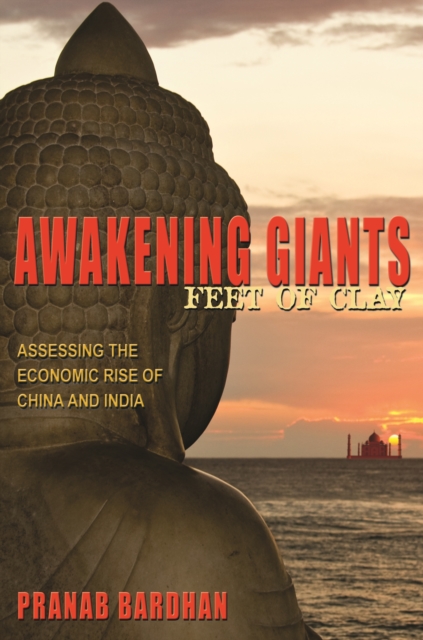
A comparative look at the astonishing economic rise of modern China and IndiaThe recent economic rise of China and India has attracted a great deal of attention-and justifiably so.
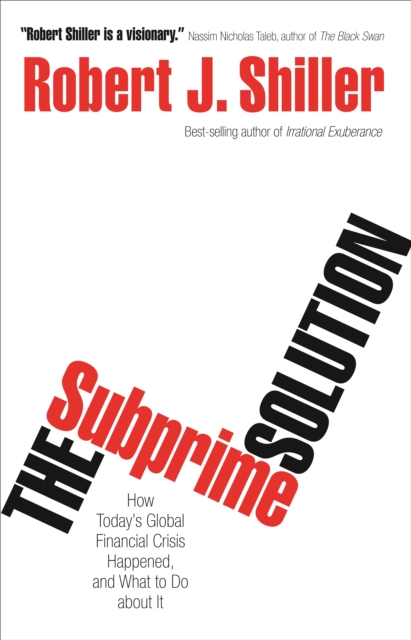
An essential account of the historic subprime mortgage crisis, from the Nobel Prize-winning economist and bestselling author of Irrational ExuberanceThe subprime mortgage crisis has already wreaked havoc on the lives of millions of people and now it threatens to derail the U.
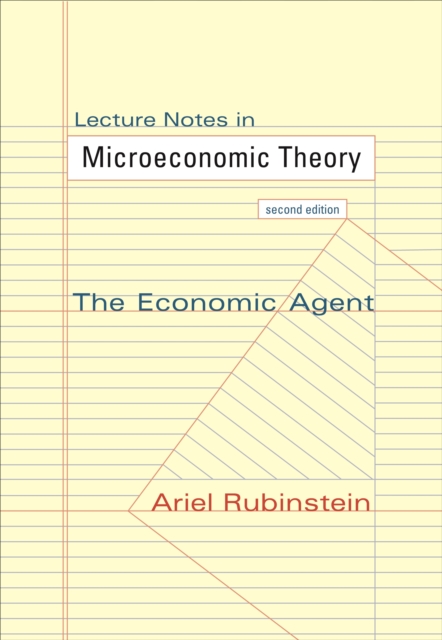
Ariel Rubinstein's well-known lecture notes on microeconomics-now fully revised and expandedThis book presents Ariel Rubinstein's lecture notes for the first part of his well-known graduate course in microeconomics.
Explaining-and solving-the oil curse in the developing worldCountries that are rich in petroleum have less democracy, less economic stability, and more frequent civil wars than countries without oil.
A history of the steel and arms maker that came to symbolize the best and worst of modern German historyThe history of Krupp is the history of modern Germany.
This detailed account of the politics of opening agricultural markets explains how the institutional context of international negotiations alters the balance of interests at the domestic level to favor trade liberalization despite opposition from powerful farm groups.
Over the last several decades, employers have increasingly replaced permanent employees with temporary workers and independent contractors to cut labor costs and enhance flexibility.
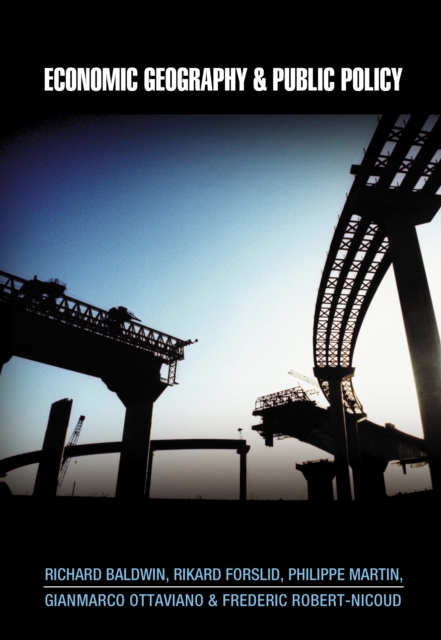
Research on the spatial aspects of economic activity has flourished over the past decade due to the emergence of new theory, new data, and an intense interest on the part of policymakers, especially in Europe but increasingly in North America and elsewhere as well.
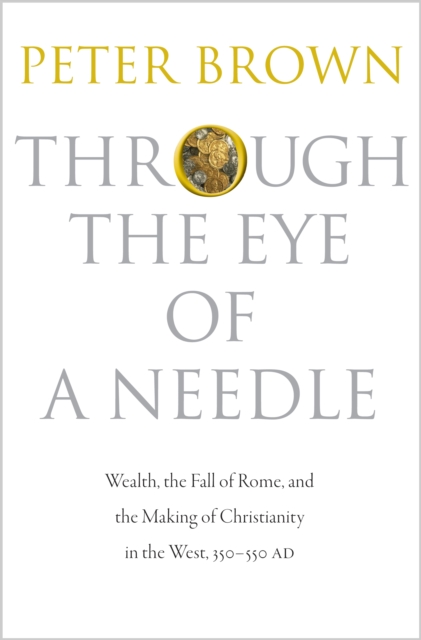
A sweeping intellectual history of the role of wealth in the church in the last days of the Roman EmpireJesus taught his followers that it is easier for a camel to go through the eye of a needle than for a rich man to enter heaven.
How did the industrialized nations of North America and Europe come to be seen as the appropriate models for post-World War II societies in Asia, Africa, and Latin America?
Optimal tax design attempts to resolve a well-known trade-off: namely, that high taxes are bad insofar as they discourage people from working, but good to the degree that, by redistributing wealth, they help insure people against productivity shocks.
A sweeping look at the evolution of commercial banks over the past two centuriesCommercial banks are among the oldest and most familiar financial institutions.
An authoritative look at the microeconomics of entrepreneurshipEntrepreneurs are widely recognized for the vital contributions they make to economic growth and general welfare, yet until fairly recently entrepreneurship was not considered worthy of serious economic study.
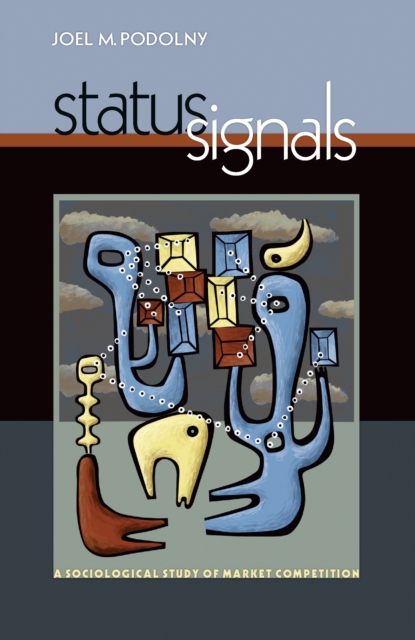
For any market to work properly, certain key elements are necessary: competition, pricing, rules, clearly defined offers, and easy access to information.
With little domestic fanfare and even less attention internationally, Japan has been reinventing itself since the 1990s, dramatically changing its political economy, from one managed by regulations to one with a neoliberal orientation.
From acclaimed economists George Akerlof and Robert Shiller, the case for why government is needed to restore confidence in the economyThe global financial crisis has made it painfully clear that powerful psychological forces are imperiling the wealth of nations today.
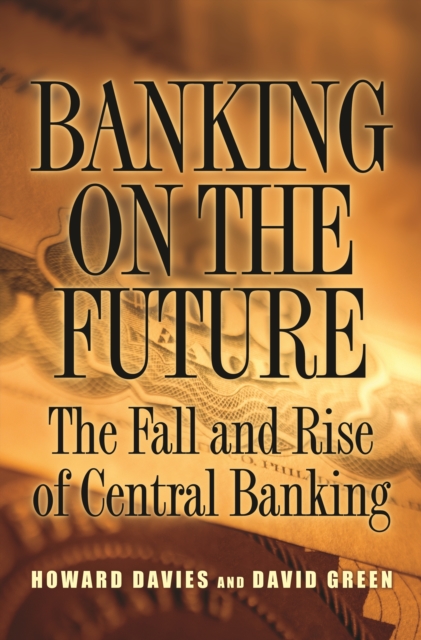
An inside look at the role and future of central banking in the global economyThe crash of 2008 revealed that the world's central banks had failed to offset the financial imbalances that led to the crisis, and lacked the tools to respond effectively.
One of the core assumptions of recent American foreign policy is that China's post-1978 policy of "e;reform and openness"e; will lead to political liberalization.
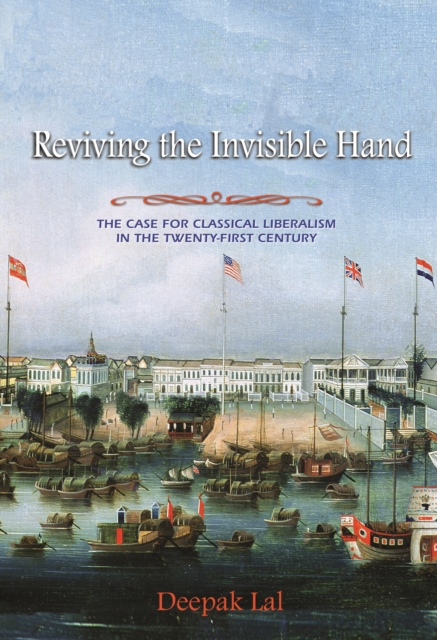
Reviving the Invisible Hand is an uncompromising call for a global return to a classical liberal economic order, free of interference from governments and international organizations.
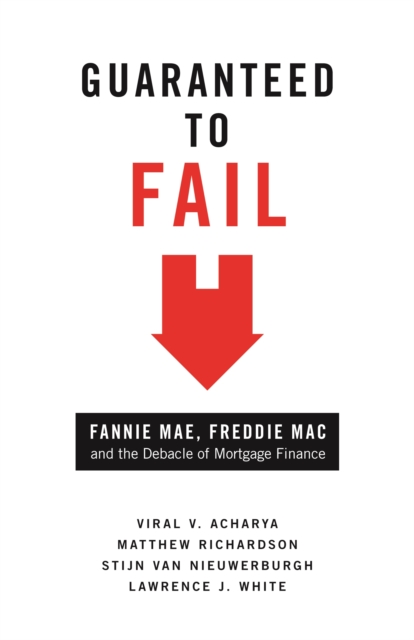
Why America's public-private mortgage giants threaten the world economy-and what to do about itThe financial collapse of Fannie Mae and Freddie Mac in 2008 led to one of the most sweeping government interventions in private financial markets in history.
How the fate of the Jews has been shaped by the development of capitalismThe unique historical relationship between capitalism and the Jews is crucial to understanding modern European and Jewish history.
A sweeping global history of entrepreneurial innovationWhether hailed as heroes or cast as threats to social order, entrepreneursand their innovationshave had an enormous influence on the growth and prosperity of nations.