Stephen Krasner's assumption of a distinction between state and society is the root of his argument for the superiority of a statist interpretation of American foreign policy.
A remarkable look at how the growth, technology, and politics of high-frequency trading have altered global financial marketsIn today's financial markets, trading floors on which brokers buy and sell shares face-to-face have increasingly been replaced by lightning-fast electronic systems that use algorithms to execute astounding volumes of transactions.
A New York Times BestsellerA Wall Street Journal BestsellerA New York Times Notable Book of 2020A New York Times Book Review Editors' ChoiceShortlisted for the Financial Times and McKinsey Business Book of the YearA New Statesman Book to ReadFrom economist Anne Case and Nobel Prize winner Angus Deaton, a groundbreaking account of how the flaws in capitalism are fatal for America's working classDeaths of despair from suicide, drug overdose, and alcoholism are rising dramatically in the United States, claiming hundreds of thousands of American lives.
A candid explanation of how the labor market really works and is central to everything-and why it is not as healthy as we thinkRelying on unemployment numbers is a dangerous way to gauge how the labor market is doing.
How the Chinese Communist Party maintains its power by both repressing and responding to its peopleSince 1949, the Chinese Communist Party (CCP) has maintained unrivaled control over the country, persisting even in the face of economic calamity, widespread social upheaval, and violence against its own people.
This is an expanded second edition of Nicholas Mercuro and Steven Medema's influential book Economics and the Law, whose publication in 1998 marked the most comprehensive overview of the various schools of thought in the burgeoning field of Law and Economics.
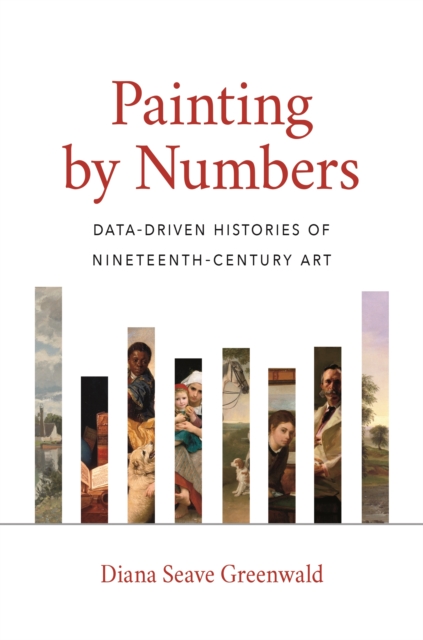
A pathbreaking history of art that uses digital research and economic tools to reveal enduring inequities in the formation of the art historical canonPainting by Numbers presents a groundbreaking blend of art historical and social scientific methods to chart, for the first time, the sheer scale of nineteenth-century artistic production.
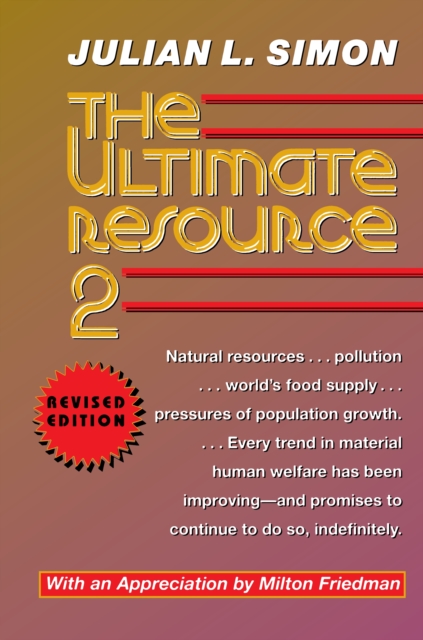
Arguing that the ultimate resource is the human imagination coupled to the human spirit, Julian Simon led a vigorous challenge to conventional beliefs about scarcity of energy and natural resources, pollution of the environment, the effects of immigration, and the "e;perils of overpopulation.
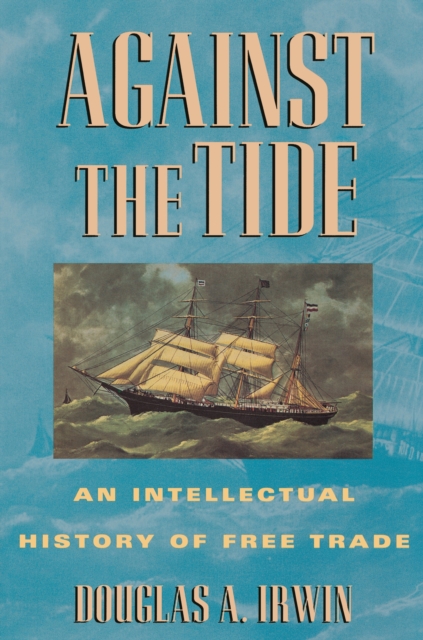
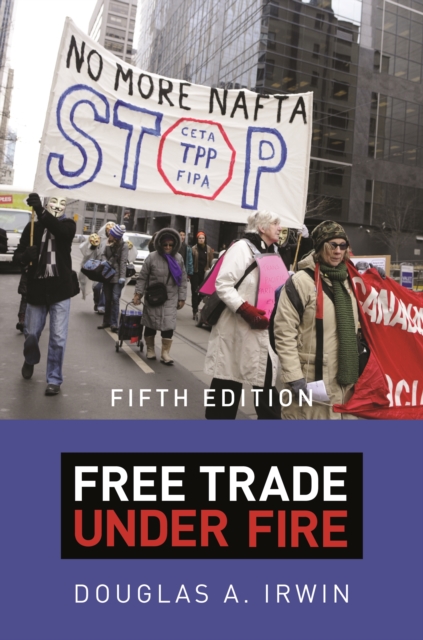
About two hundred years ago, largely as a result of Adam Smith's Wealth of Nations, free trade achieved an intellectual status unrivaled by any other doctrine in the field of economics.
A new edition of the classic work on the economic tools of foreign policyToday's complex and dangerous world demands a complete understanding of all the techniques of statecraft, not just military ones.
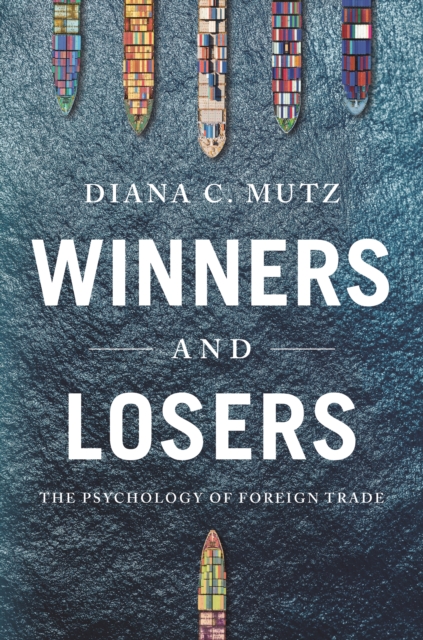
From acclaimed political scientist Diana Mutz, a revealing look at why people's attitudes on trade differ from their own self-interestWinners and Losers challenges conventional wisdom about how American citizens form opinions on international trade.
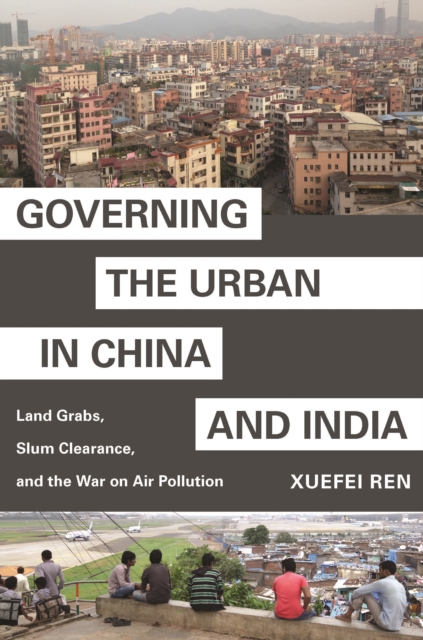
An in-depth look at the distinctly different ways that China and India govern their cities and how this impacts their residentsUrbanization is rapidly overtaking China and India, the two most populous countries in the world.
An in-depth look at how employers today perceive and evaluate job applicants with nonstandard or precarious employment historiesMillions of workers today labor in nontraditional situations involving part-time work, temporary agency employment, and skills underutilization or face the precariousness of long-term unemployment.
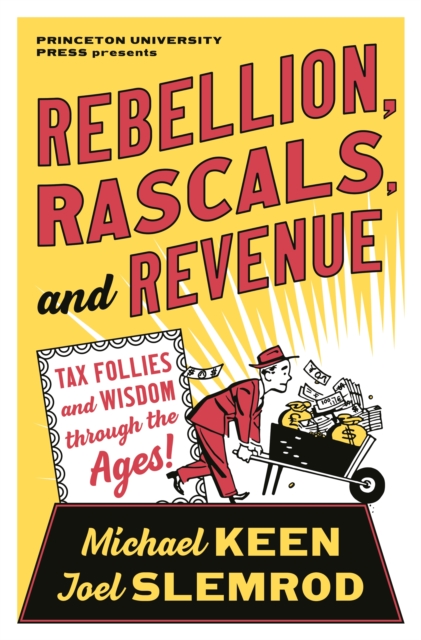
An engaging and enlightening account of taxation told through lively, dramatic, and sometimes ludicrous stories drawn from around the world and across the agesGovernments have always struggled to tax in ways that are effective and tolerably fair.
The definitive reference on the most current economics of development and institutionsThe essential role that institutions play in understanding economic development has long been recognized across the social sciences, including in economics.
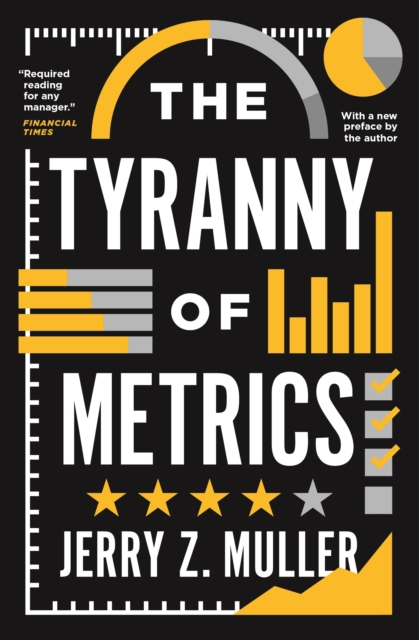
How the obsession with quantifying human performance threatens business, medicine, education, government-and the quality of our livesToday, organizations of all kinds are ruled by the belief that the path to success is quantifying human performance, publicizing the results, and dividing up the rewards based on the numbers.
How ancient Mediterranean trade thrived through state institutionsFrom around 700 BCE until the first centuries CE, the Mediterranean enjoyed steady economic growth through trade, reaching a level not to be regained until the early modern era.
A global history of environmental warfare and the case for why it should be a crimeThe environmental infrastructure that sustains human societies has been a target and instrument of war for centuries, resulting in famine and disease, displaced populations, and the devastation of people's livelihoods and ways of life.
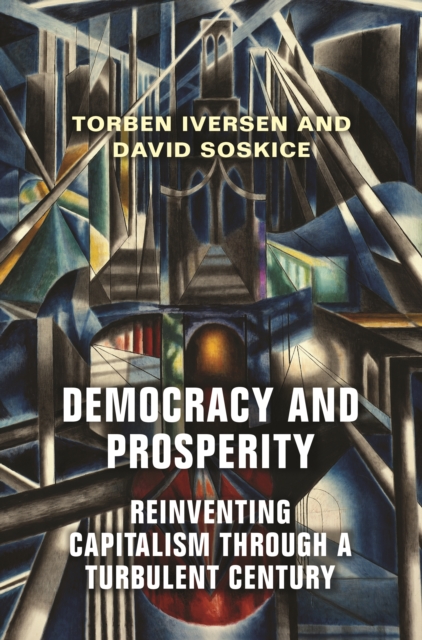
A groundbreaking new historical analysis of how global capitalism and advanced democracies mutually support each otherIt is a widespread view that democracy and the advanced nation-state are in crisis, weakened by globalization and undermined by global capitalism, in turn explaining rising inequality and mounting populism.
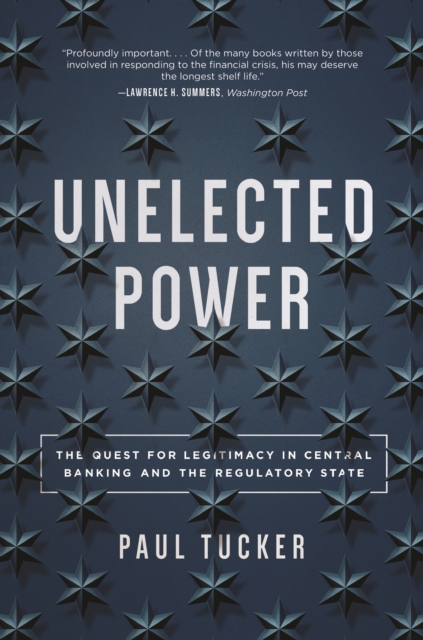
How central banks and independent regulators can support rather than challenge constitutional democracyUnelected Power lays out the principles needed to ensure that central bankers and other independent regulators act as stewards of the common good.
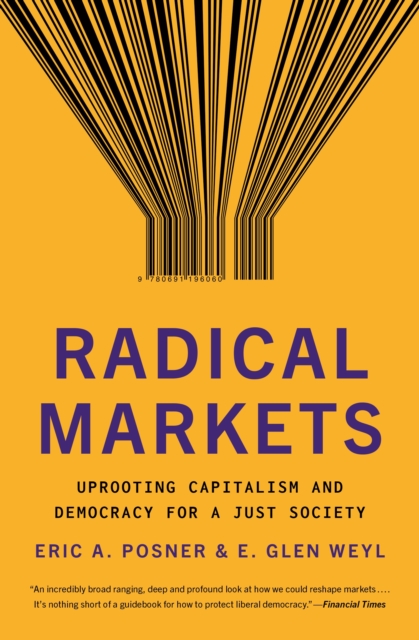
Revolutionary ideas on how to use markets to achieve fairness and prosperity for allMany blame today's economic inequality, stagnation, and political instability on the free market.
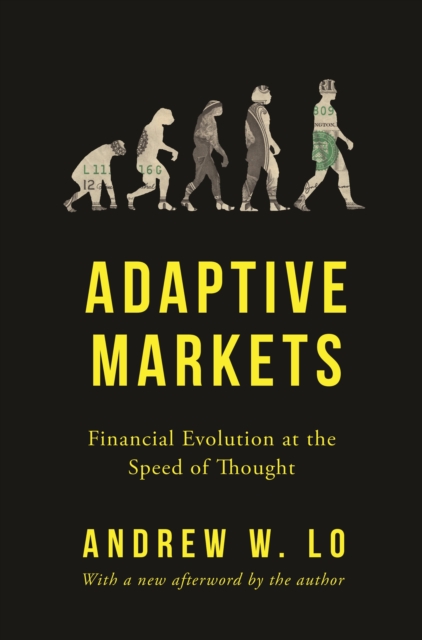
A new, evolutionary explanation of markets and investor behaviorHalf of all Americans have money in the stock market, yet economists can't agree on whether investors and markets are rational and efficient, as modern financial theory assumes, or irrational and inefficient, as behavioral economists believe.
Essential reading for understanding the international economy-now thoroughly updatedLucid, accessible, and provocative, and now thoroughly updated to cover recent events that have shaken the global economy, Globalizing Capital is an indispensable account of the past 150 years of international monetary and financial history-from the classical gold standard to today's post-Bretton Woods "e;nonsystem.
An international and historical look at how parenting choices change in the face of economic inequalityParents everywhere want their children to be happy and do well.
A book that challenges everything you thought you knew about the online economyThe internet was supposed to fragment audiences and make media monopolies impossible.
How modern economics abandoned classical liberalism and lost its wayMilton Friedman once predicted that advances in scientific economics would resolve debates about whether raising the minimum wage is good policy.
A comprehensive analysis of European craft guilds through eight centuries of economic historyGuilds ruled many crafts and trades from the Middle Ages to the Industrial Revolution, and have always attracted debate and controversy.
How digital technology is upending the traditional creative industries-and why that might be a good thingThe digital revolution poses a mortal threat to the major creative industries-music, publishing, television, and the movies.
A groundbreaking new historical analysis of how global capitalism and advanced democracies mutually support each otherIt is a widespread view that democracy and the advanced nation-state are in crisis, weakened by globalization and undermined by global capitalism, in turn explaining rising inequality and mounting populism.
How America's global financial power was created and shaped through its special relationship with BritainThe rise of global finance in the latter half of the twentieth century has long been understood as one chapter in a larger story about the postwar growth of the United States.
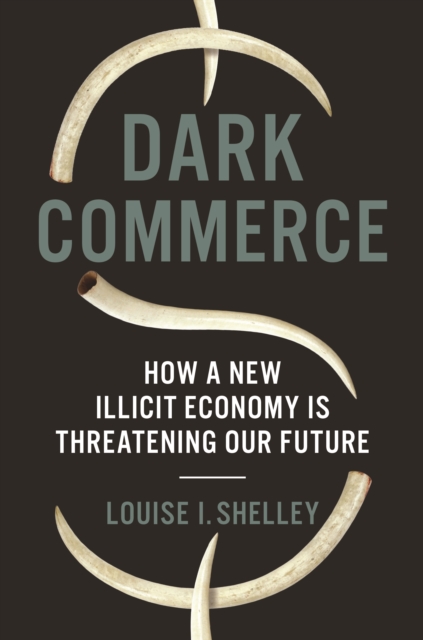
A comprehensive look at the world of illicit trade Though mankind has traded tangible goods for millennia, recent technology has changed the fundamentals of trade, in both legitimate and illegal economies.
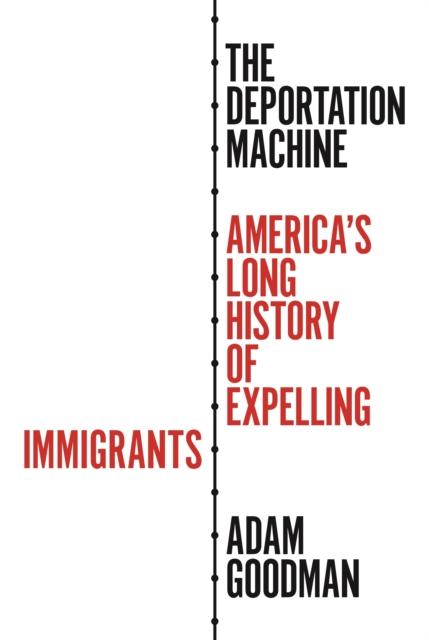
The unknown history of deportation and of the fear that shapes immigrants' livesConstant headlines about deportations, detention camps, and border walls drive urgent debates about immigration and what it means to be an American in the twenty-first century.
In What's Next, Ian Bremmer, author of Every Nation for Itself and The End of the Free Market, and Douglas Rediker provide a guide to the major global issues and policies sure to dominate headlines in the next few years.
Following the acclaim for The End of the Free Market, Ian Bremmer is back with Every Nation for Itself, where he addresses the next big issue for the shifting world economy.
* Accompanies the new 4 part ITV series August 2019 * Sunday Times Bestseller EAT SHOP SAVE is the ITV phenomenon helping families across the UK to get seriously fitter, healthier and richer.
Geschäftserfolg in Bulgarien bietet einen umfassenden Einblick in die dynamischen Geschäftsmöglichkeiten, die Bulgarien ausländischen Investoren und Unternehmern bietet.