Bajo la noción de crítica de la economía política del espacio, y desde diferentes aproximaciones propuestas, el libro ensaya una delimitación de la crítica del capital y la producción del espacio moderno como totalidad social.
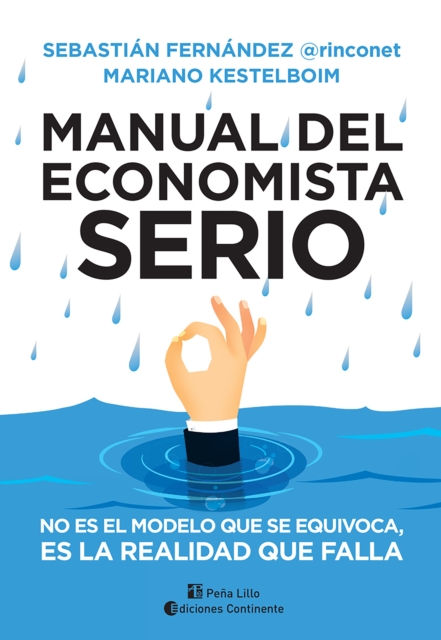
Este manual ofrece al lector un sistema sencillo para detectar en nuestro país al "economista serio" y aprender a conocer tanto sus vicios como sus trucos de mago, útiles para justificar el direccionamiento de políticas económicas que han agravado la dependencia argentina de los centros de poder mundiales.
LA DEUDA EXTERNA, esa "esclavitud del tercer milenio" como la definiera alguien, no solo se ha consolidado como un verdadero sistema cuyos únicos beneficiarios son las grandes instituciones financieras, sino que ha logrado modificar el orden jurídico internacional, al extremo de haber dejado de lado el concepto de soberanía absoluta de los estados, que ahora son considerados como vulgares comerciantes que pueden ser juzgados en cualquier jurisdicción ordinaria.
Este volumen constituye una herramienta indispensable para comprender la relación entre la teoría económica sobre libre competencia y su aplicación en la normativa chilena.
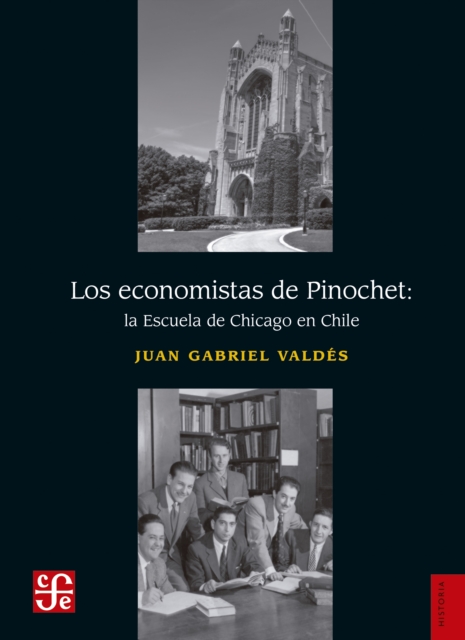
Con un rico y variado trabajo de archivos, donde caben desde libros de teoria y articulos de prensa hasta entrevistas y correspondencia privada, Juan Gabriel Valdes realiza una formidable diseccion del neoliberalismo.
A partir de diversos enfoques de investigacion y de una encuesta realizada a cerca de 700 lideres de la coalicion Chile Vamos, este libro es una formidable exploracion al caracter y comportamiento de los partidos de derecha chilenos: la Union Democrata Independiente, Renovacion Nacional, Evopoli y el Partido Regionalista Independiente.
El propósito de los autores con este libro es brindar un análisis crítico desde criterios que cruzan elementos de historia económica, derecho y de economía política.
Marx for the twenty-first centuryThe first new English translation in fifty yearsand the only one based on the last German edition revised by Marx himselfFeaturing extensive original commentary, including a foreword by acclaimed political theorist Wendy Brown';An astounding achievement.
En #EmprenderConectados se desarrolla la idea de la conexión de temáticas en torno al ecosistema emprendedor, mostrando como se integran los emprendedores, los Observatorios y Laboratorios, los Indicadores –en tanto herramientas–, la Visión de comunidad, las Aplicaciones, las Agencias de desarrollo, los Clubes de emprendedores, las Incubadoras, el Clúster integrador en un mundo de cambios y transformaciones permanentes, y cómo se definen y se ponen en movimiento en este proceso de manera que permitan aprovechar las oportunidades y obtener mejores resultados.
En nuestro país se sabe que Ignacio Bartesaghi Hierro es uno de los expertos de más alto nivel en lo que tiene que ver con integración, comercio exterior y Mercosur.
El proceso de COLAPSO y DERRUMBE de la economia estadounidense tiene que ver mas con la crisis de 2008 que con la pandemia de 2020; tiene que ver mas con los valores disociados de los precios y mas con dolares inflados que con un bicho gordo o flaco.
This comprehensive handbook is a valuable resource for companies of all sizes who are considering (or already developing) enhanced professional learning programs.
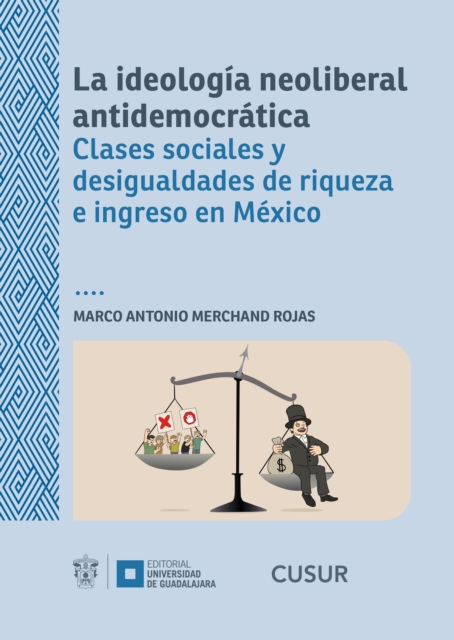
El neoliberalismo es la antítesis de la democracia participativa, pues es una ideología que promueve una regresión hacia la acumulación de privilegios.
Este libro ofrece una visión amplia de una economía humana centrada en las personas y su bienestar, que pretende la construcción de un mundo inclusivo, solidario y justo.
El mundo moderno de producción y consumo necesita herramientas prácticas y científicas para la toma de decisiones, ayudas que proporciona la microeconomía a los productores y los consumidores.
En el mundo de hoy los indicadores macroeconómicos como el Producto Interno Bruto (PIB), la inflación, el desempleo, el tipo de cambio, las ta¬sas de interés, entre otros, se leen y escuchan a diario en la cotidianidad; estos indicadores y su comportamiento tienen incidencias directas e in¬directas que causan gran impacto en las economías de los individuos, las familias, las empresas y el Estado.
La importancia e incidencia cada vez mayor del manejo y efectos de las variables económicas en los mercados mundiales, obliga no solamente a los estudiantes de diversos programas académicos sino al común de la gente a comprender los conceptos básicos de una ciencia social tan relevante como la Economía.
In this book the authors examine the relations between work and time and explore the possibilities of developing new and more flexible working patterns.
With a population of 1 billion people and the world's second largest economy, China is fast becoming one of the most powerful and important countries in the world.
With wit, deep insight, and plenty of humor gained from her observations of male and female purchasing patterns over the years, veteran branding, marketing, and salesperson Elizabeth Pace shows readers how to increase their revenue and sell more effectively.
Is the United States "e;the land of equal opportunity"e; or is the playing field tilted in favor of those whose parents are wealthy, well educated, and white?
A definitive reframing of the economic, institutional, and intellectual history of the managerial eraThe twentieth century was the managerial century in the United States.
Why most Americans' finances improved during the worst economic contraction since the Great Depression-and the policy choices that made this possibleIn March 2020, economic and social life across the United States came to an abrupt halt as the country tried to slow the spread of COVID-19.