'Captivating The stuff of thrillers' - the Financial Times An explosive new vision of geopolitics from two trail-blazing political scientistsDeep beneath our feet, vast and sprawling, lies one of the most sophisticated empires the world has ever known.
Este libro cuenta una pequeña parte de las historias de seis campesinos colombianos que, en su condición de vulnerabilidad o de víctimas de desplazamiento forzado por el conflicto armado, formaron parte de un programa de alivio a la pobreza denominado Produciendo por Mi Futuro.
La construcción de paz y el proceso de sostenibilidad del posconflicto se convierten en uno de los mayores avatares en las políticas públicasde la era moderna de Colombia.
En la última década, la cantidad de hectáreas con cultivos de coca en Colombia se ha triplicado, dejando en suspenso tanto la estrategia antinarcóticos del país como las posibilidades de lograr una paz completa y definitiva.
Die Idee der Freiheit wirkt integral in alle Lebensbereiche, insbesondere in die Ökonomie: Ob als Grundlage moderner Wirtschafts-, Arbeits- und Organisationsformen, ob als Konsumentensouveränität, ob als Gestaltungsproblem bei der (Selbst-)Organisation, der "Traum vom freien Leben" bewegt die Menschen.
Die Idee der Freiheit wirkt integral in alle Lebensbereiche, insbesondere in die Ökonomie: Ob als Grundlage moderner Wirtschafts-, Arbeits- und Organisationsformen, ob als Konsumentensouveränität, ob als Gestaltungsproblem bei der (Selbst-)Organisation, der "Traum vom freien Leben" bewegt die Menschen.
El objetivo central de este libro es el de analizar un tema de crucial importancia para la historia económica de la región pampeana: el proceso de colonización agrícola que tuvo lugar en Santa Fe durante la segunda mitad del siglo XIX.
In this practical and fascinating follow-up to their behind-the-scenes look at America's most powerful and influential class, authors Jim Taylor, Stephen Kraus, and Doug Harrison reveal insights and indispensable techniques to help salespeople and marketers hone in on wealthy customers, pique their interest, and earn their trust--and repeated business.
This invaluable resource is the training manual you need to give your employees the thorough training, review, and--if necessary--overhaul they need in the vitally important area of customer service.
The answer to remaining competitive and keeping steady growth for your business is not ground-breaking, business-altering innovations, but by simply making one tweak at a time.
In light of an increasingly tumultuous political landscape, the success, efficiency, and performance of government employees and departments is more critical than ever before.
This book taps into both success stories and cautionary tales from others to provide you with a smart, calculated approach to knowing both: 1) when to change course and 2) how to pull it off.
With wit, deep insight, and plenty of humor gained from her observations of male and female purchasing patterns over the years, veteran branding, marketing, and salesperson Elizabeth Pace shows readers how to increase their revenue and sell more effectively.
Las plataformas digitales están ocupando una posición central y determinante en el creciente flujo de relaciones jurídicas y comerciales que en torno a ellas se articulan.
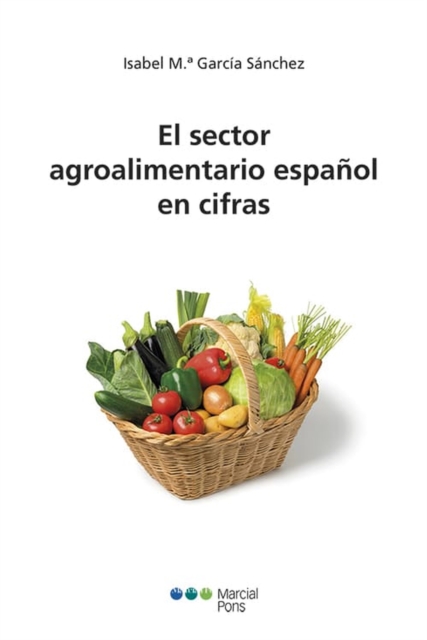
El informe económico titulado El sector agroalimentario español en cifras es un estudio técnico orientado a analizar con profundidad la situación del sector agroalimentario español desde un punto de vista estático y dinámico, en especial, lo relativo a las políticas de financiación e inversión que conforman la estrategia corporativa y determinan el éxito empresarial.
Para la gestión de servicios públicos, y en general para el cumplimiento de muchos de sus cometidos, las Administraciones Públicas se desenvuelven en el espacio que se abre entre su potestad de autoorganización y la opción por la contratación, inexcusablemente sometida al principio de concurrencia en la adjudicación.
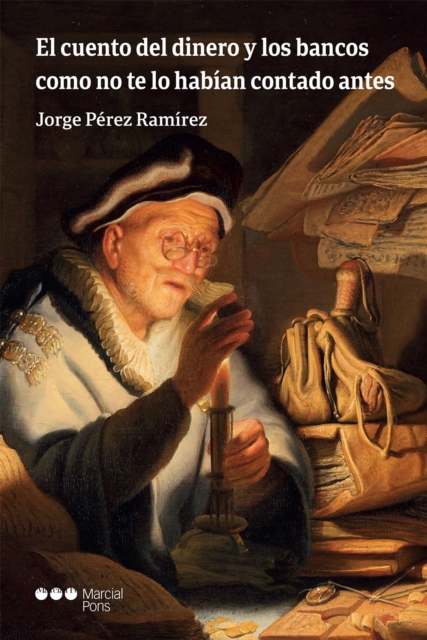
"Fue Henry Ford quien dijo: "Quizás es bueno que la gente de la Nación no conozca ni entienda nuestro sistema bancario y monetario, porque si lo supieran, creo que habría una revolución antes de mañana por la mañana"".
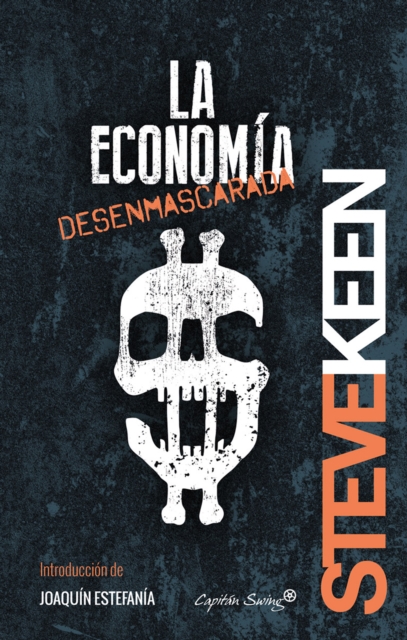
Este estudio pone al descubierto lo que muchos probablemente hemos sospechado alguna vez y unos pocos economistas llevan sabiendo desde hace tiempo: la teoría económica no sólo es difícil de digerir, sino que además está sencillamente equivocada.
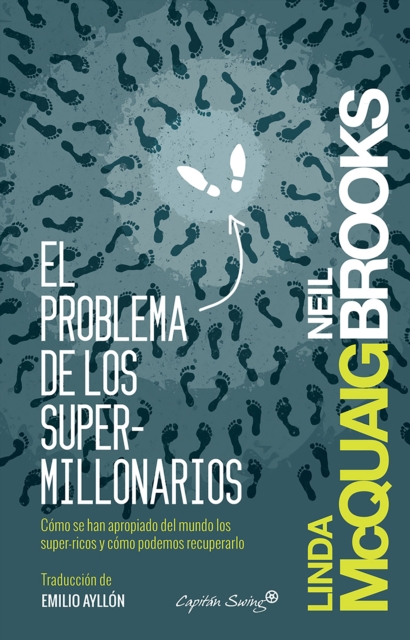
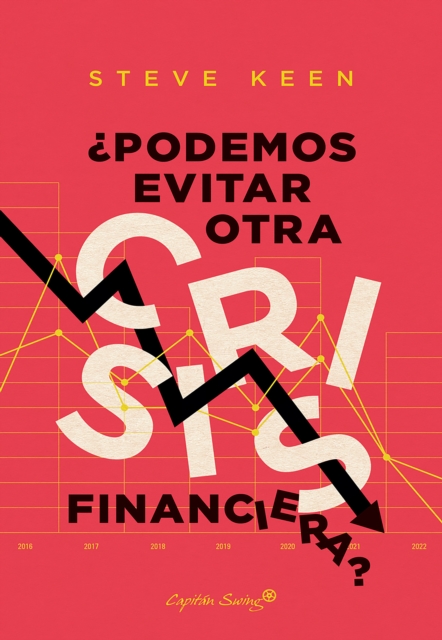
Entre 1980 y 2008 los ingresos del 90% de los estadounidenses crecieron un mísero 1%, mientras que los de los grandes multimillonarios (el 0,01% de la población) crecían un 403%.
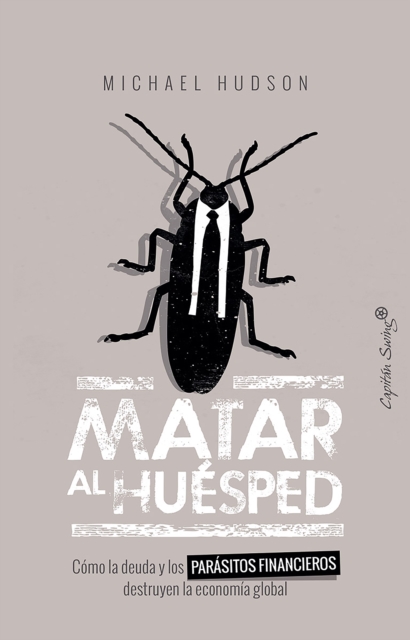
El sector financiero ha logrado representarse a sí mismo como parte de la economía productiva, pero durante siglos la banca fue considerada parasitaria, y la esencia del parasitismo no es solo agotar la nutrición del huésped, sino también embotar su cerebro para que no reconozca que el parásito está allí.
El fenómeno de la colaboración público-privada en la gestión de servicios sociales y asistenciales alude a una realidad extremadamente compleja que no solo afecta a las estructuras, sino que alcanza a los cimientos del Estado social.
La meseta central santacruceña, ubicada en la Patagonia Austral, tiene una extensión de catorce millones de hectáreas y es muy diversa en cuanto a población establecida y actividades económicas.
En 2020, Ecuador cumplió dos décadas desde que el Gobierno de ese entonces anunciara la adopción del dólar estadounidense como moneda de curso legal y sustituyera al sucre.
Es ist ein spektakulärer Fund im Nachlass des Zukunftsforschers Robert Jungk: eine unscheinbare Mappe offenbart ein visionäres Fragment, das Anfang der achtziger Jahre entstand; ungeordnete, skizzenhaft beschriebene Blätter, ein Konvolut aus Entwürfen und Notizen.